Expert Reveals the Real Reasons Behind Egypt's Rising Car Prices
The numbers tell a clear story. Car prices in Egypt have jumped significantly in recent months, leaving many consumers wondering who is really to blame. The picture is more complicated than it first appears.
Dealers' Association Denies Responsibility
Osama Abu El-Magd, an automotive expert and head of Egypt's Car Dealers Association, stepped in to settle the ongoing debate about the role of dealers in these price increases. His statement was decisive: dealers aren't the reason behind rising car prices. Blaming them is a complete misunderstanding of how the market works.
Shipping and Insurance Costs Surge
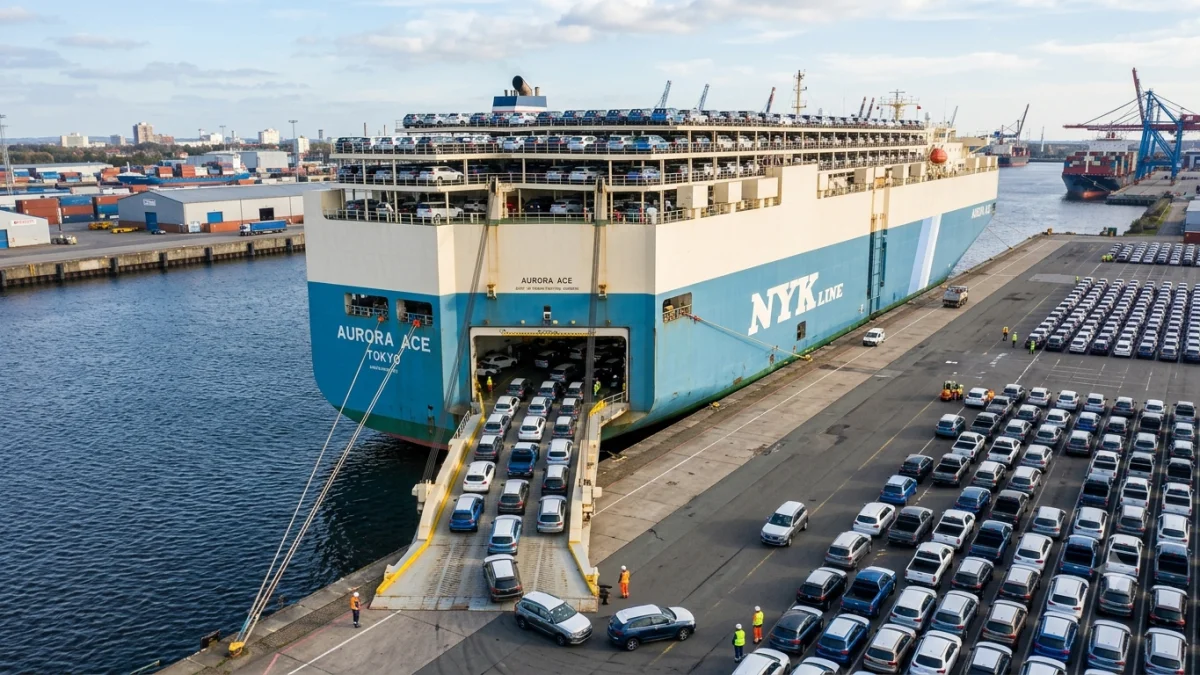
Abu El-Magd attributed the real causes to two main factors. The first is a significant rise in car shipping costs — also known as freight charges — which have more than doubled recently. The second, equally important factor, is soaring marine cargo insurance rates. These costs have been passed directly to the final consumer. The costs went up, and the market felt the pressure.
Energy Volatility Adds to the Burden
The logical explanation for these consecutive increases in freight and insurance costs lies in global energy market volatility. The expert explained that constant changes in oil and energy prices, especially with crude surpassing $100 per barrel during periods of conflict, create a double hit — raising both production costs and shipping expenses. It all comes back to the oil barrel.
Weaker Supply Due to Currency and Government Decisions
The crisis isn't limited to transportation costs. Unstable currency exchange rates in Egypt have also played a powerful role in shrinking the number of available cars. Abu El-Magd noted that various government decisions issued recently have directly reduced inventory levels, adding even more upward pressure on prices. The math is harsh: higher costs plus lower supply equals higher prices.
Egypt's Market Nears 300,000 Cars Annually
Egypt's auto market is far from small. The expert confirmed that the market is split evenly between locally assembled cars and fully imported vehicles, with total annual sales approaching 300,000 units. This massive volume shows just how vulnerable the domestic market is to any shift in global production or shipping costs. The market is moving, but it's moving in one direction — upward.
Related News
View All News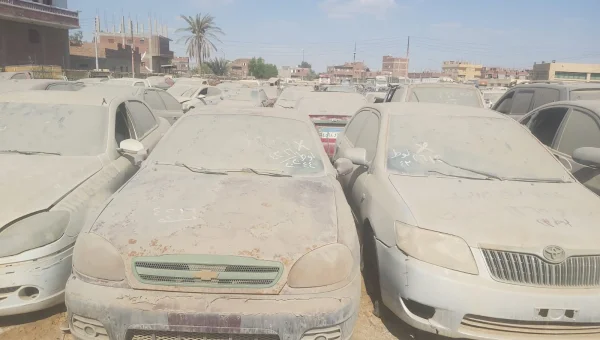
Cairo Airport Customs Auction Sells 28 Used Cars for EGP 11.6 Million
Cairo Airport Customs held a public auction on October 1, 2026, offering 151 lots of neglected cars and goods. Twenty-eight used-car lots sold for EGP 11,637,500, while 11 merchandise lots…
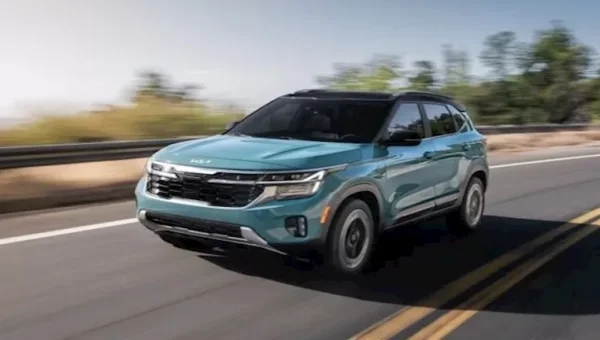
Kia Seltos: The Cheapest Kia in Egypt – Prices and Full Specs
The Kia Seltos is the cheapest zero-km Kia in Egypt for October, with three trims starting at EGP 1,349,900. The base EX uses a 1.5-liter 115 hp engine, while higher…
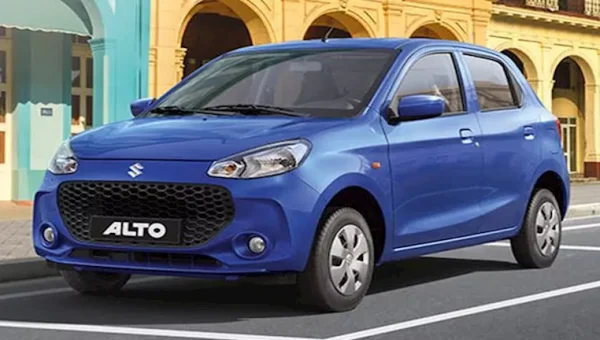
10 Brand-New Cars Under One Million EGP in Egypt This October
Ten brand-new cars priced under one million Egyptian pounds are available in Egypt this October, led by the Suzuki Alto 2027 at 535,000 EGP, the locally assembled Proton Saga 2027…
Fiat Tipo Manual 2025: Sporty Wheels and EGP 810,000 Price Tag in Egypt
Dynamix Auto, Fiat's agent in Egypt, has launched a new batch of the Fiat Tipo manual sedan priced at EGP 810,000, up EGP 40,000 from the previous price. The key…
Renault Taliant Retains Title of Cheapest European Car in Egypt for October
Renault Taliant has retained its title as the cheapest new European car in the Egyptian market for October 2026, with a price below EGP 1 million. The sedan uses a…