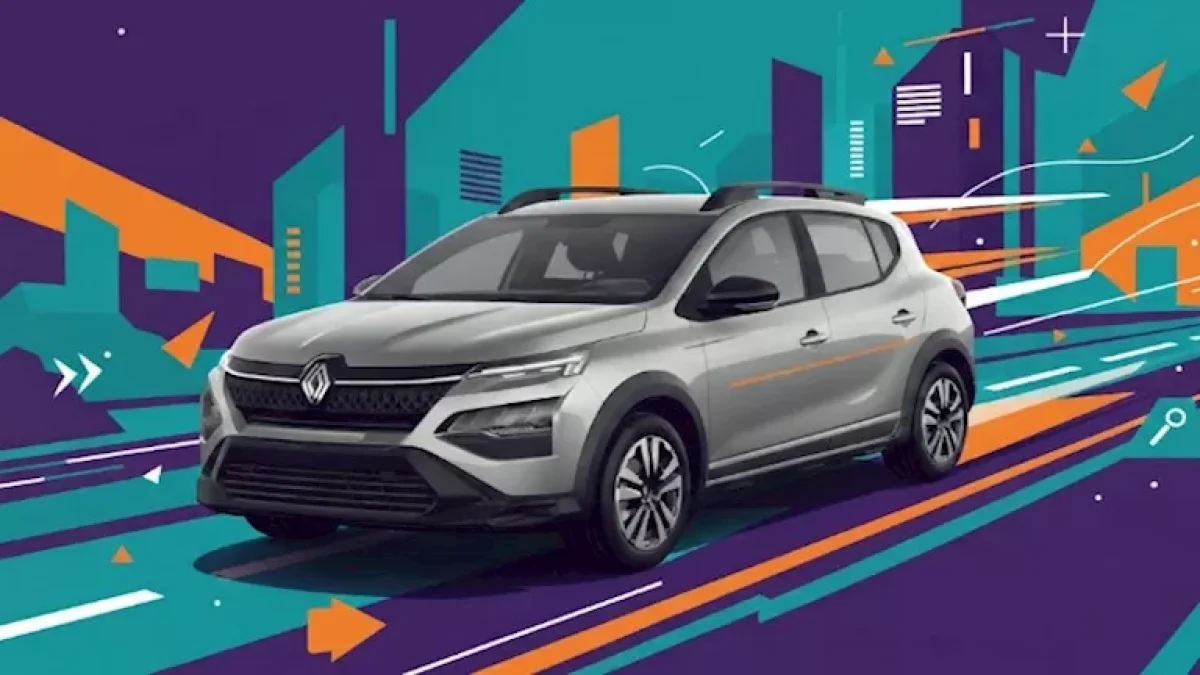
Head-to-Head: Nissan Magnite vs Renault Kiger Battle in Egypt's Compact SUV Market
The engine is nearly identical, but the strategy differs completely. Nissan's locally-assembled Magnite is taking direct aim at the imported Renault Kiger, both compact SUVs powered by a 1.0-liter turbo three-cylinder engine producing exactly 100 horsepower. Egypt's market is watching closely.
Dimensions and Cargo: Kiger Stretches Further
Length tells the first story. The Kiger stretches to 4,120 mm, overshadowing the Magnite's 3,994 mm — a meaningful difference for rear-seat legroom. But the Magnite fights back with width: 1,758 mm versus the Kiger's 1,517 mm, offering more shoulder space up front. Cargo capacity, however, leans heavily in Renault's favor — 410 liters behind the rear seats, against 335 liters in the Nissan. That's a significant gap for families carrying luggage or strollers.
Ground clearance is nearly a dead heat. Both sit at around 205-209 mm, perfectly suited for Egypt's less forgiving roads. The Kiger's wheelbase also stretches an extra 104 mm (2,604 mm vs. 2,500 mm), promising a smoother rear ride. Fuel tank capacity comes in at 50 liters for the French contender, while the Nissan's figure remains officially unannounced. The physical advantages are clear, but numbers alone don't sell cars here.
Powertrain Details: A Thin Edge in Torque
Both SUVs share a 1.0-liter turbocharged three-cylinder engine rated at 100 hp. The real difference emerges in torque delivery: the Magnite churns out 152 Nm between 2,200 and 4,400 rpm, while the Kiger settles for 142 Nm. That extra 10 Nm gives the Nissan a slight theoretical advantage for low-speed city driving and quick getaways from stoplights, though in daily driving the difference is barely perceptible.
The transmission choice adds another layer. Nissan pairs its engine with an X-Tronic CVT, known for smoothness and fuel efficiency, while Renault sticks with a conventional automatic gearbox. Both send power to the front wheels. On Cairo's congested streets or long highway drives, each system offers distinct flavors: the CVT prioritizes seamless acceleration, while the traditional automatic may appeal to drivers who prefer more connected shifts. Neither is decisively superior; it's more about personal preference and driving style.
Pricing and Positioning: Local Assembly vs. Import Status
Price will likely settle this battle. The Magnite benefits from local assembly, offering competitive pricing and easier access to spare parts through Nissan's established Egyptian network. The Kiger arrives fully imported. That naturally pushes its price upward and places it in a slightly higher segment. The Magnite targets budget-conscious SUV buyers seeking a new car with a local warranty, while the Kiger courts those willing to pay more for French engineering and a more spacious interior.
The choice ultimately hinges on what buyers value most. Need a practical, affordable SUV for daily commutes with lower running costs? The Magnite makes a strong case. Prefer extra passenger room, greater cargo space, and a well-established brand reputation? The Kiger steps confidently into that role. There's no universal winner here — just two very capable contenders aiming at slightly different targets within the same expanding market.
Related News
View All News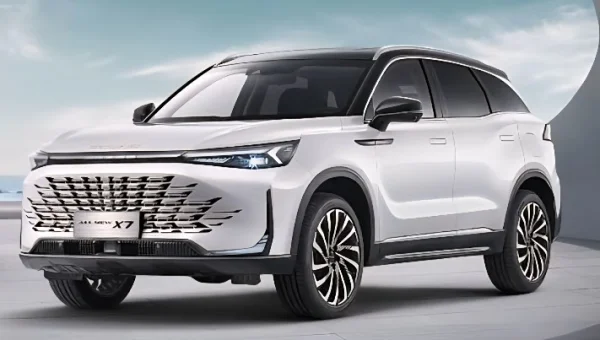
BAIC X7 REEV Set for October 7 Debut in Egypt: Alkan Auto Brings Extended-Range Electric Tech
Alkan Auto, BAIC's local distributor in Egypt, has confirmed October 7 as the official reveal date for the BAIC X7 REEV. The model uses an extended-range electric system where the…
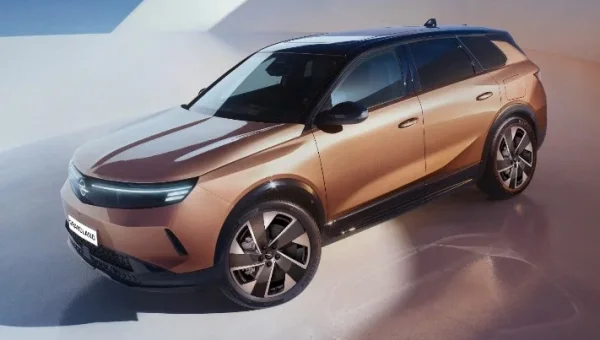
Opel Grandland 2027 Launches in Egypt with Prices Starting at EGP 1.975 Million
Opel has launched the Grandland 2027 in Egypt with two trim levels: the first at EGP 1.975 million and the second at EGP 2.125 million. It packs a 1.6-liter turbo…
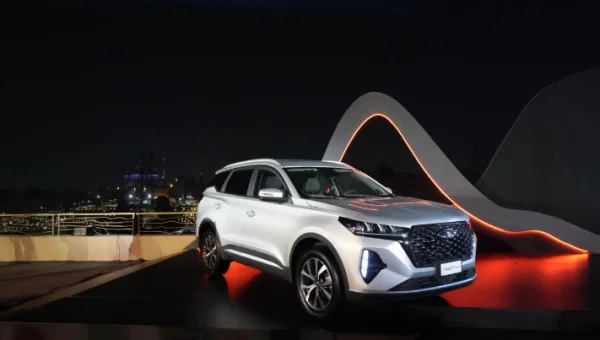
Chery Tiggo 7 Pro 2027 Launches in Egypt with Prices Starting at EGP 1.08 Million
Chery has launched the Tiggo 7 Pro 2027 in the Egyptian market with two trims: the first at EGP 1.08 million and the second at EGP 1.18 million. The SUV…
Jaecoo Sets Official Egypt Launch for October 26 as Pricing Battle Looms
Al-Azab Al-Sewedy Investment Group is preparing to officially launch the Chinese brand Jaecoo in Egypt on October 26. The launch will reveal pricing, trim levels, and specifications for three SUV…
5 Sedans That Rival the New Fiat Tipo After Its EGP 810,000 Launch in Egypt
Dynamics Auto has launched a new manual sedan trim of the Fiat Tipo at EGP 810,000 in Egypt. The trim adds sport alloy wheels instead of hubcaps. It rivals cars…