

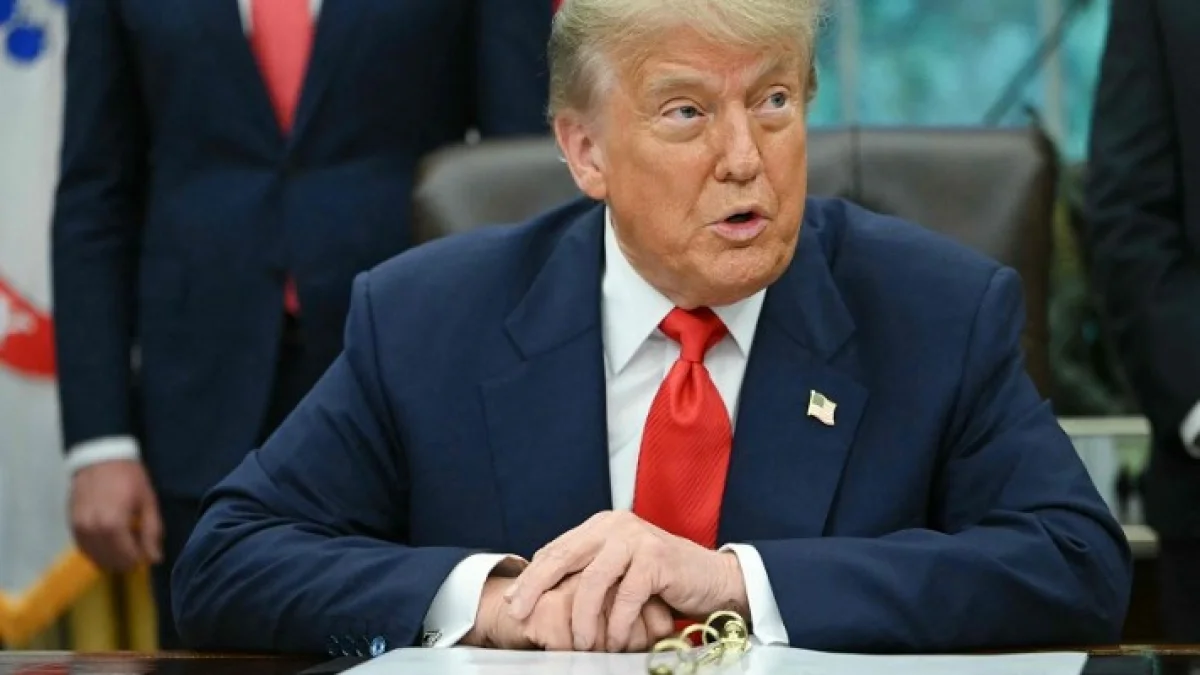
Trump Threatens 50% Tariff on Canadian Cars Starting 2027
President Donald Trump has threatened to impose a 50% tariff on Canadian-built cars, trucks, auto parts, and steel starting January 2027. The threat follows the collapse of trade negotiations between the two countries over the weekend. The move could cause major supply chain disruptions and higher production costs, especially affecting Ford, General Motors, and Stellantis. Vehicles manufactured within the United States would be exempt from the tariffs.
President Donald Trump has threatened to impose a 50% tariff on all Canadian-built cars, trucks, auto parts, and steel, effective January 1, 2027. The move marks the latest escalation in the trade dispute between the two nations, following the collapse of trade negotiations over the weekend.
The Threat and Initial Reactions
Trump announced the threat via a social media post, according to Reuters, confirming that vehicles and parts manufactured inside the United States would be exempt. He stated that "building cars in the U.S. means zero tariffs," while adding that Canada "needs the U.S. more than the U.S. needs it."
The threat follows the failure of both countries to reach a new trade deal on Friday. Canada is now preparing to impose retaliatory tariffs on select American goods, responding to the 50% duties the U.S. administration has already placed on other Canadian products.
Potential Fallout for the Auto Industry and Supply Chains
Auto industry executives believe a 50% tariff on vehicles and parts could trigger widespread disruptions across supply chains, pushing production costs and consumer prices higher given the deep integration between U.S. and Canadian manufacturing. Officials warn the move could prompt Ottawa to launch broad trade retaliation, adding further pressure on carmakers operating in both countries.
The companies most exposed include Ford Motor, General Motors, and Stellantis, all of which depend on cross-border production and supply networks. Neither the White House nor the Canadian government has issued an immediate response, and major automakers have remained silent on the announcement, while industry sources expressed doubts about the feasibility of enforcing such tariffs.
Frequently Asked Questions
3 questions answered
Related News
View All News
Mexican Car Exports Drop 12% in September Under US Tariff Pressure
Mexican car exports dropped 12% in September year-on-year, the largest decline since December 2025, while production fell 15%. Domestic sales rose 8%, helping offset weak external demand. The data comes…
From California to the Streets: How Toyota FT-1 Evolved from Future Toyota Dream to the Real GR Supra
Toyota unveiled the FT-1 concept roughly five years before launching the fifth-generation Supra. Developed at Calty studio in California, the car previewed the sports design language that carried over to…
BYD Launches 600 km Electric Truck Assault on European Giants
BYD is preparing to launch its first heavy-duty truck in Europe with a range of up to 600 kilometers on a single charge, with battery charging from 20% to 80%…

Stellantis Unveils FaSTLane 2030 at Paris: 60 Cars, 8 Brands, and Morocco at the Heart of the Global Event
Stellantis has revealed its new FaSTLane 2030 strategy during its largest-ever participation at the 2026 Paris Motor Show, occupying a pavilion exceeding 5,000 square meters. The group is showcasing over…
European Car Market Rebounds After Sales Slump
Europe's new car market returned to growth in February 2026 with 926,000 registrations, fueled by battery electric vehicles reaching 15.2% share and hybrids hitting 34.5%. Chinese brands like BYD and…

