Toyota Expands Manufacturing in the United States to Tackle Tariff Pressures
The global automotive industry is witnessing a strategic shift as major car manufacturers rethink their production and supply chain strategies amid rapid economic and trade changes. Toyota is leading this transformation by significantly expanding its manufacturing footprint within the United States. This move comes as a direct response to the rising burden of import tariffs imposed by the U.S. administration, which have compelled the Japanese giant to reassess its global supply chain dependencies.
A Strategic Shift in Global Production Maps
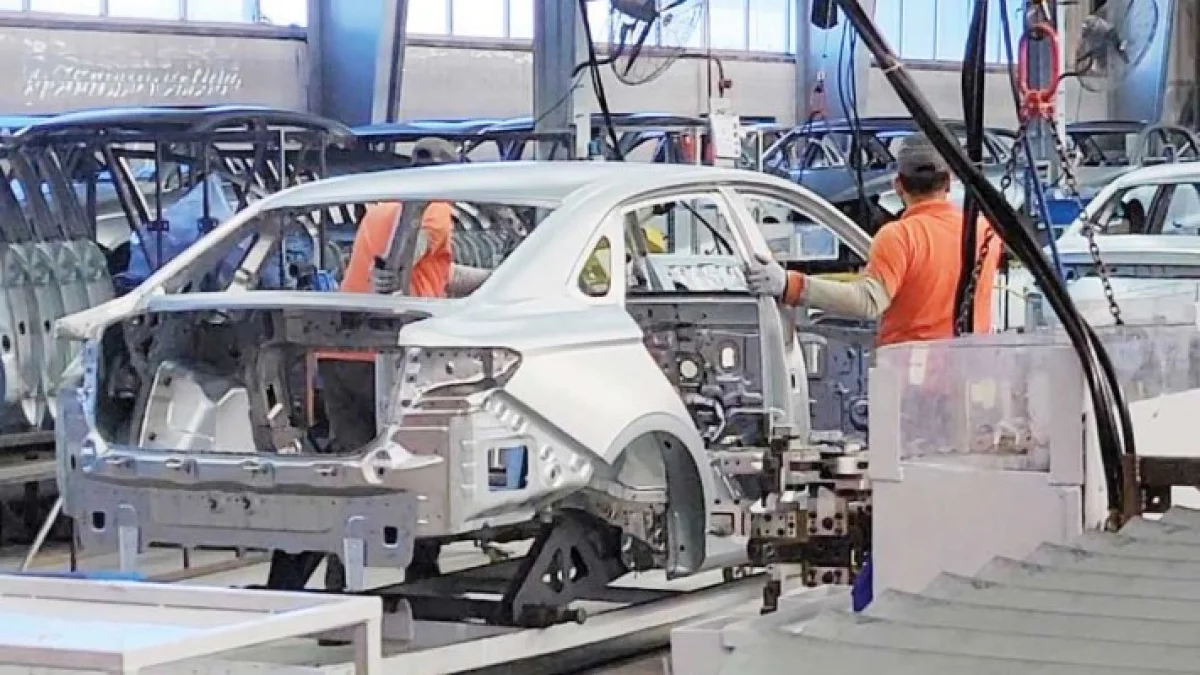
Toyota is currently working to boost production capacity at its existing U.S. plants while also evaluating the construction of new facilities to further localize assembly and manufacturing operations. The expansion aims to reduce reliance on imports from Asian and European markets, which now face higher tariff costs that increase the final price of vehicles and hurt the company's competitiveness in the American market, one of its largest globally. This localization strategy is designed to create a more resilient and cost-efficient production network.
Impact of Tariffs on the Automotive Industry
The imposition of new tariff policies has broadly reshaped the automotive manufacturing map in the United States, as companies can no longer import components and fully assembled vehicles with the same profit margins as before. These rapid economic changes have pushed Toyota to accelerate its industrial localization plans, which is expected to strengthen local supply chains and create more job opportunities within the American manufacturing sector. The shift also signals a longer-term trend toward domestic production as a hedge against trade uncertainties.
Supply Chain Challenges and the Search for Flexibility
Global automakers face significant challenges related to supply chain agility, especially amid ongoing trade tensions between the United States and several trading partners. Toyota's decision to expand U.S.-based manufacturing is part of a broader strategy aimed at building a more stable production system capable of adapting to sudden regulatory and tariff changes. This approach is expected to shorten delivery times and reduce logistical risks associated with international shipping, offering greater operational flexibility in an unpredictable trade environment.
Future Outlook for Local Manufacturing Strategy
Toyota's recent moves suggest that the future of the automotive industry in the U.S. market will increasingly rely on local production rather than imports. As protectionist trade policies continue to escalate, other carmakers are likely to follow the Japanese company's lead in strengthening their manufacturing presence within the United States. This trend will not be limited to Japanese brands but is expected to extend to European and Korean manufacturers seeking to protect their market share amid growing tariff burdens and shifting trade dynamics.
Related News
View All News
LUXEED Prepares for Global Launch on October 21 in Wuhu, China
LUXEED is preparing to hold its global launch event on October 21 in Wuhu, Anhui Province, China, under the theme 'Intelligence, Enlightened.' The event will feature the world premiere of…

Avatr CONCEPT T09 with 1000+ HP Challenges Maybach and Rolls-Royce at Paris Show
Avatr unveils the CONCEPT T09 at the 2026 Paris Motor Show, a large luxury SUV with over 1000 horsepower and massive dimensions (5285 mm length). It features a hybrid powertrain…

Morocco Produces 700,000 Cars Annually, Surpassing Italy with $16 Billion in Export Revenue
Morocco has solidified its position as an African manufacturing power, producing 700,000 vehicles annually and generating over $16 billion in automotive export revenue, outpacing Italy. Industrial activity spans 150 zones…

Opel CEO: Adam Small Car Out of Plans Until 2030 Due to EU Regulations
Opel CEO Florian Huettl has confirmed the Adam small car is not in the company's product plans until 2030 due to stringent European regulatory requirements. Speaking at the 2026 Paris…
Tesla Roadster Jumps Mid-Air with SpaceX-Inspired Rocket Technology
Tesla has revealed the next-generation Roadster in a Texas demonstration where the car jumped into the air and rotated before landing, using thrusters inspired by SpaceX rockets. The system relies…