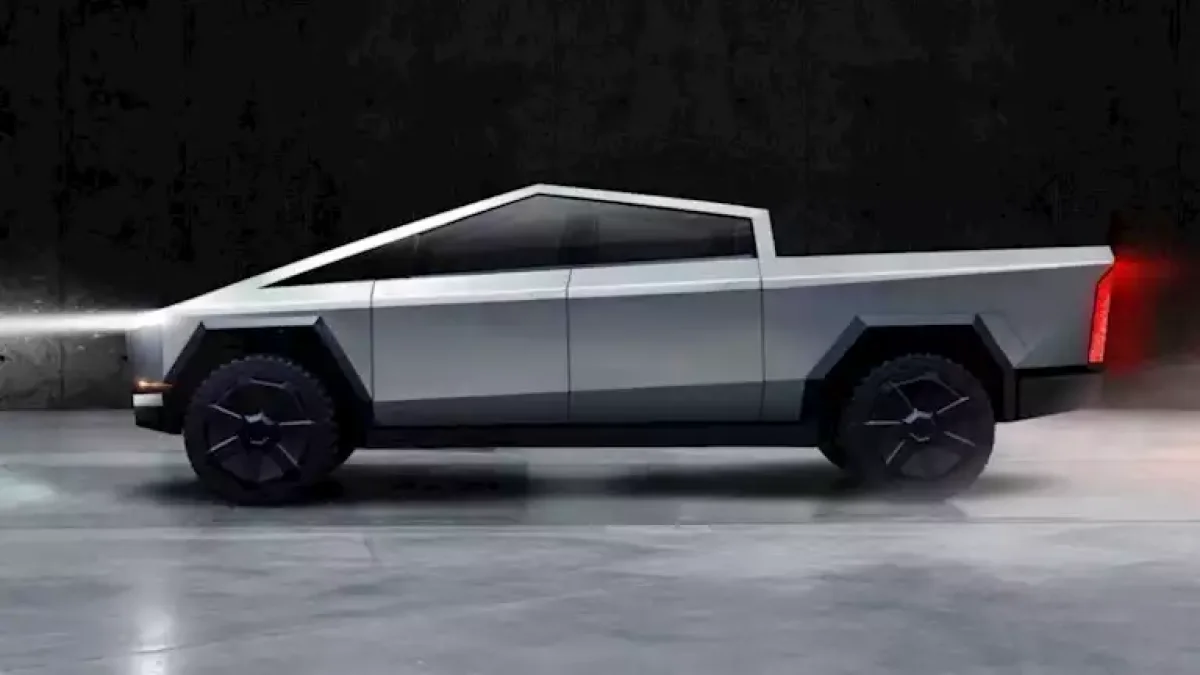
Tesla to Halt Cybertruck Production by Mid-2027, Refund Reservation Holders
Elon Musk has confirmed Tesla will stop Cybertruck production at its Texas plant by mid-2027 and refund customers who won't receive their vehicles. The decision stems from manufacturing complexity and resource demands rather than operating losses, as Tesla redirects capacity toward Cybercab robotaxis. US Cybertruck sales fell 48% in 2025 to 20,237 units, down from 38,965 in 2024.
Tesla will stop building the Cybertruck at its Texas plant by mid-2027, CEO Elon Musk has confirmed, with refunds going out to a large number of reservation holders who won't receive their trucks before the line shuts down. The announcement lands as a strategic pivot, not a quiet retreat.
Why Tesla is walking away from the Cybertruck
The reason isn't operating losses. Musk was direct: the complexity of building the Cybertruck and the resources it consumes simply don't deliver the best return compared with what the company can achieve by building more Cybercab robotaxis. Tesla intends to repurpose the Texas production space entirely toward self-driving taxis, which sit at the heart of its future strategy. The decision is about math, not failure.
Sales fell far short of the hype
Rewind to November 2019. Musk promised annual sales of roughly 250,000 Cybertrucks. Reality told a different story. US Cybertruck sales dropped 48% in 2025 to just 20,237 units, down from 38,965 in 2024, according to Kelley Blue Book data cited by Reuters. The gap between the promise and the showroom floor made the decision unavoidable.
Remember the million-plus reservations touted at launch? They never converted into real sales at the needed pace. A high sticker price, fierce competition in the electric truck segment, and use restrictions in some markets all weighed on the Cybertruck's commercial performance. Musk moved before the problem grew into a bigger financial drag. That's the pattern here.
What the Cybertruck shutdown means for the market
In the short term, reservation holders getting refunds will feel some relief — but it's not a win. Longer term, the move reveals a broader shift inside Tesla toward fully autonomous vehicles. The company is betting that driverless robotaxis, not luxury trucks with polarizing design, represent the future. That bet could reshape Tesla's priorities for years.
Arab markets, Egypt included, never received the Cybertruck officially, so the local sales impact is limited. Yet the signal matters for importers and EV enthusiasts across the region: Tesla is reordering its lineup. Products that don't pull their weight can be cut even if they dominated headlines. The Cybertruck saga is a reminder that the electric vehicle industry is still experimental — and commercial success doesn't always follow media noise.
Frequently Asked Questions
3 questions answered
Related News
View All News
BYD U9 Xtreme Sets Guinness Record at 503.17 km/h — The World's Fastest Production EV
BYD's U9 Xtreme recorded a top speed of 503.17 km/h on Abu Dhabi's Sheikh Khalifa bin Zayed International Road, entering the Guinness World Records as the fastest production electric vehicle.…

Egypt and India Explore Industrial Partnerships in Electric Vehicles, Aim to Boost Trade to $12 Billion
Egyptian Foreign Minister Badr Abdelatty met with Indian Commerce and Industry Minister Piyush Goyal to explore industrial partnerships in electric vehicles and feeder industries. The two sides reviewed Egypt's competitive…
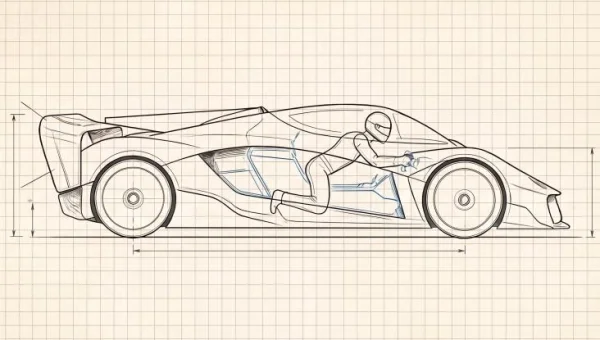
Sanrivatti One Breaks Driving Rules: 800 HP and a Face-Down Driving Position
Dutch startup Sanrivatti has unveiled its first supercar project, the Sanrivatti One, powered by a ten-cylinder engine producing around 800 horsepower. The car features a radical 'Apex Position' that places…
Europe Threatens Morocco's Automotive Crown: Why Renault and Stellantis Fear 'Made in Europe' Rules
Morocco's Industry Minister Ryad Mezzour warned that excluding his country from 'Made in Europe' rules constitutes a hostile act. The dispute revolves around how Brussels defines European products and the…
New Car Prices in the US Break Records as Average Tops $51,000 for the First Time
The average transaction price for a new vehicle in the US reached a record $51,109 in October 2026, up $649 from September and 2.1% year-over-year. Mid-size SUVs and full-size trucks…