Tariffs Failed to Stop the Chinese Dragon: Carmakers Invade Europe with Hybrids and Local Factories
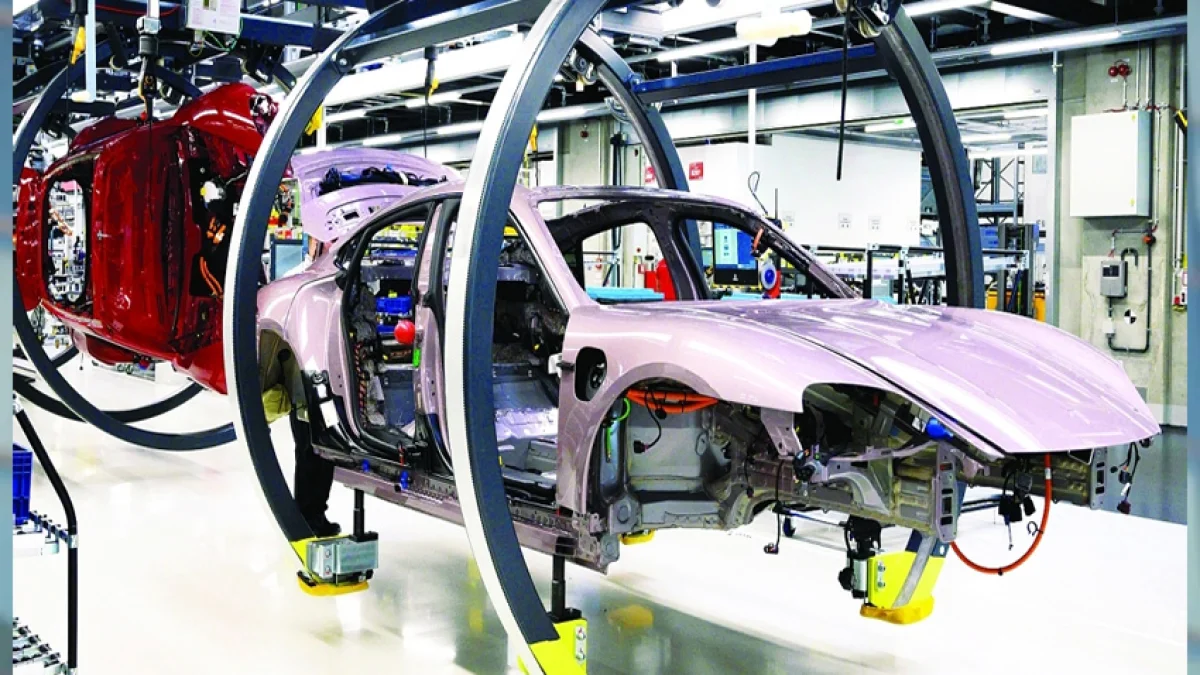
A recent study by the European Federation for Transport and Environment (T&E) has revealed that EU tariffs on electric vehicles imported from China have failed to halt the influx of Chinese cars into European markets. While Western brands have managed to reduce their reliance on Chinese production, Chinese manufacturers have found new ways to strengthen their presence on the continent, most notably through a massive expansion in plug-in hybrid production and the establishment of local factories.
Declining Share of Western EVs Made in China
According to the study, which relied on production and sales data from Global Data, the share of pure electric vehicles made in China by Western brands such as BMW, Dacia, Volvo, Smart, and Tesla dropped from 38% in 2024 to just 23% in the first quarter of this year. For instance, the market share of Tesla Model 3 vehicles manufactured in China within the overall European EV market fell from 23% to 19% during the same period, reflecting a significant shift in the production strategies of these Western companies.
Chinese Giants Gain Strength: BYD and Geely Lead the Way
In contrast, the tariffs imposed in 2024 did not significantly curb imports of electric vehicles produced by Chinese companies. The study attributed this to the massive production overcapacity at companies like BYD Song Plus and Geely, which managed to substantially increase their exports to Europe despite the new restrictions. SAIC Motor was a notable exception, as its sales in Europe declined sharply. According to the EU, this is because SAIC faces tariffs nearly double those imposed on BYD or Geely, following an EU investigation that found SAIC benefits from government subsidies to a greater degree than its competitors.
Strategic Shift Towards Plug-In Hybrids and Local Production
Chinese companies have not limited their strategy to direct exports; they have moved to a more advanced phase by increasing their reliance on plug-in hybrid electric vehicles (PHEVs). The study highlighted that Chinese brands now hold a 13% share of the plug-in hybrid market in the European Union, up from just 3% in 2024, indicating a massive leap in this vital sector. Furthermore, these companies have begun relocating a larger portion of their EV production to Europe itself. Since the EU initiated its anti-subsidy investigation in 2023, plans for ten new production plants have been announced across the continent, allowing Chinese brands to bypass tariffs and strengthen their supply chains.
EU Policy Between a Rock and a Hard Place
These developments show that while the EU's protectionist policies have been partially successful in reducing Western brands' dependence on Chinese production, they have not prevented Chinese companies from expanding through smarter, more adaptable methods. The higher tariffs on companies like SAIC, based on an investigation concluding they benefit from greater state support, have driven Chinese manufacturers to innovate their strategies. By focusing on hybrids and establishing local manufacturing bases within Europe, Chinese automakers are reshaping the competitive landscape. The battle for electric and hybrid vehicles in Europe has clearly entered a new, more complex phase of rivalry.
Related News
View All News
LUXEED Prepares for Global Launch on October 21 in Wuhu, China
LUXEED is preparing to hold its global launch event on October 21 in Wuhu, Anhui Province, China, under the theme 'Intelligence, Enlightened.' The event will feature the world premiere of…

Avatr CONCEPT T09 with 1000+ HP Challenges Maybach and Rolls-Royce at Paris Show
Avatr unveils the CONCEPT T09 at the 2026 Paris Motor Show, a large luxury SUV with over 1000 horsepower and massive dimensions (5285 mm length). It features a hybrid powertrain…

Morocco Produces 700,000 Cars Annually, Surpassing Italy with $16 Billion in Export Revenue
Morocco has solidified its position as an African manufacturing power, producing 700,000 vehicles annually and generating over $16 billion in automotive export revenue, outpacing Italy. Industrial activity spans 150 zones…

Opel CEO: Adam Small Car Out of Plans Until 2030 Due to EU Regulations
Opel CEO Florian Huettl has confirmed the Adam small car is not in the company's product plans until 2030 due to stringent European regulatory requirements. Speaking at the 2026 Paris…
Tesla Roadster Jumps Mid-Air with SpaceX-Inspired Rocket Technology
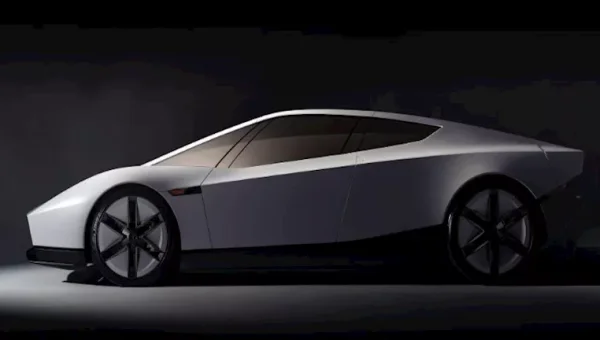
Tesla has revealed the next-generation Roadster in a Texas demonstration where the car jumped into the air and rotated before landing, using thrusters inspired by SpaceX rockets. The system relies…