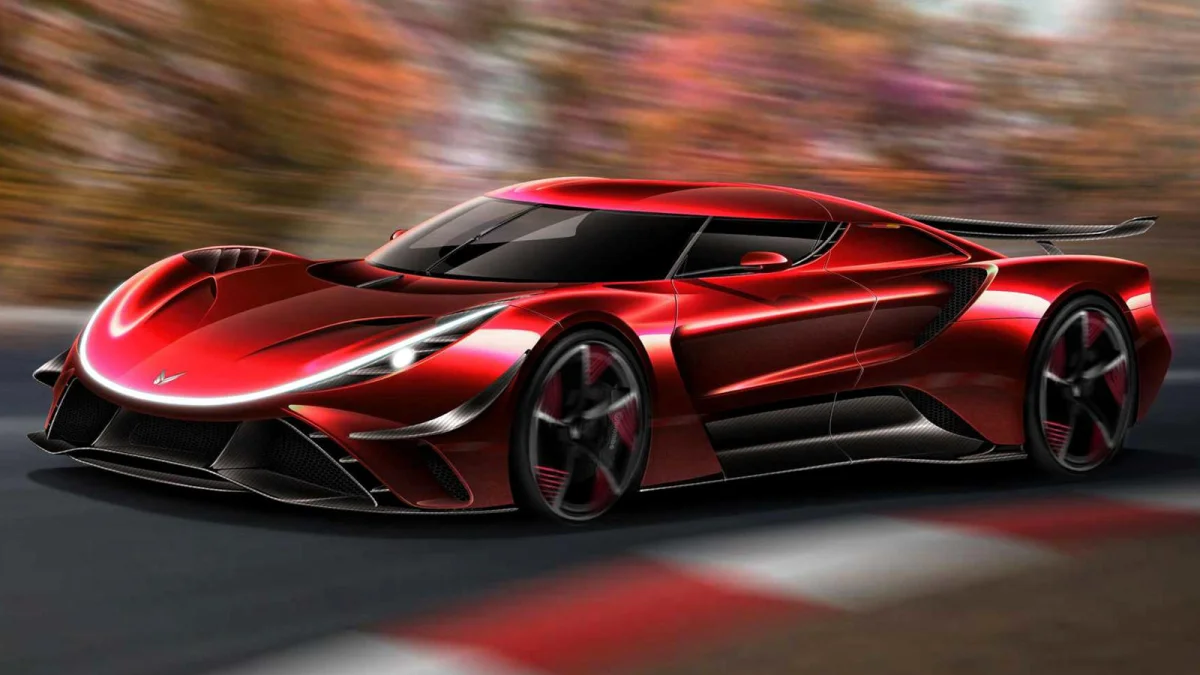
From Virtual Simulations to Frozen Roads: Inside a Supercar's Journey Before Delivery
A supercar's development is a grueling journey comprising virtual simulation, closed-track testing, and extreme weather validation. For the 1,800-horsepower Bugatti Tourbillon, this included handling tests in specialist rigs alongside dyno work for its V16 engine, followed by dynamic assessments on tracks like Ferrari's e-Vortex. The hardest phase occurs in northern Sweden, where sub-zero temperatures down to -30°C test the hybrid system's stability on ice. This rigorous process ensures that by the time a customer takes delivery, the car has been proven reliable under the most demanding conditions on Earth.
A 1,800-horsepower machine doesn't just roll out of the factory ready for perfection. Supercars like Lamborghini or Bugatti undergo brutal testing regimes before a single customer takes the wheel. That journey includes freezing temperatures and demanding tracks, all in pursuit of a top speed of 320 km/h. It's a process far more grueling than anything the car will experience in its lifetime on public roads.
Virtual Beginnings: Simulation Precedes Asphalt
Long before the first physical prototype hits the pavement, a significant portion of engineering scrutiny happens on a computer screen. Advanced software predicts chassis behavior, suspension response, and aerodynamic efficiency, allowing engineers to discard flawed concepts early. During the development of the VW Group's Tourbillon, for instance, driving dynamics tests began in a fully simulated environment using motion-platform rigs, running in parallel with separate bench testing of the new V16 engine. This digital phase doesn't replace real-world validation; it sharpens the focus for when the actual track work begins. The goal is to arrive at the testing ground with only the most promising engineering solutions remaining.
Track Days: Controlled Repeatability
Once functional prototypes are assembled, the scene shifts to closed circuits where a single scenario can be repeated dozens of times under identical conditions. Ferrari utilizes its new 'e-Vortex' facility near Fiorano, a track designed with varying banking angles, curves, and specialized road surfaces. This setup allows engineers to gauge performance, ride comfort. Dynamic behavior with a level of repeatability impossible on public streets. It's here where hidden flaws — those that might surface only after years of ownership — are hunted down and eliminated before the car ever leaves the factory gates.
The Ultimate Challenge: 1,800 HP on Ice
The testing calendar doesn't stop at dry asphalt or blistering heat. For cars like the Porsche 918 Spyder or the Bugatti Tourbillon, winter validation is just as critical. Prototypes of the Tourbillon were pushed to their limits in northern Sweden, where ambient temperatures plummet to around negative 30 degrees Celsius. The objective is to scrutinize the hybrid powertrain and chassis electronics to ensure absolute stability on low-grip surfaces. The data gathered from driving an 1800-horsepower beast over ice is invaluable, feeding updates to traction control, all-wheel-drive torque vectoring, and stability programs.
Ferrari and Bugatti treat these severe conditions as a rite of passage. The endurance runs over poor roads, stop-and-go traffic simulations. High-altitude passes aren't just boxes to check; they are intense fact-finding missions that ensure reliability and safety. When a customer finally receives the keys, they aren't just getting a car that's fast in a straight line. They are receiving a machine that has survived a relentless, multi-continent test cycle designed to expose and fix every possible weakness. This comprehensive approach is the ultimate divide between a genuine hypercar and a mere showpiece, proving that peak performance is only valid if it can endure the extremes of the real world.
Frequently Asked Questions
2 questions answered
Related News
View All News
"Rox" Begins Producing Rox Adamas in Abu Dhabi with "Made in UAE" Label
Rox has started local production of Rox Adamas vehicles in Abu Dhabi, with the first 3 units rolling off the line bearing the 'Made in UAE' label. The move follows…
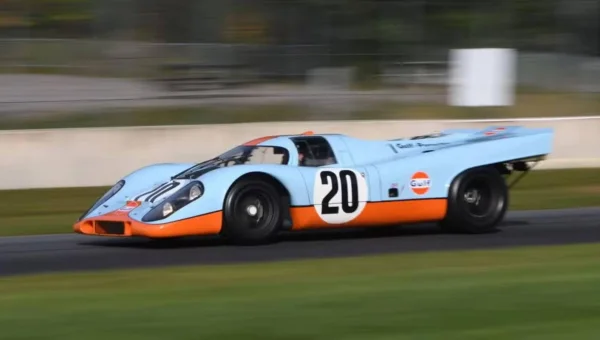
Icons of Speed and Glory: The Story of the Most Expensive Porsches Ever Auctioned
On the anniversary of Ferdinand Porsche's birth, the most expensive Porsches ever sold at auction are back in the spotlight. The 1970 Porsche 917K leads with $14.08 million, followed by…
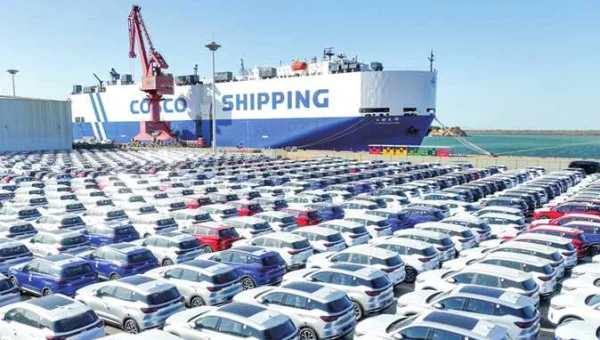
Trump's Shocking Plan: Chinese EV Invasion of US — Only with American Workers
US President Donald Trump has expressed openness to allowing Chinese electric vehicle companies like BYD and Geely to manufacture inside the United States, provided they hire American workers. His remarks…
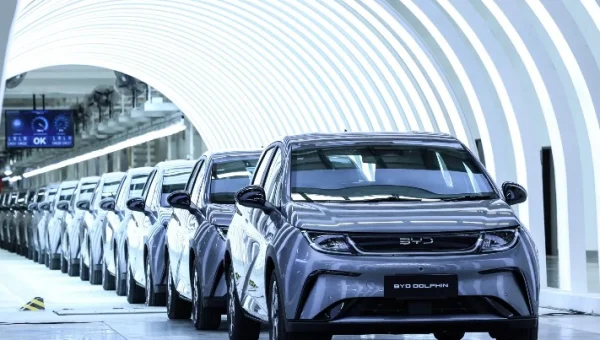
China Sets New Record: New Energy Vehicle Production Exceeds 1.65 Million Units in August
China's new energy vehicle production and sales exceeded 1.65 million and 1.64 million units respectively in August, up 20% year-on-year, according to the China Association of Automobile Manufacturers. NEVs captured…
Software Glitch Hides Tire Pressure Drop: Jeep Recalls Over 200,000 Vehicles
Chrysler, part of Stellantis, is recalling 201,976 Jeep vehicles in the United States due to a software glitch in the radio frequency module that may prevent the tire pressure monitoring…