Paris Motor Show 2026 to Debate the Software-Defined Vehicle Revolution
The Paris International Motor Show 2026 is hosting four specialized sessions on October 13 covering artificial intelligence, autonomous driving, and software-defined vehicles, with participation from Google and Boston Consulting Group. The discussion focuses on the car's transformation into an updatable digital platform after purchase, enabling new functions without changing mechanical components. This shift raises questions about long-term software support and whether consumers will accept paid subscription models for digital services. The biggest challenge lies in creating a business model that profits manufacturers without burdening customers.
The Paris International Motor Show 2026 is preparing to host critical discussions on the future of the automotive industry, with four specialized sessions on October 13 covering artificial intelligence, autonomous driving, and software-defined vehicles, featuring participation from Google and Boston Consulting Group. These sessions arrive at a time when the car is transforming from a mechanical transport tool into a smart device on wheels. The shift isn't just technical. It touches the core of the driving experience and the very value of the vehicle itself.
What Are Software-Defined Vehicles SDV?
The concept of software-defined vehicles, known as SDV, represents one of the most significant anticipated transformations in the industry. This concept allows a large portion of the vehicle's digital functions to be separated from traditional mechanical components, enabling development and addition of new services without replacing the entire car. The key question: will software support become the decisive factor in buying a used car? In the near future, buyers may look for a vehicle that still receives software updates, not just one with a healthy engine and low mileage. This shift could completely redefine secondary market prices.
Updates That Never Stop After Purchase
Vehicle development no longer ends when the car leaves the factory. New functions can be added and electronic system performance improved through software updates. These updates include enhancements to entertainment, navigation. Energy management systems, or development of driver assistance functions based on the vehicle's capabilities. Consumers may get a completely different experience two years after purchasing their car. Not because the engine was replaced, but simply through an operating system update. Does this mean an older car can become newer without entering a mechanic's workshop? The short answer is yes, but only if the manufacturer continues software support.
Economic Challenges Force Themselves into the Conversation
Beyond technical opportunities, manufacturers face enormous economic challenges. Developing automotive software requires continuous investment and specialized engineering teams. Some companies may shift to a paid subscription model for advanced digital services. This raises a direct question: will consumers in Egypt accept paying a monthly subscription to activate features already present in their car? Global experiences indicate clear resistance to this model, yet companies are pushing forward regardless. The debate at the Paris show will address this difficult equation between profitability and customer expectations.
What Does This Mean for the Egyptian Car Market?
On Egyptian roads, software-defined vehicles remain rare. But dealers have begun preparing for the next phase. Modern Toyota and Hyundai models already come with updatable operating systems, though their functions are currently limited. Over time, this will shift from an added feature to a basic requirement. Vehicles that don't receive updates may lose value faster. This means Egyptian buyers need to consider the lifespan of software support before purchasing any new car.
The Bottom Line Before October 13
The Paris Motor Show 2026 places the industry at a genuine crossroads. Artificial intelligence, autonomous driving, and software will define the competitive landscape over the next decade. But the biggest challenge isn't technical. It lies in building a business model that generates profits for companies without making customers feel they are paying twice for the same car. The October 13 sessions will paint part of the picture, but the final answers will emerge on the roads, where drivers themselves judge this revolution.
Frequently Asked Questions
3 questions answered
Related News
View All News
China Cuts Hybrid Car Exports to EU by Half in Landmark Trade Deal
EU Trade Commissioner Maroš Šefčovič announced that the European Union and China have agreed to cut China's hybrid and plug-in hybrid vehicle exports to the EU by half. The deal…
Toyota Crisis Deepens: Hilux and Tacoma Trucks Face New Recall Over Engine Defect
Toyota has announced a recall of over 100,000 Hilux and Tacoma trucks from the 2022 and 2023 model years due to a high-pressure fuel pump defect that can cause sudden…
Porsche Deliveries Drop 16% in 9 Months as China and 718 Halt Bite
Porsche delivered 178,532 vehicles globally in the first nine months of 2026, a 16% drop from the previous year. China fell 33% to 21,493 units, while the end of 718…
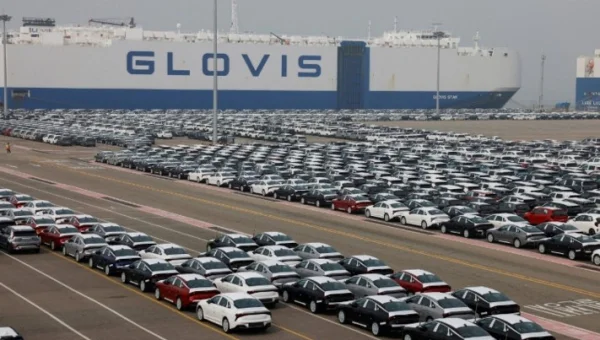
Mexican Car Exports Drop 12% in September Under US Tariff Pressure
Mexican car exports dropped 12% in September year-on-year, the largest decline since December 2025, while production fell 15%. Domestic sales rose 8%, helping offset weak external demand. The data comes…
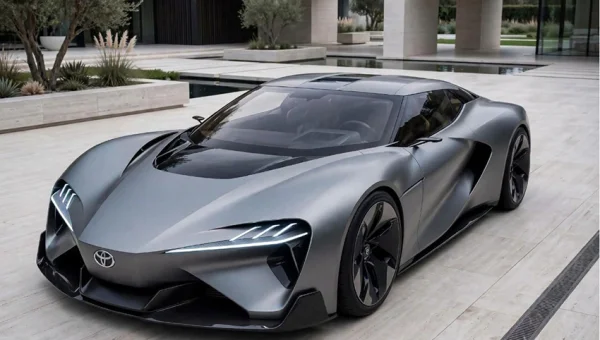
From California to the Streets: How Toyota FT-1 Evolved from Future Toyota Dream to the Real GR Supra
Toyota unveiled the FT-1 concept roughly five years before launching the fifth-generation Supra. Developed at Calty studio in California, the car previewed the sports design language that carried over to…