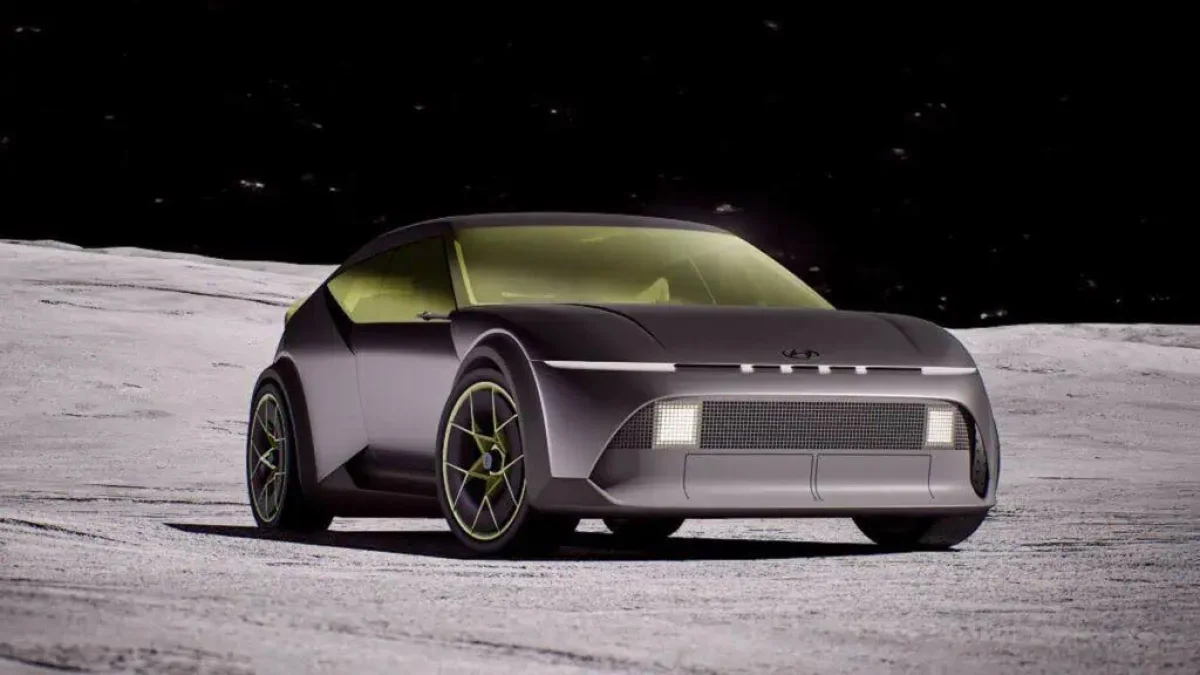
Cars You Won't Buy Now.. But They Reveal Your Car in 5 Years at Paris Motor Show
Stellantis announced it will display 9 concept cars at the Paris Motor Show 2026, bringing concept vehicles back to the spotlight. Alfa Romeo unveils a model expressing its future sporty identity, Peugeot showcases Polygon and Hypersquare concepts, and Volkswagen tests its Mission Efficiency project, achieving 6.89 kWh per 100 km. These ideas could later appear in ordinary family cars, making the show a real indicator of what 2030 cars will look like.
Nine concept cars. That's what Stellantis alone announced it will display at the Paris Motor Show 2026, bringing concept vehicles back to the spotlight in a big way. These cars, which visitors often pass by saying 'they'll never hit the market like this,' carry ideas that will eventually reach production models.
Alfa Romeo and Peugeot: Sporty Identity and New Tech
Alfa Romeo is preparing to unveil a new concept in Paris that expresses the brand's future direction in terms of design and sporty identity, while Peugeot showcases concepts like Polygon and Hypersquare that test innovative solutions for the driving interface. These cars aren't always built for sale, but to test ideas that will later reach production vehicles. The mistake is thinking they don't matter.
Volkswagen and Energy Efficiency: Can a Smaller Battery Replace a Bigger One?
Volkswagen is using its Mission Efficiency project to test a completely different idea: can you increase a car's range by reducing consumption instead of installing a larger battery? The car achieved an average consumption of 6.89 kWh per 100 kilometers, thanks to a highly aerodynamic design, low drag coefficient, and reduced weight. The figure is surprising. This approach could change the electric vehicle equation in the future, as companies focus on efficiency rather than increasing battery capacity. That adds weight and cost.
This car may not reach showrooms as it's, but some of its ideas could later appear in an ordinary family car: lighter doors, more efficient wheels, a smaller battery, a body with less air resistance, or a better energy recovery system. And here, concept cars become more exciting than just strange shapes, because they allow us to see the decisions companies are considering before they turn into products. From this perspective, some of the most important cars at the Paris Motor Show 2026 may not be the ones we'll buy next year, but the ones that will determine why a 2030 car will look different from today's car.
Frequently Asked Questions
3 questions answered
Related News
View All News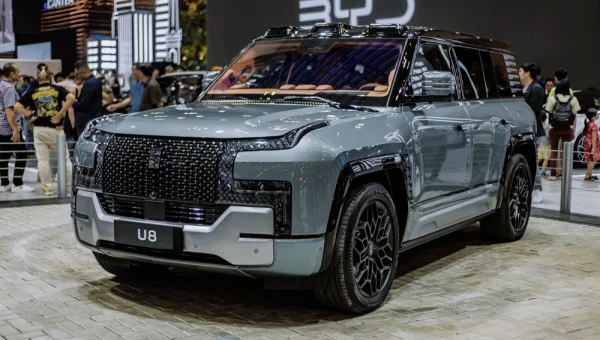
China's Hybrid Onslaught Reshapes Europe: 12% Record Share Led by BYD
Chinese brands captured a record 12% share of the European car market last month, led by BYD. The surge was fueled by strong demand for hybrid vehicles that currently avoid…
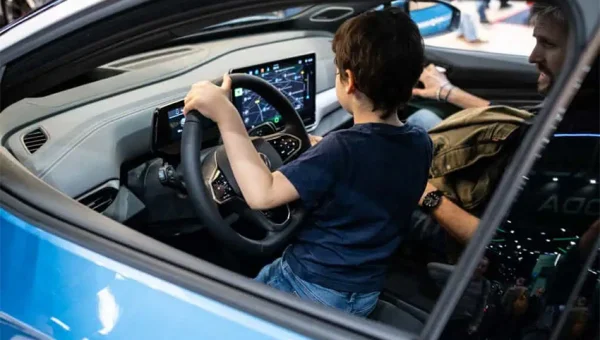
China No Longer a Guest in Europe: 'Alliances of Interest' Reshape Paris 2026 Auto Show
The Paris 2026 Auto Show marked a radical shift in the global auto industry, as Chinese brands are no longer mere guests but strategic partners for European automakers. The prime…
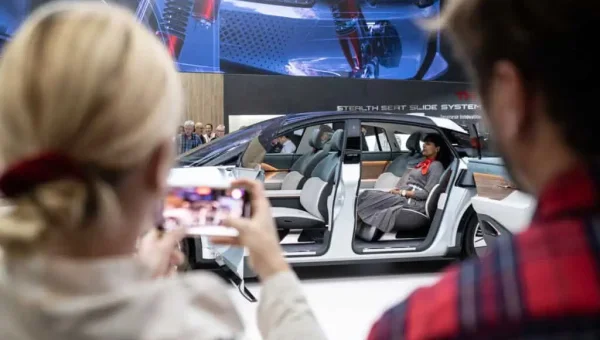
You Can Buy a Car From Your Phone—So Why Do Millions Still Visit Auto Shows? Paris 2026 Answers
A study commissioned for the Paris Motor Show 2026 found that 91% of enthusiasts see auto shows as a place to discover innovations and 84% want to see new cars…
Nissan Unveils Tekton in Johannesburg, Announces Return to Profitability
Nissan has unveiled its all-new Tekton model at a global event in Johannesburg, announcing a return to operating profitability with 80 billion yen in Q1 2026 profits. The model was…
Europe Weighs 15% Cap on Chinese Hybrid Imports — A Repeat of the Japan Playbook?
The European Commission is considering a 15% market cap on plug-in hybrid imports from China as an alternative to additional tariffs. The move echoes Japan's 1986 export agreement but is…