Morocco Challenges Auto Giants: 700,000 Vehicles Annually and Revenue Surpassing Italy
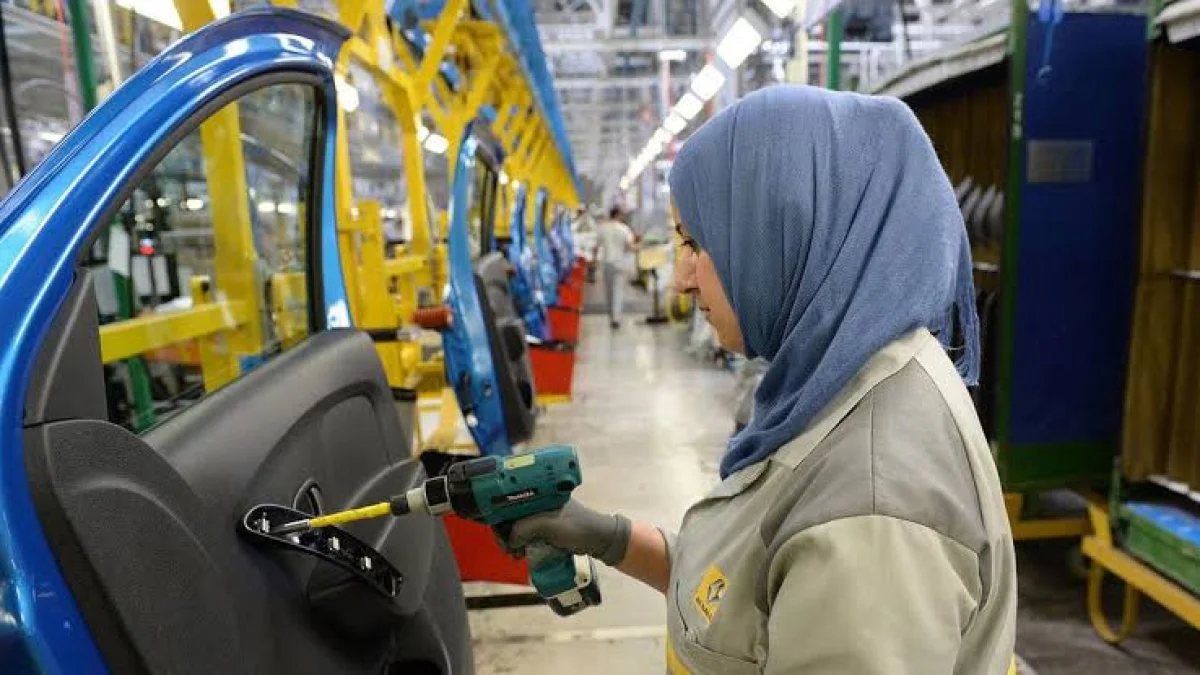
Morocco has become a global automotive competitor with annual output approaching 700,000 vehicles and export revenue exceeding $16 billion, ahead of Italy. Its industrial ecosystem includes 150 industrial zones and over 12,000 facilities employing nearly two million people. Moroccan industrial exports reached $40 billion in 2025 across 180 countries, while the total industrial sector approaches $90 billion.
Morocco is no longer just a regional production hub. Annual output is approaching 700,000 vehicles, and export revenue has exceeded $16 billion, putting the kingdom ahead of Italy in a clear signal that it has become a global competitor in the automotive industry. The numbers speak.
A massive industrial ecosystem powers Moroccan cars
150 industrial zones. More than 12,000 facilities. Two million people employed in the automotive sector and related production activities. These figures reveal the scale of the ecosystem the kingdom has built in recent years — the same ecosystem that has made cars one of the strongest drivers of the Moroccan economy and capable of attracting growing investment beyond the African continent.
Exports exceed $16 billion.. Italy in the rearview mirror
$16 billion. That is the revenue from Moroccan car exports, a figure that places the kingdom ahead of Italy, one of Europe's oldest automotive markets. The advance is no accident. Morocco has built an integrated industrial base spanning assembly plants, suppliers, and vocational training institutions, making it a preferred destination for major global companies seeking competitive costs and proximity to the European market.
The broader industrial sector approaches $90 billion
$40 billion. That is the volume of Moroccan industrial exports in 2025, with products reaching 180 countries worldwide. The total industrial sector is approaching $90 billion, and industry has become a cornerstone of export growth and the Moroccan economy's ability to compete internationally. The figures go beyond the car market alone.
What does this mean for the region? Morocco has proven that building a competitive industrial base in the automotive industry isn't reserved for major powers, and that investing in industrial zones, infrastructure, and vocational training can turn a country into a key player in the global car market. The Moroccan experience has become a model worth studying.
Frequently Asked Questions
3 questions answered
Related News
View All News
BYD U9 Xtreme Sets Guinness Record at 503.17 km/h — The World's Fastest Production EV
BYD's U9 Xtreme recorded a top speed of 503.17 km/h on Abu Dhabi's Sheikh Khalifa bin Zayed International Road, entering the Guinness World Records as the fastest production electric vehicle.…

Egypt and India Explore Industrial Partnerships in Electric Vehicles, Aim to Boost Trade to $12 Billion
Egyptian Foreign Minister Badr Abdelatty met with Indian Commerce and Industry Minister Piyush Goyal to explore industrial partnerships in electric vehicles and feeder industries. The two sides reviewed Egypt's competitive…
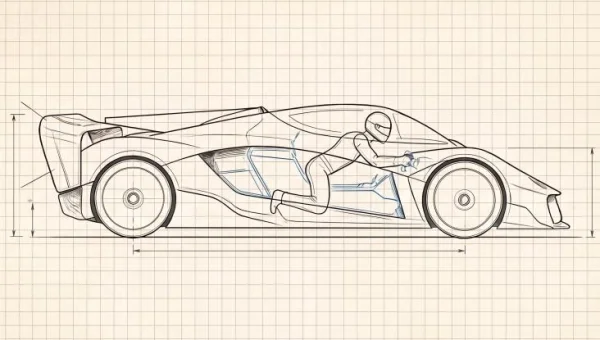
Sanrivatti One Breaks Driving Rules: 800 HP and a Face-Down Driving Position
Dutch startup Sanrivatti has unveiled its first supercar project, the Sanrivatti One, powered by a ten-cylinder engine producing around 800 horsepower. The car features a radical 'Apex Position' that places…
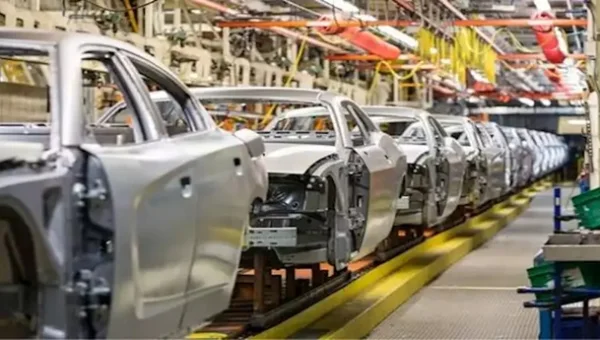
Europe Threatens Morocco's Automotive Crown: Why Renault and Stellantis Fear 'Made in Europe' Rules
Morocco's Industry Minister Ryad Mezzour warned that excluding his country from 'Made in Europe' rules constitutes a hostile act. The dispute revolves around how Brussels defines European products and the…
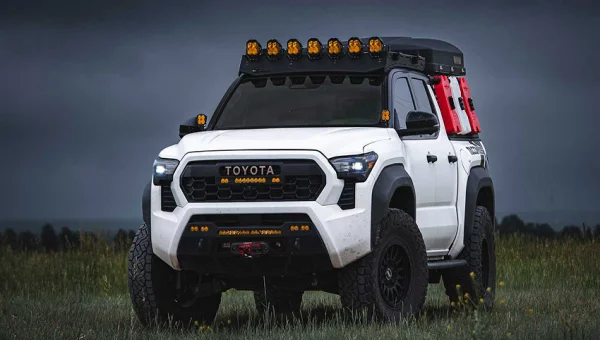
New Car Prices in the US Break Records as Average Tops $51,000 for the First Time
The average transaction price for a new vehicle in the US reached a record $51,109 in October 2026, up $649 from September and 2.1% year-over-year. Mid-size SUVs and full-size trucks…