

Iran War Accelerates China’s Shift from Diesel Trucks to Electric Power
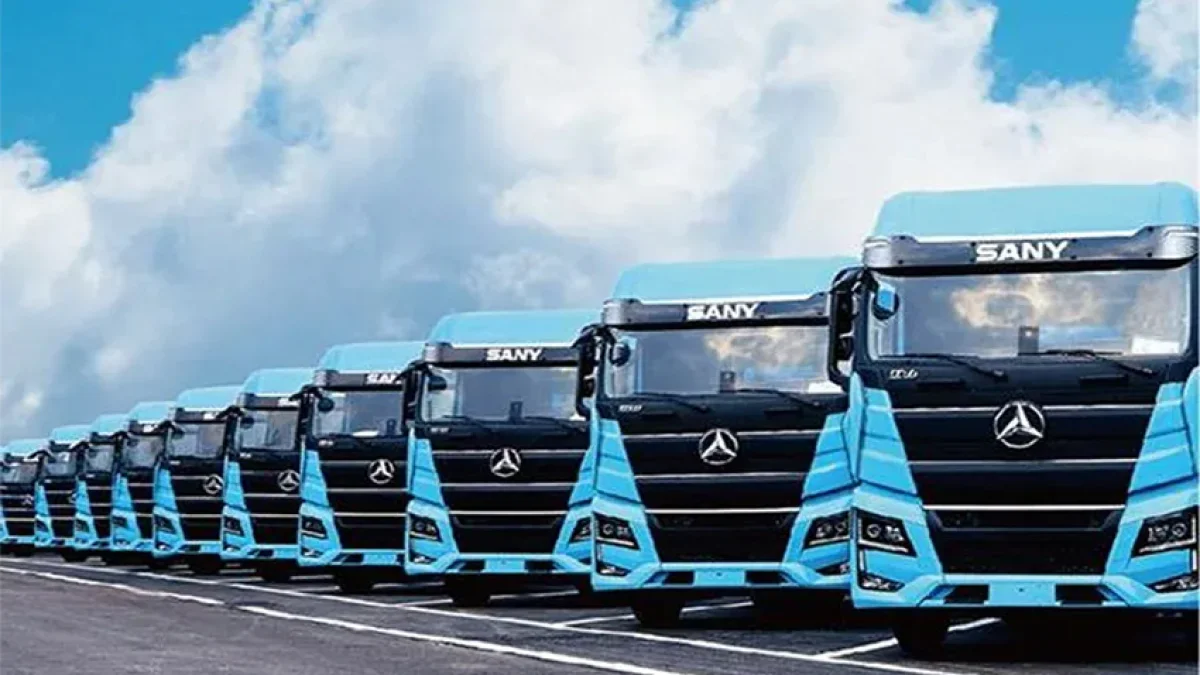
The shift is accelerating. China is speeding up its move from diesel-powered trucks to electric trucks as diesel costs rise in the Chinese market amid the effects of current regional tensions, making electricity a more attractive option for transport companies that are reassessing operating costs and the burden of conventional diesel trucks. The change is visible. It's no longer limited to a long-term plan, because sales of heavy-duty electric trucks already surged during the first quarter of 2026, turning the latest market figures into a clear measure of how quickly the transition is gaining ground. The market is moving.
Electric Heavy-Truck Sales Surge
About 44,000 trucks. That was the level of heavy-duty electric truck sales in China during the first quarter of 2026, representing a 45% increase and giving electric trucks more than a quarter of the heavy-truck market, compared with a share of less than 20% a year earlier. The jump is significant. Moving from below 20% to more than a quarter of the market in one year shows how quickly electric heavy-duty trucks have expanded their position in China, while the 45% sales increase provides a direct measure of the pace recorded during the first quarter of 2026. The direction is clear.
But what is driving the change? Higher diesel prices in China have helped accelerate the move toward electric power, with diesel prices rising 27% since the beginning of the war, increasing operating pressure on transport companies and forcing them to reconsider the cost of running conventional trucks that depend on diesel fuel. The pressure is growing. A 27% increase in diesel prices changes the operating-cost calculation for companies that rely on conventional heavy-duty trucks, while the simultaneous rise in electric truck sales gives the market a clear alternative as companies reassess the cost of keeping diesel-powered vehicles in operation. Costs matter.
China Sets a 40% Target by 2030
40% is the target. China’s plan calls for new-energy heavy-duty trucks to reach a 40% share of the market by 2030, showing that the shift away from diesel is being pursued alongside a broader plan to expand the use of heavy-duty trucks powered by new energy in the coming years. The goal is specific. The targeted market share gives the transition a defined benchmark, while the first-quarter sales figure of about 44,000 electric heavy-duty trucks, combined with 45% growth, shows the scale of the movement already taking place in China. The path is set.
More than 1.6 million trucks. China’s plan also targets a fleet exceeding 1.6 million new-energy heavy-duty trucks by 2030, tying the fleet objective directly to the country’s effort to reduce reliance on conventional fuel and accelerate the electrification of heavy-duty transport. The number is substantial. Reaching a fleet of more than 1.6 million new-energy heavy-duty trucks would form a central part of the same strategy that seeks a 40% market share for these vehicles by 2030, giving the transition from conventional fuel a clearly defined scale within China’s heavy-transport sector. The plan is firm.
The equation is changing. A 27% rise in diesel prices since the beginning of the war, combined with a 45% increase in heavy-duty electric truck sales during the first quarter of 2026, places China’s heavy-transport sector in the middle of a rapid shift shaped by operating costs and the national plan to expand new-energy trucks. The figures tell the story. About 44,000 electric heavy-duty trucks were sold in the first quarter, taking their share above a quarter of the heavy-truck market after it stood below 20% a year earlier, while the plan targets 40% of the market and a fleet exceeding 1.6 million trucks by 2030. The transition is accelerating.
Related News
View All News
Mercedes 170 S: From Abdel Halim's Era to Million-Dollar Auctions — The Icon That Never Dies
The Mercedes-Benz 170 S from 1953 is a classic car tied to Egypt's golden era, owned by legendary singers Abdel Halim Hafez and Farid El Attrash. It was the first…
Britain Caught Between China and Europe: EV Tariffs Ignite a €24 Billion Battle
The British government is under pressure from the European Union to raise tariffs on Chinese electric cars in exchange for trade benefits and joining the "Buy European" program. The UK…
China Dominates Global Auto Market: 15 Million Cars in 6 Months
China produced and sold 15 million vehicles in the first half of 2026, surpassing the combined sales of European and American automakers. Chinese exports reached 5.1 million cars, with forecasts…
Porsche Brings Petrol Power Back to Macan Class with New SUV in 2028
Porsche is preparing to reintroduce petrol and hybrid engines to the compact SUV segment through a new standalone model planned for around 2028. The move follows the end of combustion…

Tarek Masoud: Africa Has a Historic Opportunity to Build a Global Auto Industry Hub
Tarek Masoud, President of the African Association of Automotive Manufacturers, called on governments and the private sector to accelerate concrete industrial projects rather than just policies. Speaking at the Africa…

