How the Wealthy Turn Luxury Cars into Unique One-of-a-Kind Creations
For wealthy buyers, a luxury car is no longer just a means of transportation or a status symbol. It has become a personal space for self-expression, reflecting individual taste, lifestyle, and even personal history. In the world of high-end automotive design, owning a Rolls-Royce, Bentley, Ferrari, or Porsche is no longer enough to stand out, as clients increasingly demand fully bespoke creations that go far beyond standard factory specifications.
From Purchasing to Commissioning a Bespoke Vehicle
The relationship between luxury car manufacturers and their most affluent clients has evolved significantly. Instead of simply selecting a pre-built model, customers now effectively commission a fully customized vehicle tailored to their exact preferences. This approach is supported through dedicated personalization programs offered by luxury brands, allowing clients to define nearly every aspect of their future car.
The process typically begins with extended design consultations between the client and specialized design teams. During these sessions, exterior themes, interior materials, and personal touches are carefully discussed before moving into highly detailed handcrafted production stages. Some manufacturers describe their most exclusive programs as invitation-only collaborations designed to produce truly unique vehicles.
Colors and Materials Beyond the Standard Catalog
Exterior paint is often the first and most visible layer of personalization in luxury vehicles. Clients can request custom paint finishes that are not part of the standard color palette. These bespoke shades may be matched to personal items such as luxury watches, private yachts, aircraft, or other meaningful possessions.
In more advanced requests, paintwork can include complex gradient finishes or multi-layer applications that require extensive manual craftsmanship. These techniques ensure that no two vehicles are ever exactly alike, even if they share the same base model. Some luxury programs also enable fully customized finishes that are individually applied to each vehicle to guarantee absolute exclusivity.
Interior Cabins Become Private Living Spaces
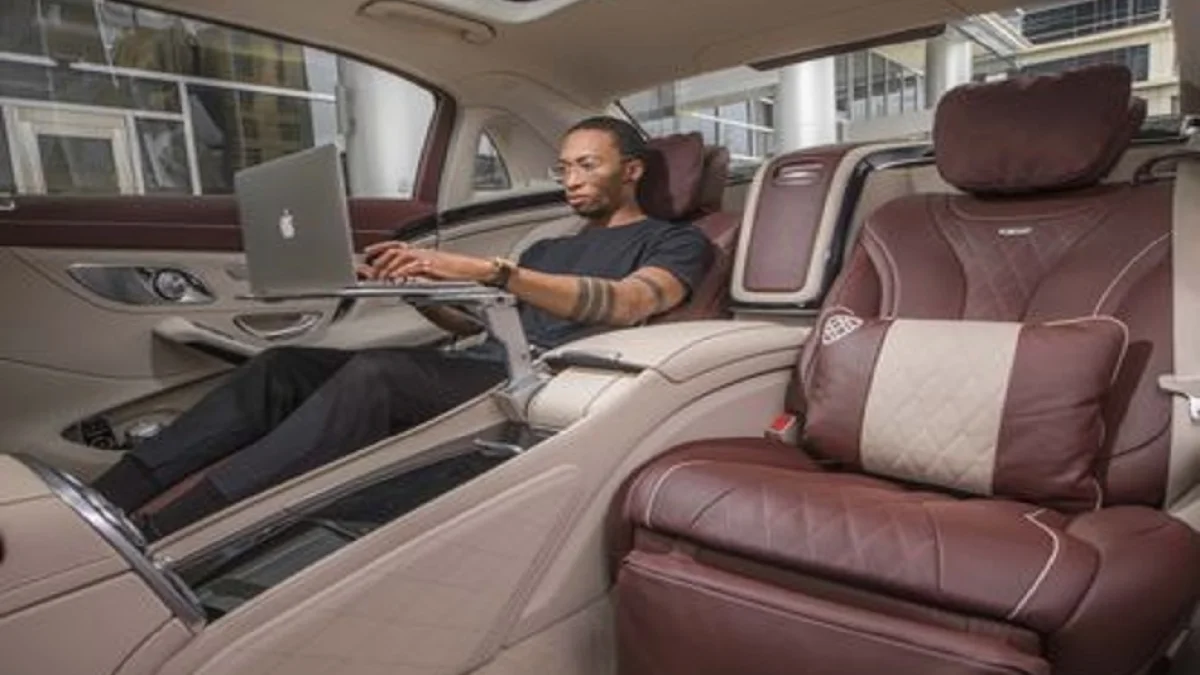
Inside the cabin, personalization reaches its most intimate level. Buyers can select specific types of leather, contrasting stitching colors, and embroidered elements featuring initials, family symbols, or personal motifs inspired by hobbies and passions.
Some manufacturers also incorporate unconventional materials inspired by yachts or private jets, further enhancing the sense of exclusivity and bespoke craftsmanship. This growing trend reflects a shift toward storytelling through interior design, where each vehicle becomes a reflection of its owner’s identity rather than a standardized luxury product.
The Philosophy of Rarity in Ultra-Luxury Automotive Design
This growing trend is rooted in the philosophy of absolute rarity, where each car is treated as a one-off creation. Rather than being mass-produced luxury items, these vehicles become unique design projects that combine craftsmanship, engineering excellence, and deeply personal customization.
As demand for bespoke vehicles continues to rise, luxury automakers are expanding their personalization programs to meet the expectations of ultra-wealthy clients while preserving traditional artisanal production values. The future of luxury cars is increasingly defined by individuality, where every vehicle tells a distinct story shaped by its owner’s vision, down to the finest details, and some manufacturers even explore unconventional materials such as ...
Related News
View All News
BYD Launches Electric Truck Offensive Against Volvo and Mercedes in Europe
BYD has unveiled a heavy-duty electric truck with a range of 600 kilometers and 20% to 80% charging in 20 minutes, targeting Europe's truck market. Volvo and Mercedes-Benz together controlled…

LUXEED Prepares for Global Launch on October 21 in Wuhu, China
LUXEED is preparing to hold its global launch event on October 21 in Wuhu, Anhui Province, China, under the theme 'Intelligence, Enlightened.' The event will feature the world premiere of…

Avatr CONCEPT T09 with 1000+ HP Challenges Maybach and Rolls-Royce at Paris Show
Avatr unveils the CONCEPT T09 at the 2026 Paris Motor Show, a large luxury SUV with over 1000 horsepower and massive dimensions (5285 mm length). It features a hybrid powertrain…

Morocco Produces 700,000 Cars Annually, Surpassing Italy with $16 Billion in Export Revenue
Morocco has solidified its position as an African manufacturing power, producing 700,000 vehicles annually and generating over $16 billion in automotive export revenue, outpacing Italy. Industrial activity spans 150 zones…

Opel CEO: Adam Small Car Out of Plans Until 2030 Due to EU Regulations
Opel CEO Florian Huettl has confirmed the Adam small car is not in the company's product plans until 2030 due to stringent European regulatory requirements. Speaking at the 2026 Paris…