Germany Demands European Shield Against Chinese Cars Before It's Too Late
The German government and major car-producing states have called on the European Union to extend trade measures to Chinese plug-in hybrid vehicles and tighten local content rules. Berlin argues the regulatory gap allowed Chinese hybrid exports to surge into Europe. The move comes as Volkswagen, Mercedes, and BMW face mounting pressure in both China and Europe.
Berlin is moving. The German government and major car-producing states have called on the European Union to take stronger trade measures protecting their automakers from what they describe as "unfair" Chinese competition, as Volkswagen, Mercedes, and BMW face mounting pressure in both China and Europe. The most prominent demand came from Finance Minister and Vice Chancellor Lars Klingbeil, who urged Brussels to study extending tariffs to Chinese plug-in hybrid vehicles.
EU Tariffs Hit EVs... Plug-in Hybrids Slip Through
The European Union already imposes additional duties on certain electric vehicles manufactured in China following investigations into government subsidies, but plug-in hybrids were not covered by those measures. This regulatory gap opened wide the door for Chinese automakers to increase their hybrid exports to Europe, according to Berlin's assessment. That pushed Germany to demand an urgent review of the trade protection scope. The tariffs could soon reach Chinese plug-in hybrids.
'Made in Europe' Enters the Trade Battle
Germany's demands go beyond tariffs. Berlin also wants stricter local content rules, so vehicles manufactured in Europe or those relying more heavily on European components receive better treatment in the market. Major German car-producing states are also calling for industrial policies that keep added value and jobs inside Europe, instead of the continent gradually becoming a consumer market for imported cars and technology. The broader European debate over 'Made in Europe' policies aims to reduce dependence on Chinese components in strategic sectors including batteries and electric vehicles.
Why Is Germany Moving Now?
The timing is no coincidence. Competition between European and Chinese automakers is no longer just a race on prices or technology — it has become a question of factory futures, jobs. The European industry's ability to survive. A new wave of Chinese cars is expanding rapidly across the continent. Volkswagen, Mercedes, and BMW face doubled pressure in both markets. Berlin believes delays in decisive action could weaken the competitiveness of German industry beyond recovery.
What Does This Mean for the Egyptian Market?
European moves against Chinese cars could have an indirect impact on Middle East markets, including Egypt. Any new European trade restrictions may push Chinese companies to seek alternative markets for their output, potentially meaning more offerings in the Egyptian market at competitive prices. At the same time, continued pressure on Volkswagen and BMW in Europe could reflect on their strategies in emerging markets. Mercedes prices and BMW prices in the local market may also be affected if automakers rearrange their commercial priorities.
Frequently Asked Questions
3 questions answered
Related News
View All News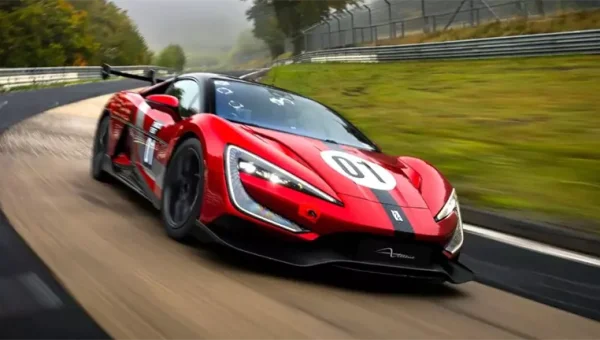
BYD U9 Xtreme Sets Guinness Record at 503.17 km/h — The World's Fastest Production EV
BYD's U9 Xtreme recorded a top speed of 503.17 km/h on Abu Dhabi's Sheikh Khalifa bin Zayed International Road, entering the Guinness World Records as the fastest production electric vehicle.…
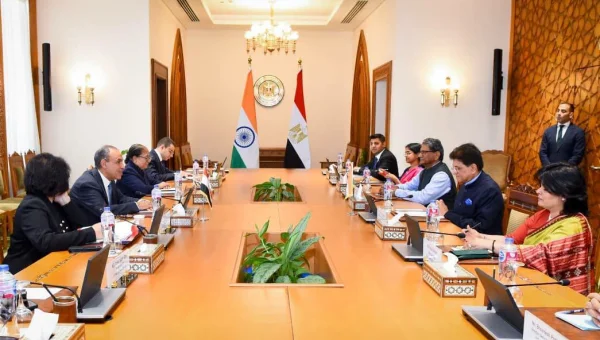
Egypt and India Explore Industrial Partnerships in Electric Vehicles, Aim to Boost Trade to $12 Billion
Egyptian Foreign Minister Badr Abdelatty met with Indian Commerce and Industry Minister Piyush Goyal to explore industrial partnerships in electric vehicles and feeder industries. The two sides reviewed Egypt's competitive…
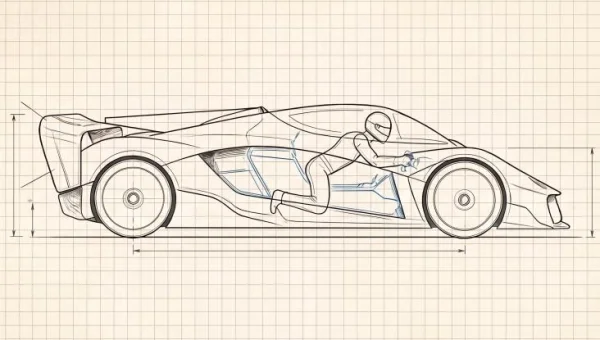
Sanrivatti One Breaks Driving Rules: 800 HP and a Face-Down Driving Position
Dutch startup Sanrivatti has unveiled its first supercar project, the Sanrivatti One, powered by a ten-cylinder engine producing around 800 horsepower. The car features a radical 'Apex Position' that places…
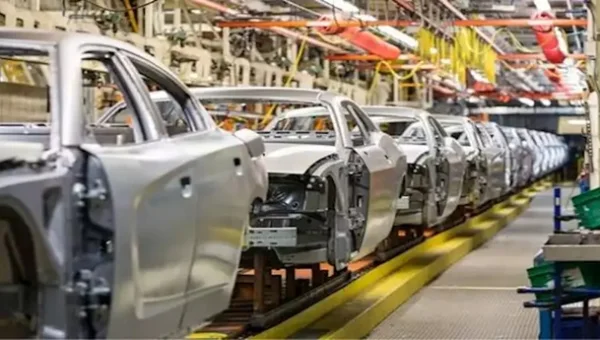
Europe Threatens Morocco's Automotive Crown: Why Renault and Stellantis Fear 'Made in Europe' Rules
Morocco's Industry Minister Ryad Mezzour warned that excluding his country from 'Made in Europe' rules constitutes a hostile act. The dispute revolves around how Brussels defines European products and the…
New Car Prices in the US Break Records as Average Tops $51,000 for the First Time
The average transaction price for a new vehicle in the US reached a record $51,109 in October 2026, up $649 from September and 2.1% year-over-year. Mid-size SUVs and full-size trucks…