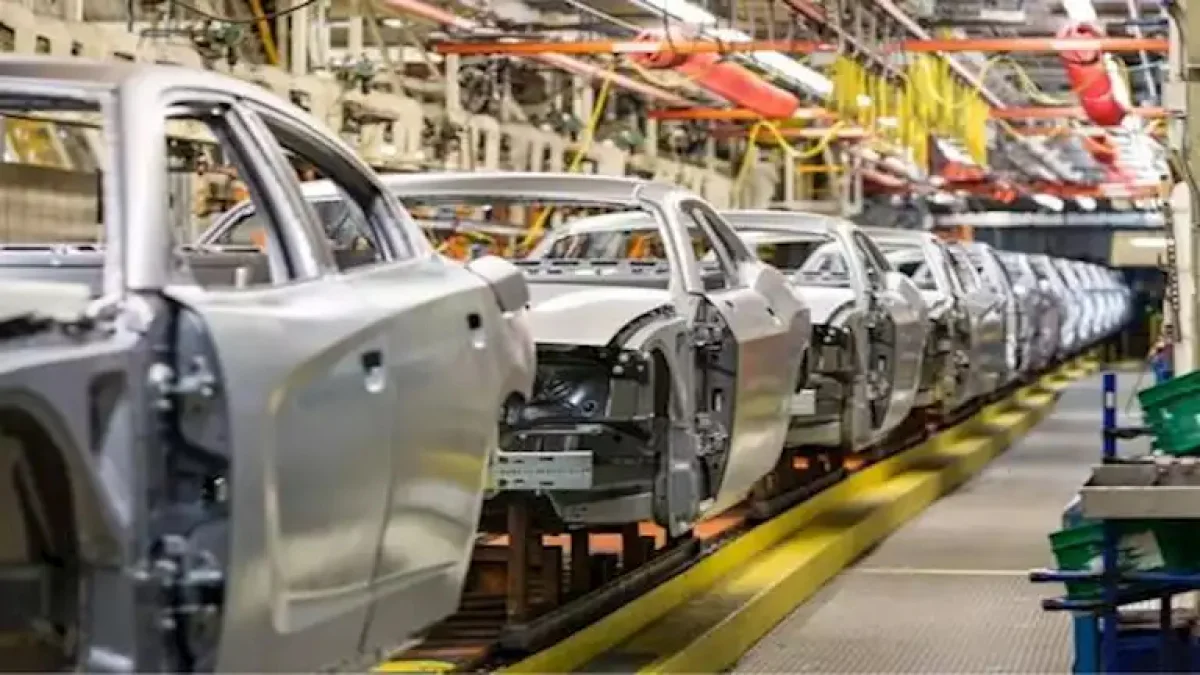
German Auto Industry Crisis: 55,000 Jobs Lost as Production Declines and Global Standing Threatened
Germany's automotive industry is in crisis after losing around 55,000 jobs over the past two years, with production and exports declining. Estimates suggest up to 100,000 jobs could be at risk over the next four years. German automakers face pressure from high manufacturing costs and growing Chinese competition in the electric vehicle market, threatening Germany's status as a global auto manufacturing hub.
Germany's automotive industry is facing a deepening crisis, with around 55,000 jobs lost over the past two years as production and exports decline. The numbers are staggering. These figures reveal the scale of pressure on one of the pillars of the German economy, amid intensifying competition from Chinese manufacturers and rising production costs.
Production and Exports Decline
Vehicle production in Germany has fallen sharply, according to a report by 'Business with Lobna' on Sky News Arabia. Exports are down too. The pressure isn't confined to any single company or group; it extends across the entire German auto industry supply chain, driven by high production costs and slowing global demand. Chinese competition is mounting. German companies are being forced to restructure operations and cut production while trying to defend market share in a tough economic climate.
Job Losses and Their Impact
The labor market has not been spared. The auto sector shed around 55,000 jobs over the past two years, with estimates suggesting the number of at-risk jobs could reach 100,000 over the next four years. Companies are cutting production and restructuring. These figures are raising alarm among workers and unions, especially in regions heavily dependent on the auto industry. The pressure is intensifying. The need for massive investments in the shift to electric vehicles adds a heavy burden on companies trying to balance technological modernization with maintaining competitiveness.
Chinese Competition and the EV Shift
Chinese manufacturers have strengthened their global presence, particularly through expanded electric vehicle production. Competition is fierce. German companies face an additional challenge: massive investments required to keep pace with the electric transition and develop technology, while preserving their ability to compete against rivals offering lower-priced models and moving faster in some markets. This puts the German industry at a crossroads. The ability to restore competitiveness and keep up with global shifts has become decisive in maintaining Germany's place on the international auto industry map.
The Future of German Manufacturing
Current indicators raise concerns about the future of the German auto industry, with production and exports falling and jobs eroding. The pressures aren't new. They are the cumulative result of years of challenges, from the shift to electric mobility to fierce competition from Chinese companies offering competitive alternatives. German automakers are being forced to rethink their strategies entirely. Huge investments are required. But the returns aren't guaranteed. The global market is changing fast, and Germany risks losing its leading position if it can't adapt. The biggest challenge remains balancing technological innovation with preserving its industrial base and workforce.
Frequently Asked Questions
3 questions answered
Related News
View All News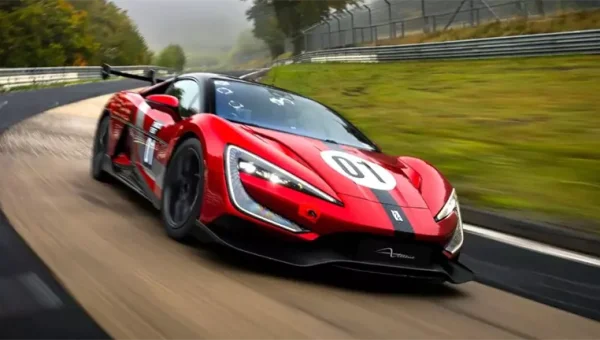
BYD U9 Xtreme Sets Guinness Record at 503.17 km/h — The World's Fastest Production EV
BYD's U9 Xtreme recorded a top speed of 503.17 km/h on Abu Dhabi's Sheikh Khalifa bin Zayed International Road, entering the Guinness World Records as the fastest production electric vehicle.…

Egypt and India Explore Industrial Partnerships in Electric Vehicles, Aim to Boost Trade to $12 Billion
Egyptian Foreign Minister Badr Abdelatty met with Indian Commerce and Industry Minister Piyush Goyal to explore industrial partnerships in electric vehicles and feeder industries. The two sides reviewed Egypt's competitive…
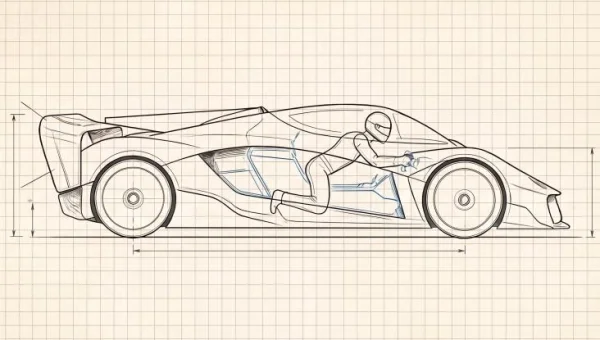
Sanrivatti One Breaks Driving Rules: 800 HP and a Face-Down Driving Position
Dutch startup Sanrivatti has unveiled its first supercar project, the Sanrivatti One, powered by a ten-cylinder engine producing around 800 horsepower. The car features a radical 'Apex Position' that places…
Europe Threatens Morocco's Automotive Crown: Why Renault and Stellantis Fear 'Made in Europe' Rules
Morocco's Industry Minister Ryad Mezzour warned that excluding his country from 'Made in Europe' rules constitutes a hostile act. The dispute revolves around how Brussels defines European products and the…
New Car Prices in the US Break Records as Average Tops $51,000 for the First Time
The average transaction price for a new vehicle in the US reached a record $51,109 in October 2026, up $649 from September and 2.1% year-over-year. Mid-size SUVs and full-size trucks…