Europe Shields Its Automakers from China — Will EV Owners Pay the Price?
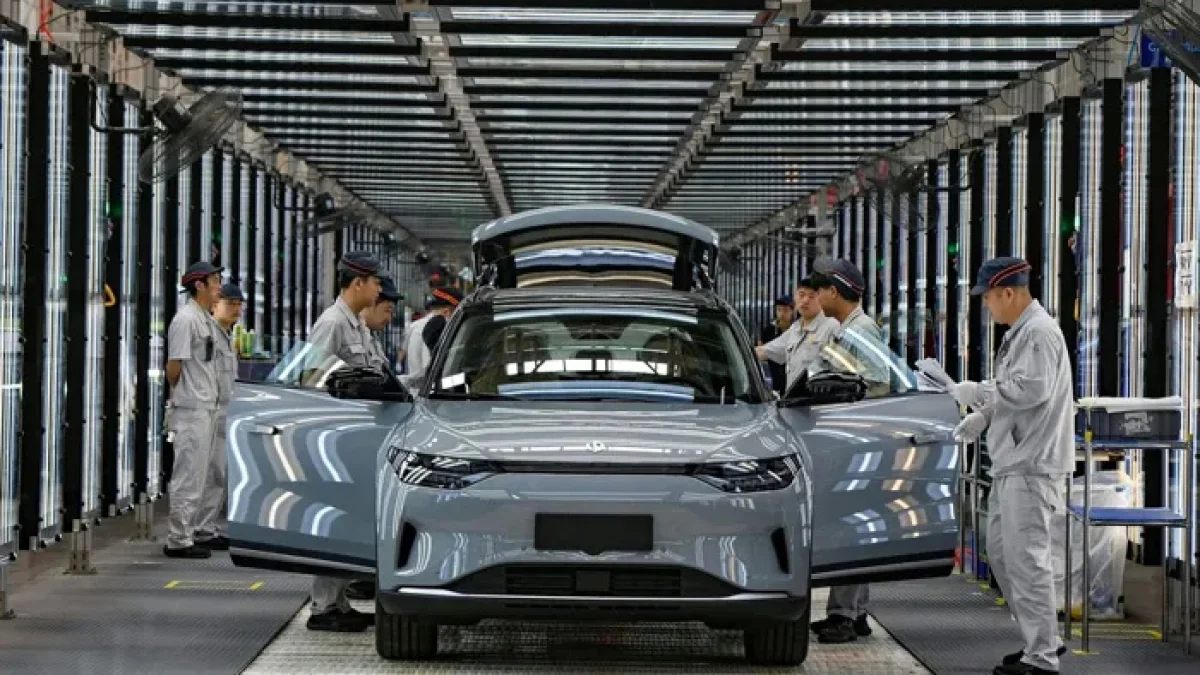
A new Bruegel research report warns that EU policies to boost domestic battery production could raise electric vehicle costs by around 2,300 euros per car. The increase stems from battery cell costs rising from 50 to 85 euros per kWh, plus 200 euros for low-carbon steel requirements. The findings come as EU vehicle production has dropped 19 percent since 2019, leaving the bloc torn between protecting its auto industry and keeping EVs affordable for consumers.
The cost of protecting Europe's auto industry is clear: an extra 2,300 euros on every electric vehicle. That's the finding of a new Bruegel research report examining how policies to boost local battery production and reduce reliance on Asian suppliers could backfire on consumers, as Europe races to save its carmakers from Chinese competition.
Why European Batteries Cost More
The number is startling. Producing battery cells inside the EU pushes costs from 50 euros to 85 euros per kilowatt-hour compared to global alternatives. For an EV with a 60 kWh battery, that gap translates to roughly 2,100 euros in added cost. More charges pile on: requiring low-carbon steel adds another 200 euros, while streamlining vehicle approval procedures saves just 61 euros. The total climbs to about 2,300 euros before any other effects.
European Auto Industry Under Pressure
The figures don't lie. Vehicle production inside the EU has fallen 19 percent since 2019, and consumers bought roughly 2.2 million fewer new cars in 2025 than in 2019. European automakers face rising production costs and fierce price and technology competition from Chinese rivals — leaving the bloc caught between protecting domestic industry and keeping cars affordable for buyers.
Will Consumers Foot the Bill?
Who pays the bill? Protectionist policies may push EV prices higher instead of lower, threatening Europe's green transition ambitions. Buyers looking for an affordable electric car could face fewer and more expensive options. The equation is tough, and the answers aren't clear yet.
Frequently Asked Questions
3 questions answered
Related News
View All News
BYD U9 Xtreme Sets Guinness Record at 503.17 km/h — The World's Fastest Production EV
BYD's U9 Xtreme recorded a top speed of 503.17 km/h on Abu Dhabi's Sheikh Khalifa bin Zayed International Road, entering the Guinness World Records as the fastest production electric vehicle.…

Egypt and India Explore Industrial Partnerships in Electric Vehicles, Aim to Boost Trade to $12 Billion
Egyptian Foreign Minister Badr Abdelatty met with Indian Commerce and Industry Minister Piyush Goyal to explore industrial partnerships in electric vehicles and feeder industries. The two sides reviewed Egypt's competitive…
Sanrivatti One Breaks Driving Rules: 800 HP and a Face-Down Driving Position
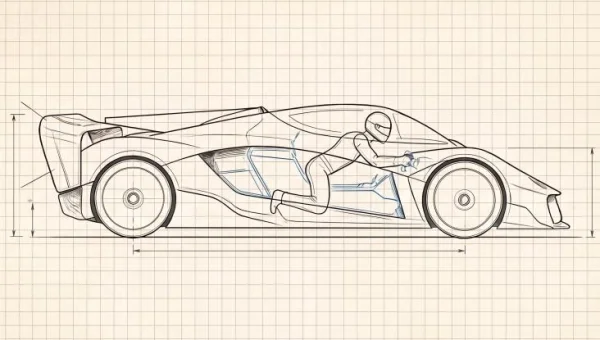
Dutch startup Sanrivatti has unveiled its first supercar project, the Sanrivatti One, powered by a ten-cylinder engine producing around 800 horsepower. The car features a radical 'Apex Position' that places…
Europe Threatens Morocco's Automotive Crown: Why Renault and Stellantis Fear 'Made in Europe' Rules
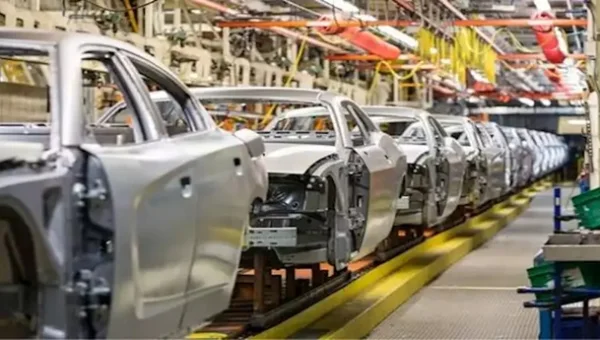
Morocco's Industry Minister Ryad Mezzour warned that excluding his country from 'Made in Europe' rules constitutes a hostile act. The dispute revolves around how Brussels defines European products and the…

New Car Prices in the US Break Records as Average Tops $51,000 for the First Time
The average transaction price for a new vehicle in the US reached a record $51,109 in October 2026, up $649 from September and 2.1% year-over-year. Mid-size SUVs and full-size trucks…