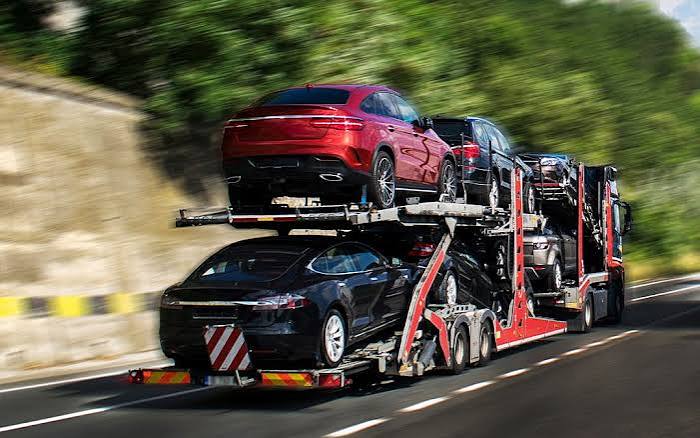
One in Seven New Cars in Europe Is Chinese: The Hybrid-Powered Rise
Chinese brands captured a 13.6% share of new car registrations in Europe in October 2026, up 103% year-on-year to 151,112 units, according to Dataforce data. The surge is no longer limited to electric vehicles, with competitive hybrid models driving growth. In the third quarter of 2026, Chinese brands outsold Japanese brands in Europe for the first time, prompting the European Union to introduce trade measures to protect its domestic industry.
Chinese brands captured 13.6% of new car registrations in Europe in October 2026 — one in every seven new vehicles sold. The surge is no longer confined to electric cars; it now runs on hybrid powertrains and aggressive pricing. The numbers tell a bigger story.
A dual surge beyond electric vehicles
Registrations of Chinese-branded cars in Europe jumped 103% year-on-year in October 2026 to 151,112 units, according to Dataforce figures published by Bloomberg on November 26. That increase nearly doubled the brands' market share compared with the same month last year, even as the broader European car market grew only modestly. Crucially, the momentum no longer depends on EVs alone — Chinese automakers have capitalised on booming hybrid demand with models that pair advanced technology and competitive pricing.
The 13.6% share is the second-highest monthly level Chinese brands have achieved, trailing only September's record of 14.5%. The slight dip between the two months doesn't signal slowing demand; September typically sees stronger sales as the third quarter closes and the UK registration plate change kicks in. The trajectory remains upward.
Perhaps the most telling shift: in the third quarter of 2026, Chinese brands outsold Japanese brands in European registrations for the first time. That milestone underscores how quickly the balance of power has moved inside Europe's car market, where legacy manufacturers now face fierce competition from brands that were marginal players just a few years ago. The rise has been fuelled by competitive hybrid models, not just electric vehicles.
Brussels responds with trade measures
The European Union has responded with new trade measures aimed at shielding its domestic industry from growing Chinese competition. The move comes as Chinese brands post exceptional growth, putting the continent's automakers in one of their toughest fights in decades. Can the restrictions stop the rise? The market will decide.
The irony is that Brussels is erecting barriers while Chinese brands keep expanding, backed by massive manufacturing scale and lower production costs. Competition is no longer just about price — it's about technology, hybrids, and EVs together. That combination pushed market share past 13% in a single month.
Frequently Asked Questions
3 questions answered
Related News
View All News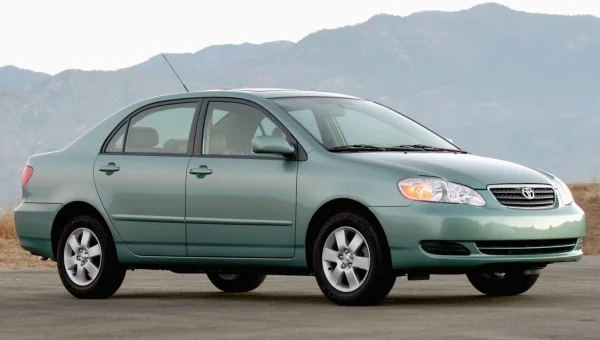
Toyota Recalls 790,000 Vehicles Worldwide Over Airbag Explosion Risk
Toyota has announced a global recall of approximately 790,000 vehicles due to concerns over Takata airbag inflators that may rupture during deployment. The U.S. recall covers 314,029 vehicles, including Corolla,…
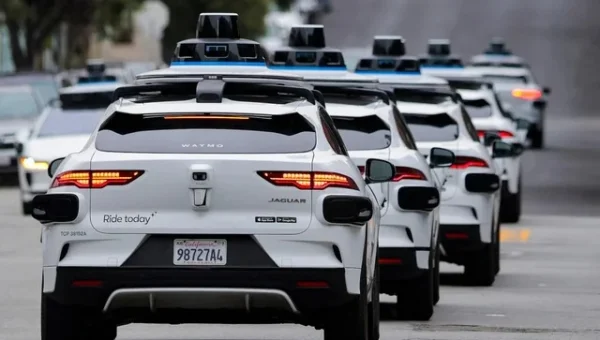
Waymo, Zoox, Tesla and Uber Battle on San Francisco Streets for the Future of Driverless Taxis
Nuro and Uber have begun operating more than 100 Lucid Gravity robotaxis with no driver or safety monitor inside on San Francisco streets. The vehicles were developed by Lucid, Uber…
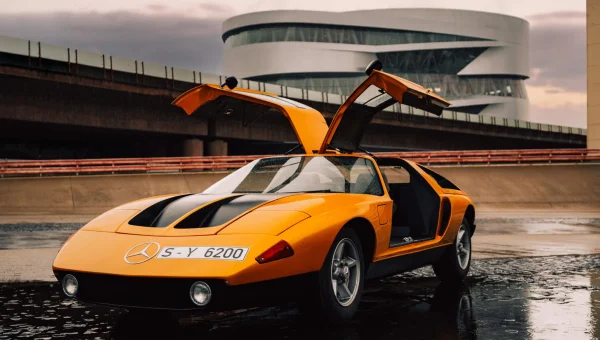
Rare Mercedes C111 Heads to Paris Auction with Expected €25 Million Price Tag
Mercedes-Benz is putting its rare C111 concept car up for auction at Sotheby's in Paris this February, with an estimated price of €25 million. Built in 1970, the car never…

Toyota Recalls 790,000 Vehicles Worldwide Over Takata Airbag Inflators
Toyota has announced a recall of about 790,000 vehicles worldwide, including 314,000 in the United States, over concerns that Takata airbag inflators may rupture. The recall covers Toyota and Lexus…
Honda Recalls Over 810,000 Vehicles Over Takata Airbag Rupture Risk
Honda is recalling 810,592 vehicles from its own lineup and Acura division over a potential Takata airbag inflator defect. The flaw could cause the inflator to rupture and send metal…