

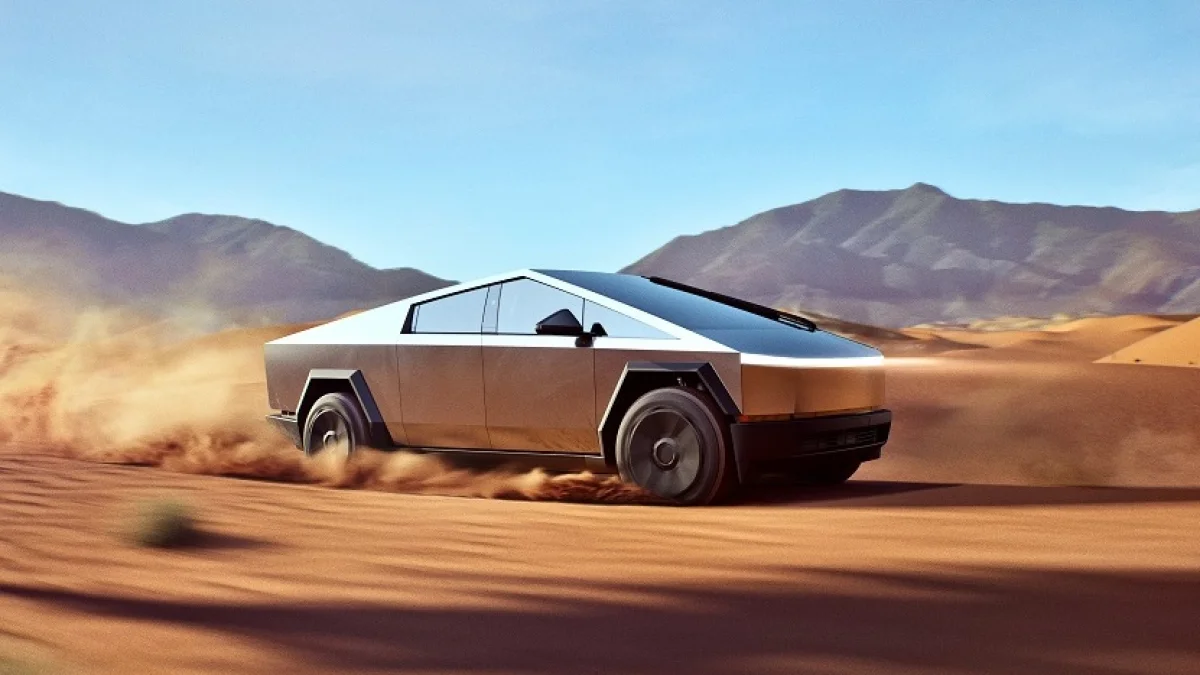
Tesla to Start Selling Steerless Cybercab Before End of 2026 in Real Robotaxi Test
Tesla intends to sell its fully autonomous Cybercab to customers outside the company before the end of 2026. The two-seat vehicle has no steering wheel or pedals and relies entirely on its self-driving system. Tesla has already begun running it in its Robotaxi fleet in Austin and was approaching two million driverless miles through Q3. The move is a real commercial and regulatory test of Elon Musk's plan to turn Tesla into an autonomous mobility platform.
Tesla is moving to sell its Cybercab fully autonomous vehicle to customers outside the company before the end of 2026, a move that puts Elon Musk's robotaxi vision to a real commercial and regulatory test. The car was designed from the ground up to operate without a steering wheel or traditional pedals. The stakes are high.
Tesla Cybercab: a car its owner can't drive
The Cybercab's design sums up the bet Tesla is making. It seats just two people and has no steering wheel or brake and accelerator pedals, relying on a central screen to control trip functions while the autonomous driving system handles the entire journey from point to point — and that's where the biggest difference lies between it and the Tesla Model 3 or Model Y; a Cybercab owner will have no option to grab the wheel and drive manually, because the car's philosophy assumes no driver exists.
Tesla has already begun adding the Cybercab to its Robotaxi fleet in Austin, Texas, and limited rides in the vehicle are now available in certain parts of the city. In its latest results, the company said it was approaching two million miles of driverless rides on its Robotaxi service through the end of the third quarter. The numbers are striking.
From car sales to an autonomous mobility platform
At first glance the move looks like Tesla preparing to sell a new car, but it's far broader than that; the Cybercab isn't a conventional vehicle with the steering wheel removed, but a core part of Musk's plan to transform Tesla from a company that relies mainly on selling cars into a platform for autonomous mobility and artificial intelligence. Tesla is shifting.
The company aims to begin delivering limited numbers of the Cybercab to customers before the end of the year, then expand gradually as it gains experience in delivering, managing. Operating autonomous vehicles within fleets. But what does that mean for the average buyer? The car is aimed primarily at operators running fleets rather than daily personal use. That puts Tesla in front of an unprecedented regulatory and commercial challenge in the smart mobility market.
Frequently Asked Questions
3 questions answered
Related News
View All News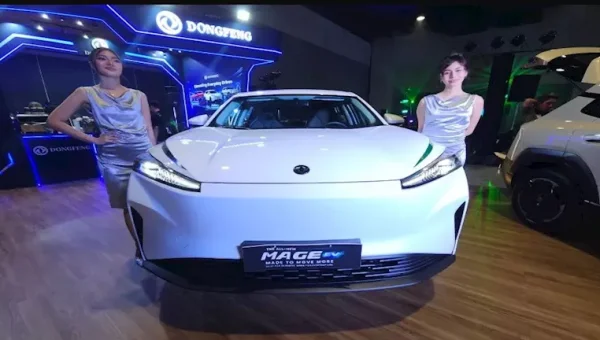
Dongfeng Mage Electric Set for Egyptian Debut on October 31
The Dongfeng Mage electric SUV will launch in its locally assembled Egyptian form on October 31, built at El Nasr Automotive's factory. It uses a 161 hp front-mounted electric motor…
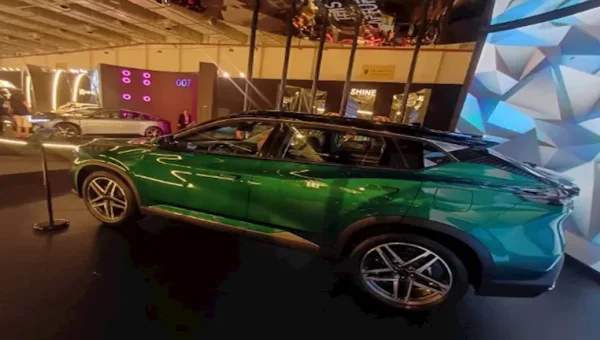
Dongfeng Mage EV: Egypt's First Locally Assembled Electric Car Before Official Launch
SN Automotive and Al Nasr Automotive are set to unveil the Dongfeng Mage EV, Egypt's first locally assembled electric car, on October 31. The compact SUV features a 120 kW…
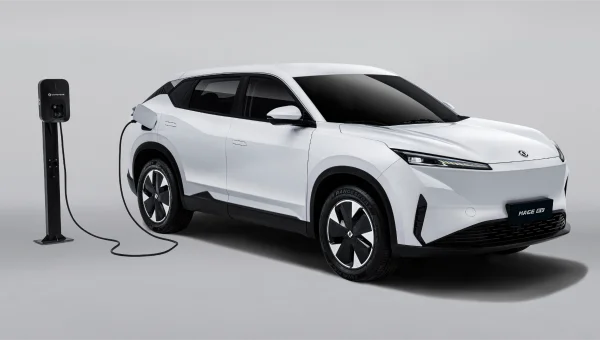
Dongfeng Mage EV Set to Launch from El Nasr Plant on October 31
SN Automotive has set October 31 as the official reveal date for the Dongfeng Mage EV, the first electric vehicle to be manufactured at Egypt's El Nasr Automotive plant. The…
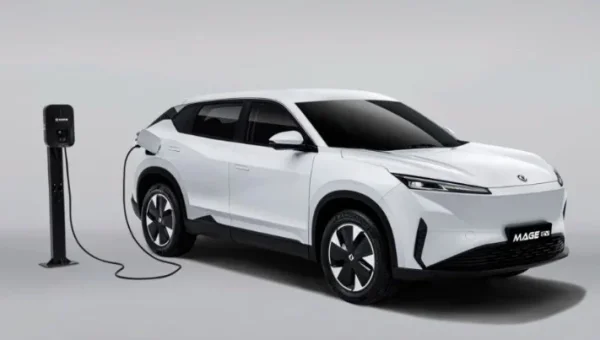
Dongfeng Mage Launches First Locally Made EV in Egypt with El Nasr Automotive
SN Automotive, the distributor of Dongfeng Mage in Egypt, will unveil the brand's first locally manufactured electric vehicle on October 31 in partnership with El Nasr Automotive. The move is…
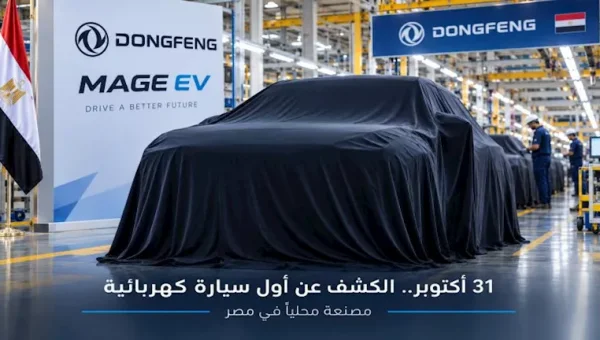
Dongfeng Mage EV Set for Official Unveiling in Egypt on October 31
SN Automotive is preparing to unveil the Dongfeng Mage EV in Egypt on October 31, 2026, with local assembly at Nasr Automotive's facilities. The compact SUV features a front-mounted electric…

