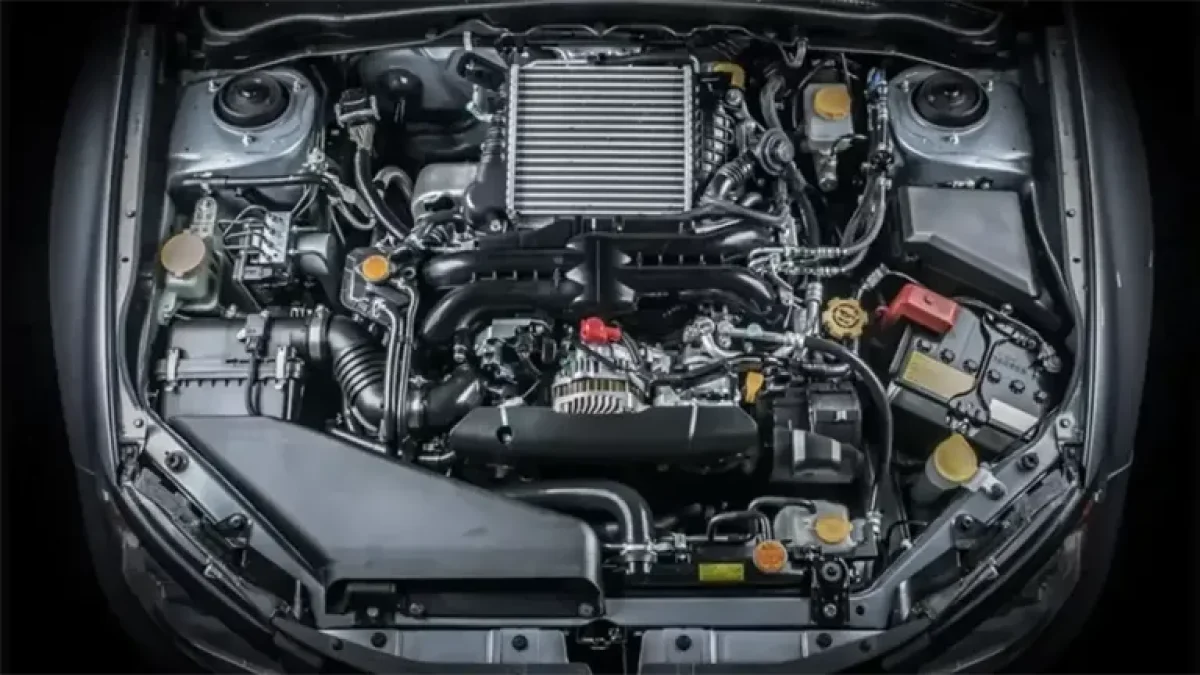
REEV vs PHEV vs HEV: A Complete Guide to Electric and Hybrid Vehicle Systems
REEV, PHEV, and HEV systems differ in operation and the role of the gasoline engine. REEV uses an electric motor to drive the wheels with a combustion engine acting as a generator. PHEV combines a gasoline and electric motor with an externally chargeable battery. HEV is a conventional hybrid that cannot be plugged in and relies on regenerative braking for battery charging.
Three powertrain systems dominate today's electric and hybrid vehicle market: REEV, PHEV, and HEV. The differences between them aren't just technical — they reshape how you use the car entirely. A REEV relies on an electric motor to drive the wheels, while the combustion engine works solely as a generator. This design delivers a pure electric driving experience with extended range when needed.
REEV: The Range-Extended Electric Vehicle
The full name Range Extended Electric Vehicle reveals the philosophy: the wheels are always driven by an electric motor. The gasoline engine never turns the wheels directly — it charges the battery when energy runs low. The result? Electric driving without range anxiety. Extended-range electric vehicles suit those who want a full EV experience without depending entirely on charging stations.
PHEV: The Plug-In Hybrid
Here, a gasoline engine and an electric motor join forces with a larger battery than its conventional hybrid counterpart. You can charge the battery from an external source — home or public station. The car runs purely electric for a set distance before the gasoline engine wakes up. More importantly: in most PHEV models, the combustion engine participates directly in driving the wheels, alone or alongside the electric motor. This plug-in hybrid system offers full flexibility between two worlds.
What About HEV?
Traditional hybrid vehicles can't be charged from an external source. The small battery feeds on energy recovered during braking and deceleration. The gasoline engine is the primary power source, while the electric motor assists to reduce fuel consumption. You don't need a charger, but you don't get independent electric range either. HEV is a practical choice for those who want fuel savings without changing charging habits.
Which System Suits You?
The choice depends on your lifestyle. If you want pure electric driving with extended range, REEV is your answer. Those seeking external charging flexibility and electric range for short daily trips find their match in PHEV. HEV suits those who want fuel savings without any routine change. The fundamental differences between these systems define your daily experience with the car — from driving style to running costs.
Frequently Asked Questions
3 questions answered
Related News
View All NewsChevrolet Plans Silverado EV with Range-Extender Gas Engine
Chevrolet is considering a version of the Silverado EV with a gasoline range extender that acts as a generator. The move aims to increase driving range and address customer concerns…
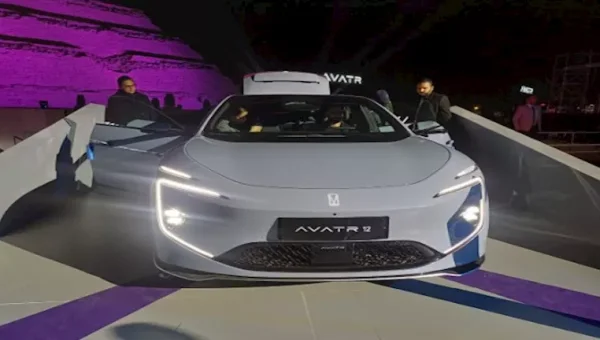
AVATR 12 2027 Launched in Egypt: Prices Start at EGP 3.08 Million
AVATR has launched the 2027 model of its 12 electric coupe SUV in Egypt this November, offered in three trims. Prices start at EGP 3,080,000 and rise to EGP 3,580,000…

3 New Electric Cars in Egypt That Need No Traffic License
Egypt has welcomed three ultra-compact electric cars that require no traffic license, led by the Vibe at EGP 680,000. These vehicles belong to the light quadricycle category with a top…

Essential Tips to Prepare Your EV for Safe Autumn Driving
The guide outlines practical steps to prepare electric vehicles for autumn, from checking tires, lights, and wipers to inspecting brakes and charging equipment. Wet roads can double stopping distances, so…

New Vibe Electric Car in Egypt at EGP 680,000 With No License Required
VIBE Mobility has launched the Vibe ultra-compact electric car in Egypt at EGP 680,000, requiring no traffic license. It features a 17.3 kWh LFP battery, a 20 hp motor, 200…