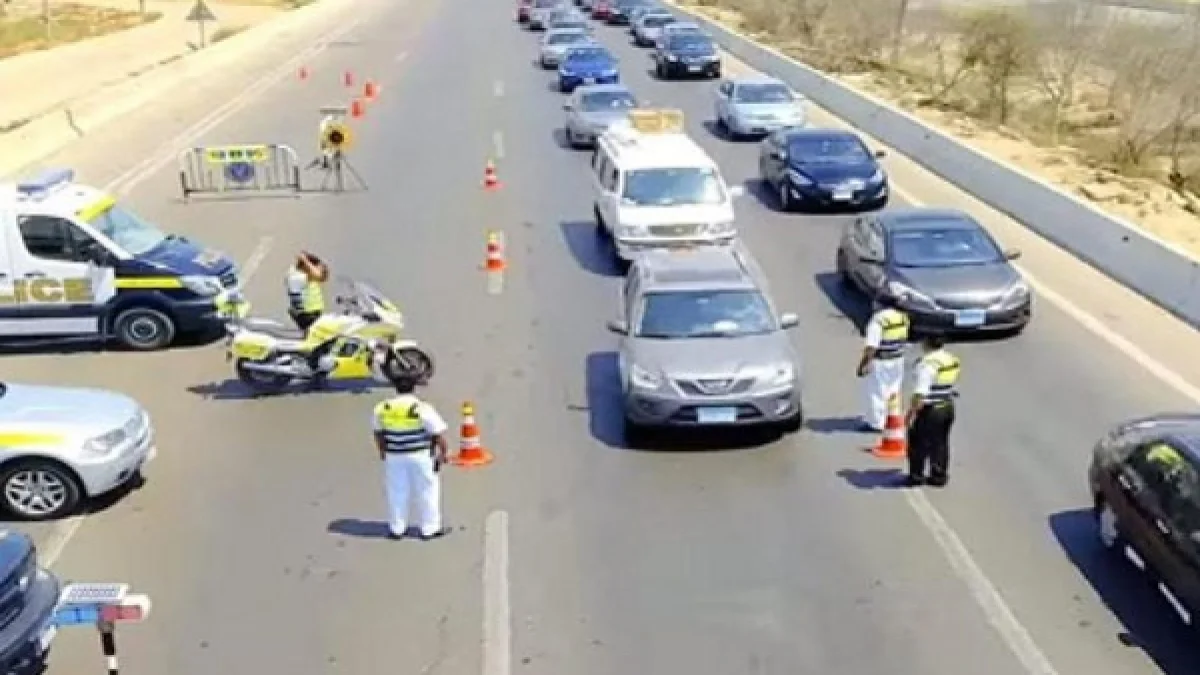
Speeding and Improper Lane Change: Fines Reaching EGP 10,000
Egyptian traffic law stipulates that exceeding speed limits or making improper lane changes can result in fines ranging from EGP 2,000 to EGP 10,000. The General Traffic Department is utilizing a network of fixed and mobile smart radars to detect these violations instantly and accurately. These stringent penalties are part of a broader national strategy to reduce road accidents and protect the lives of all road users on highways and within cities.
The numbers are sobering. Exceeding the speed limit or making an unsafe lane change in Egypt can now lead to a fine of up to EGP 10,000, according to Article (70 bis, second clause) of the traffic law. That's a hefty price for a moment of impatience on the road.
Article 70: The Legal Framework Explained
This specific clause targets drivers who deviate from their designated lane or breach the mandated speed limits, imposing a fine that ranges from no less than EGP 2,000 to a maximum of EGP 10,000. It's a clear legal message. The traffic laws are designed to prioritize safety over speed, aiming to curb the reckless behaviors that lead to fatal accidents on Egyptian highways and inner-city roads. The state's effort to reduce road casualties is clearly reflected in these stringent penalties.
Why such a wide range for the fine? The judiciary and traffic officers need room to escalate the penalty based on the severity of the incident. A slight over-speed on a deserted highway might warrant the minimum, but weaving dangerously through traffic in a school zone could easily command the maximum penalty of EGP 10,000. The flexibility is intentional.
Smart Radar Systems: The Watchful Eyes
Traditional patrols are now backed by a sophisticated network of fixed and mobile radar detection technology. These smart radars are deployed across major highways, arterial roads. City streets, capable of monitoring violations in real-time with pinpoint accuracy. They don't just catch you in the act; they document it.
The system is relentless. It records your exact speed at the moment of the violation, capturing high-resolution images that leave no room for dispute. This technological upgrade means appeals based on technicality are becoming harder to win, and the risk of being caught has increased significantly for all drivers, whether in a private car or a heavy transport truck.
So, what's the takeaway? The math is simple. A single violation starts at EGP 2,000, but if you commit two in a single journey—speeding and a dangerous lane change—you could be facing a combined fine that quickly approaches the EGP 10,000 ceiling. Is saving a few minutes on your commute worth that risk? The road is watching.
Frequently Asked Questions
3 questions answered
Related News
View All News
10 Used Cars Under EGP 1 Million in the Egyptian Market This October
Rising new car prices pushed buyers to the used market in Egypt, where 10 cars are available under EGP 1 million this October. A 2018 Renault Logan starts at EGP…
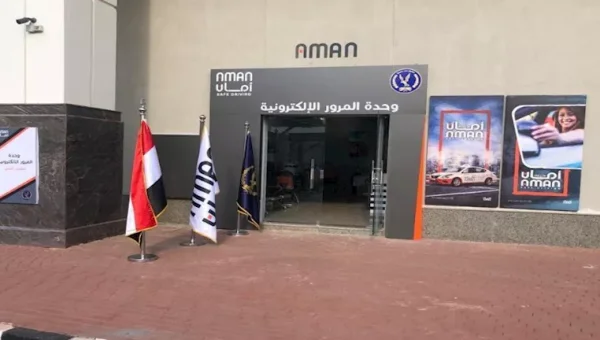
Egypt Cancels Fire Extinguisher and Triangle Requirement for Car Licensing — How Much You Save?
Egyptian traffic units eliminated the requirement to present a fire extinguisher, reflective triangle, and first aid kit when issuing or renewing vehicle licenses. Car owners save between 1,300 and 1,425…
Auto Ahram: A Trusted Platform for New and Used Car Prices in Egypt
Auto Ahram is a specialized website for new and used car prices in Egypt. It provides comprehensive coverage of prices for all makes and models. It is an essential reference…
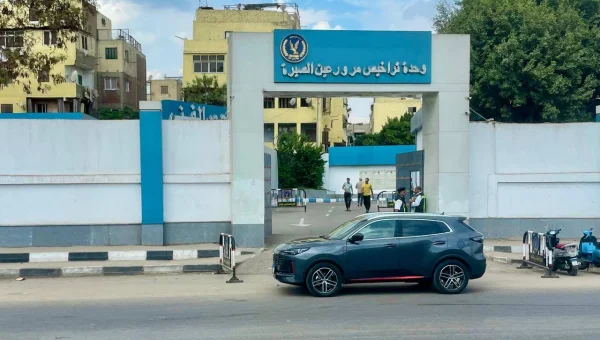
New Presidential Directives to Ease Vehicle License Renewal, Saving Hundreds of Pounds
Media figure Hisham El-Ziny praised new presidential directives aimed at easing vehicle licensing procedures for cars and motorcycles in Egypt. Executive steps by the Ministry of Interior include simplifying procedures…
Safety Expert: Fire Extinguisher, Triangle, and First-Aid Kit Won't Be Mandatory in Licensing if Valid
Major General Dr. Ayman El-Dabaa, a traffic safety expert, stated that fire extinguishers, reflective triangles, and first-aid kits will not become mandatory under Egypt's updated licensing procedures as long as…