Rohan Fernandes Reveals the Secret to Successful Automotive Localization in Egypt
Rohan Fernandes, Chairman of General Motors Egypt and Africa, says the success of Egypt's auto industry should be measured by added value, not sales volume. The Egyptian market is set for a record 2026 with demand rising by around 70,000 vehicles, yet local production's share of total sales has declined despite output growing by 13,000 units. GM builds 95% of its Egypt-sold vehicles locally and calls for moving beyond assembly into advanced components, software, and batteries.
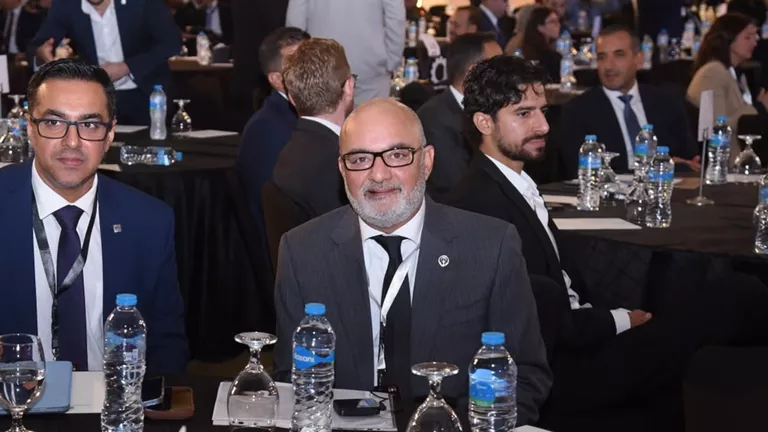
Rohan Fernandes, Chairman and Managing Director of General Motors Egypt and Africa, has revealed that the success of Egypt's automotive localization drive should not be measured by sales volume alone, but by the value the industry adds to the national economy. The key figure here is 95% — the share of vehicles GM builds locally out of what it sells in Egypt. That was the core of Fernandes' message at the Egypt Automotive summit.
Egyptian Market Growth and Local Manufacturing Challenges
The Egyptian market is set for a record performance in 2026. Fernandes pointed to demand growing by around 70,000 vehicles, with momentum continuing through the final two months of the year. Yet the picture isn't perfect: the local production share of total sales has declined even as the number of domestically built cars rose by roughly 13,000 units. That gap demands urgent attention.
So what is the fix? Fernandes insists that coordinated action between automakers and the government is essential, alongside updated policies and regulatory procedures to boost the competitiveness of locally produced vehicles. GM has operated in Egypt for over 40 years and relies on local manufacturing as a cornerstone — but it wants to move to the next phase.
Beyond Assembly: Advanced Components and Software
The next phase requires going beyond vehicle assembly into advanced component manufacturing. Fernandes stressed the need to develop vehicle software, electrical and electronic systems. Batteries, while strengthening engineering and technological capabilities and qualifying local suppliers. These are the elements that separate an assembly operation from a genuine industry.
Egypt's ambition should be to build an integrated automotive industrial hub capable of competing globally, serving domestic demand, and exporting to African and international markets. Fernandes made clear that the future of Egypt's auto industry depends on building a competitive industrial base and deepening local manufacturing to boost the sector's contribution to the national economy.
Frequently Asked Questions
3 questions answered
Related News
View All News
Traffic: Cairo Ring Road, Mariouteya and October Bridge Congested Due to Maintenance Works
Cairo and Giza's main traffic arteries saw scattered congestion this morning during peak hours, with traffic services deployed across the capital. Congestion focused on October Bridge, Salah Salem Axis, and…
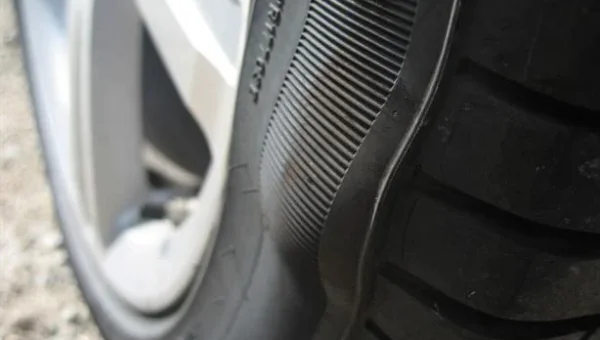
The 'Balloon' on Your Tire: A Dangerous Sign of Sudden Blowout While Driving
Emad El-Feki, manager of a tire maintenance center, warns that sidewall 'balloons' and cracks in tires can lead to a sudden blowout while driving. Even new tires may have fatal…

Egypt's Automotive Exports Surpass $1 Billion as Engineering Sector Hits $5.07 Billion
Egypt's automotive and auto-components exports exceeded $1 billion for the first time in 2025, per the Engineering Export Council. Total engineering exports reached $5.07 billion in the first nine months…

Al Ahly Stars' Cars: A Luxury Mix of European and Chinese Models
Al Ahly footballers own a diverse collection of luxury cars, mixing European premium brands with Chinese models. Emam Ashour drives a 2025 Range Rover Velar and a Mercedes GLC 300.…

Chevrolet Groove Enters Egyptian Production: Official Launch in Hours
General Motors is launching the locally assembled Chevrolet Groove in Egypt at a Wednesday press conference at its 6th of October plant. The car runs a 1.5-liter turbo engine producing…