Nissan and Chery Dominate Local Assembly Market with 60.9% Share
The AMIC report shows Nissan and Chery captured 60.9% of locally assembled car sales in Egypt during the first half of the year, totaling 19,528 vehicles. This concentration reflects a strong shift toward locally produced economy and mid-size vehicles. Forecasts indicate the dominance may continue through the second half, though maintaining quality and customer service remains the key challenge.
Nissan and Chery captured the largest share of locally assembled car sales in the first half of this year, with a combined 60.9% of the market representing 19,528 vehicles. The figures come from the latest report by the Automotive Market Information Council (AMIC), revealing a major shift in Egypt's automotive landscape.
A New Duopoly Takes Shape
The numbers are hard to ignore. The two brands sold nearly 20,000 units in just six months, giving them enormous leverage over local production lines and supply chains. One out of every three locally assembled cars in Egypt now carries either the Nissan or Chery badge — a level of concentration not seen in this market for years.
So what is driving this consolidation? Demand is concentrating heavily in the economy and mid-size segments, where both brands compete aggressively through models like the Chery Tiggo 8 Pro and the Nissan Qashqai. Egyptian buyers are hunting for value above all else, and both automakers are delivering exactly that equation.
Behind the Growth: Local Manufacturing Strategy
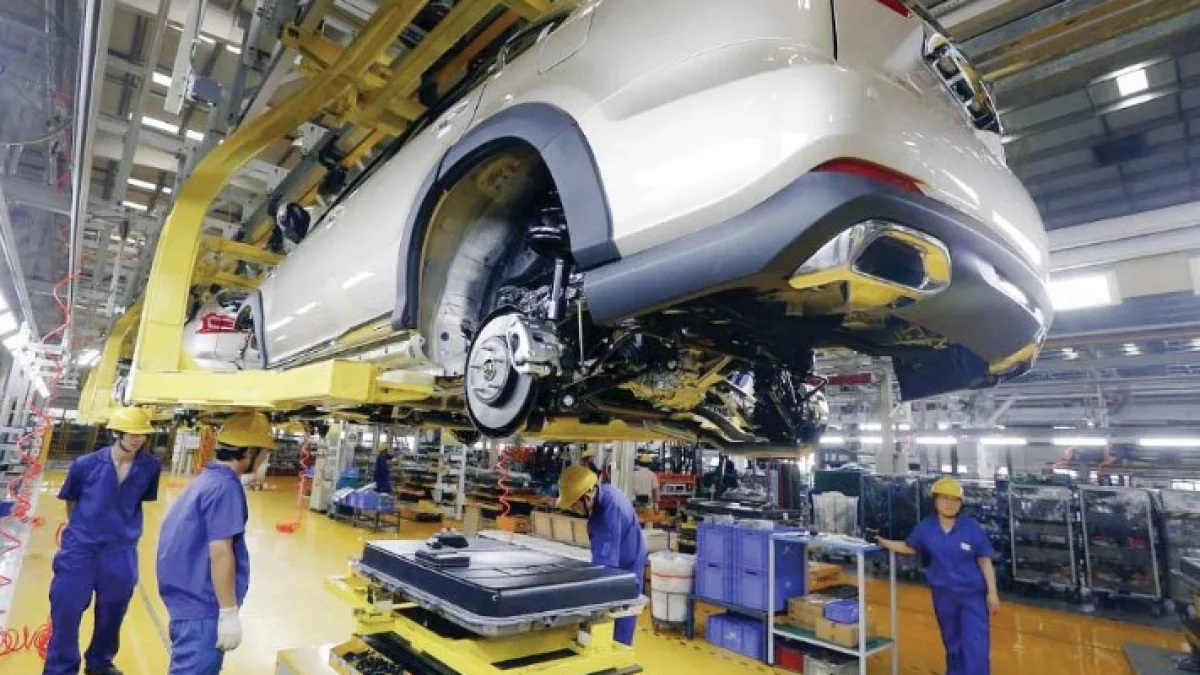
Local production capacity is the decisive factor here. Assembly plants for both brands are running at near-full capacity to meet demand, while reliance on direct imports continues to decline. This strategic shift has helped stabilize prices to some degree despite persistent inflationary pressures and rising costs of imported components.
The competition is watching closely. Automakers like Hyundai and Chevrolet still maintain a presence but with much smaller shares, while Kia works to expand its locally assembled lineup to regain momentum. The market is moving quickly. Today's leadership position could vanish if pricing dynamics shift or new competitive models emerge.
Industry analysts point out that local assembly is no longer an option — it's a necessity amid the foreign currency crunch. Brands that secure robust domestic production lines will be the winners in the coming years, and that's precisely what Chery is doing with its recent expansion moves in Egypt.
What's Next for the Second Half?
Forecasts suggest the dominance will continue, with the share possibly growing even further. But the real challenge remains maintaining quality and after-sales service as volumes increase. The second half of the year will be the true test of whether these two brands can convert quantitative success into long-term customer loyalty.
Frequently Asked Questions
3 questions answered
Related News
View All News
10 Used Cars Under EGP 1 Million in the Egyptian Market This October
Rising new car prices pushed buyers to the used market in Egypt, where 10 cars are available under EGP 1 million this October. A 2018 Renault Logan starts at EGP…
Egypt Cancels Fire Extinguisher and Triangle Requirement for Car Licensing — How Much You Save?
Egyptian traffic units eliminated the requirement to present a fire extinguisher, reflective triangle, and first aid kit when issuing or renewing vehicle licenses. Car owners save between 1,300 and 1,425…
Auto Ahram: A Trusted Platform for New and Used Car Prices in Egypt
Auto Ahram is a specialized website for new and used car prices in Egypt. It provides comprehensive coverage of prices for all makes and models. It is an essential reference…
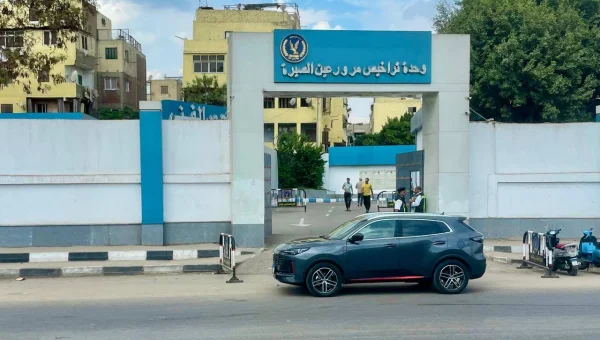
New Presidential Directives to Ease Vehicle License Renewal, Saving Hundreds of Pounds
Media figure Hisham El-Ziny praised new presidential directives aimed at easing vehicle licensing procedures for cars and motorcycles in Egypt. Executive steps by the Ministry of Interior include simplifying procedures…
Safety Expert: Fire Extinguisher, Triangle, and First-Aid Kit Won't Be Mandatory in Licensing if Valid
Major General Dr. Ayman El-Dabaa, a traffic safety expert, stated that fire extinguishers, reflective triangles, and first-aid kits will not become mandatory under Egypt's updated licensing procedures as long as…