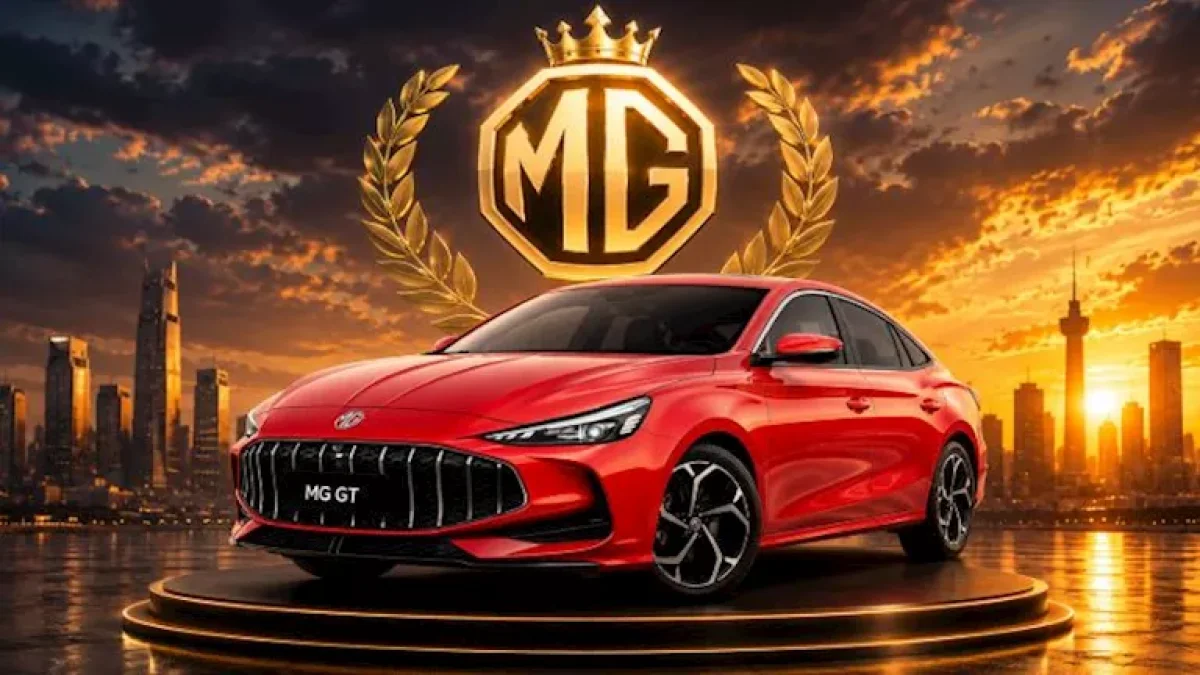
MG Claims Top Spot in Egypt's Car Sales for the First Time in July 2026
A significant shift just shook Egypt's automotive market. MG has claimed the top spot in passenger car sales for the first time ever, overtaking established brands that have dominated the leaderboard for months in a highly competitive landscape.
The numbers tell a compelling story of changing consumer preferences. According to data from the Egyptian Compulsory Vehicle Insurance Pool, MG recorded 1,889 newly registered passenger cars during July 2026, a figure that reflects actual market performance and signals a new era for the industry. The local market is clearly witnessing a transformation in buyer behavior.
Full Ranking of Best-Selling Brands
The gap at the top is remarkably narrow. Chery secured second place with 1,646 units, trailing the leader by just over two hundred cars. The Chinese brand continues to strengthen its position through a wide model lineup spanning sedans and SUVs, backed by aggressive pricing across multiple segments that appeals to diverse buyer demographics.
Korean automakers are holding their ground firmly. Hyundai took third place with 1,572 vehicles, supported by expanding local assembly operations that provide a clear cost advantage. Nissan followed closely in fourth with 1,499 units, leveraging its fuel-efficient models that remain popular among budget-conscious customers seeking reliable transportation.
Perhaps the most striking entry is Jetour's impressive climb to fifth place with 1,458 registrations. The Chinese SUV specialist is posting rapid growth in Egypt. The July figures confirm this upward trajectory is no fluke. Soueast rounded out the top six with 1,209 cars, proving that the old guard can no longer take its position for granted.
What This Shift Means for Egyptian Buyers
Official data paints a clear picture of a market in transition. Chinese brands have evolved from newcomers to serious contenders, while Korean and Japanese manufacturers continue to defend their territory through localized production and established dealership networks. This changing dynamic ultimately benefits consumers, who now enjoy a broader range of choices and greater leverage when comparing vehicles across different price points and feature sets.
Related News
View All News
10 Used Cars Under EGP 1 Million in the Egyptian Market This October
Rising new car prices pushed buyers to the used market in Egypt, where 10 cars are available under EGP 1 million this October. A 2018 Renault Logan starts at EGP…
Egypt Cancels Fire Extinguisher and Triangle Requirement for Car Licensing — How Much You Save?
Egyptian traffic units eliminated the requirement to present a fire extinguisher, reflective triangle, and first aid kit when issuing or renewing vehicle licenses. Car owners save between 1,300 and 1,425…
Auto Ahram: A Trusted Platform for New and Used Car Prices in Egypt
Auto Ahram is a specialized website for new and used car prices in Egypt. It provides comprehensive coverage of prices for all makes and models. It is an essential reference…
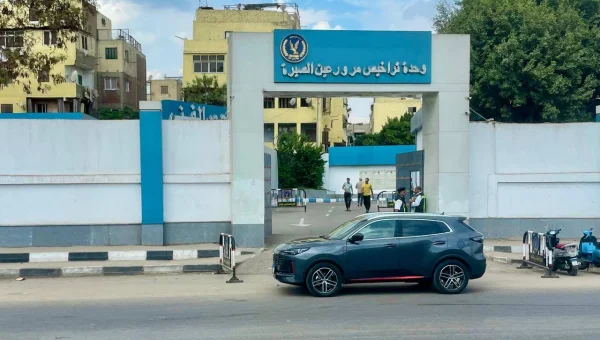
New Presidential Directives to Ease Vehicle License Renewal, Saving Hundreds of Pounds
Media figure Hisham El-Ziny praised new presidential directives aimed at easing vehicle licensing procedures for cars and motorcycles in Egypt. Executive steps by the Ministry of Interior include simplifying procedures…
Safety Expert: Fire Extinguisher, Triangle, and First-Aid Kit Won't Be Mandatory in Licensing if Valid
Major General Dr. Ayman El-Dabaa, a traffic safety expert, stated that fire extinguishers, reflective triangles, and first-aid kits will not become mandatory under Egypt's updated licensing procedures as long as…