Marketplace Car Selling Scams: Don't Hand Over Keys Before the Bank Confirms Payment
Selling a used car on Facebook Marketplace exposes private sellers to a growing wave of bank transfer scams. Fraudsters send convincing fake payment notifications that never arrive in the seller's account. The golden rule is to verify your actual bank balance directly, not trust incoming alerts, and to meet buyers in public or at the bank. A rushed deal is almost always a sign of bad intentions.
Listing a used car on Facebook Marketplace has never been easier or more dangerous. Sellers can reach thousands of potential buyers in minutes without paying a single pound for advertising. Yet the same openness that makes selling convenient also makes it a hunting ground for scammers targeting private sellers rather than buyers.
A recent specialized report on used car sales highlights that protection begins long before posting the ad. The fraudsters' favorite trick involves sending fake bank transfer notifications that appear on the seller's phone, creating the illusion that payment has been completed. The timing is no accident — they rush the seller to hand over the keys before the fake transfer is discovered.
Prepare Smart Listings to Filter Serious Buyers
Success in the used car market depends on an honest and detailed description of the vehicle. High-quality photos and upfront disclosure of any mechanical or cosmetic flaws reduce the chances of endless negotiations later. A buyer who discovers a hidden defect will use it as leverage to demand a drastic price reduction.
Another smart move is sharing the listing in local automotive groups specific to your city or neighborhood. This filters out random scammers and connects you with buyers who are genuinely interested and geographically close.
Expect Repetitive Messages and Lowball Offers
Once the ad goes live, be prepared for a flood of messages — most of them asking the same question: «Is the car still available?» Even though the ad remaining active clearly means it's. Experts recommend preparing a copy-paste reply to save time rather than retyping the same answer dozens of times.
But don't ignore every message automatically. A serious buyer asks specific questions about the engine, maintenance history, or requests a live video call. These are strong signals of genuine interest, not waste of time.
Golden Rule: Verify Your Bank Account, Not the Notification
Once a serious buyer is found, the risk shifts from the ad itself to the payment method. Scammers have perfected the art of sending fake notifications that replicate real bank transfer alerts down to the smallest design detail. The seller opens their phone, sees the notification, and assumes the money is in their account. It never arrives.
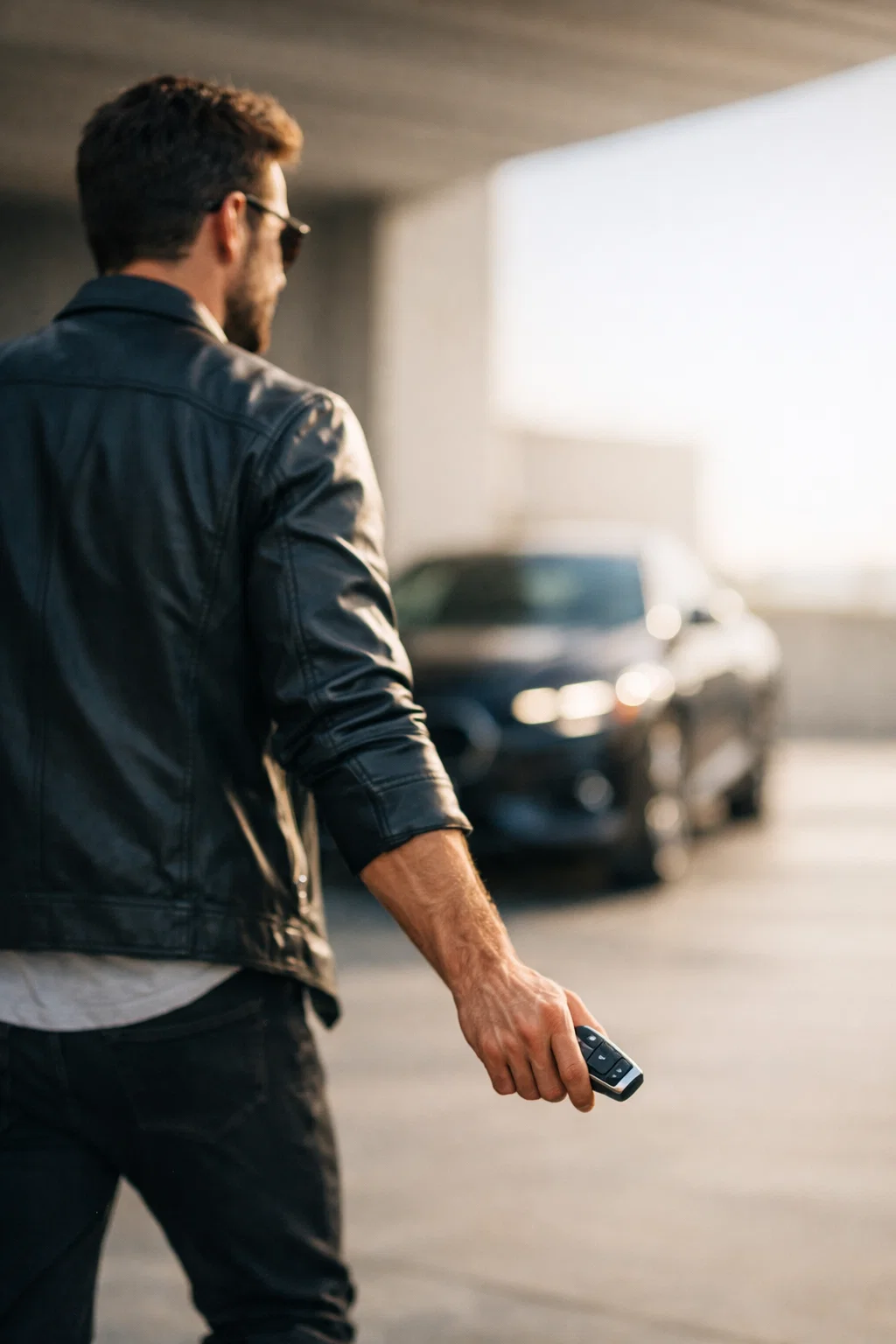
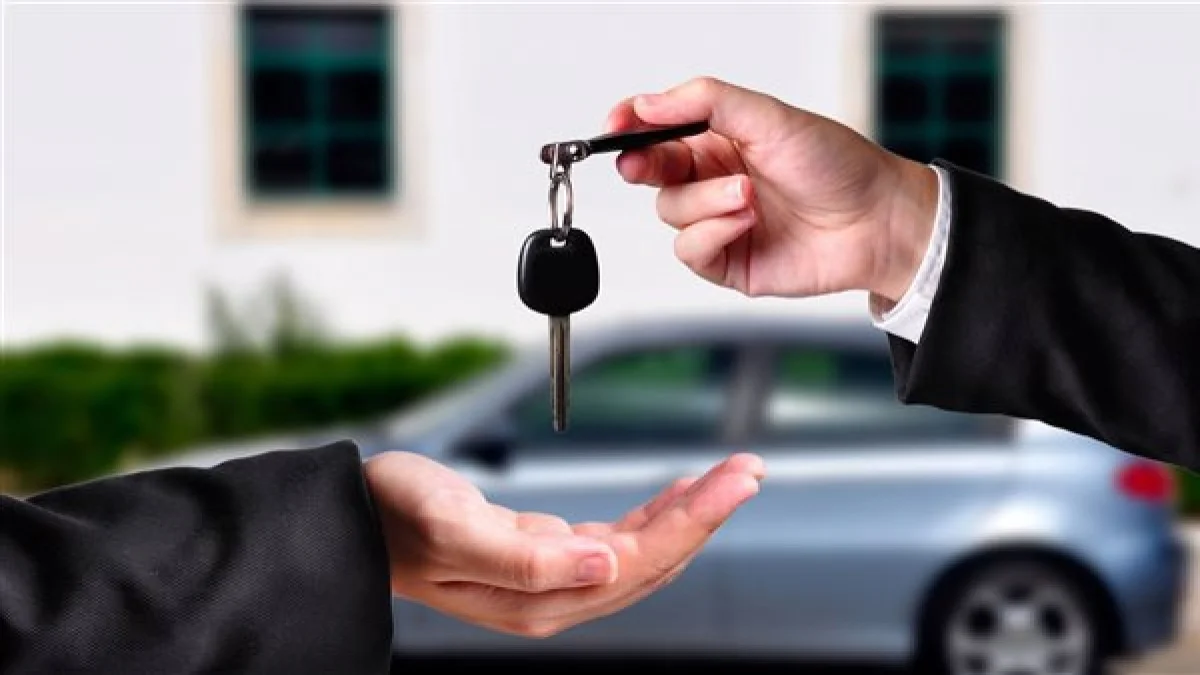
The golden rule is simple: never hand over the keys to any used car for sale without first checking your actual bank balance. Open your banking app or call the bank directly to confirm the funds are available for withdrawal. Do not rely on the notification that was sent to you.
For maximum safety in the Egyptian market, meet the buyer in a busy public location or, better yet, at your bank branch to complete the transfer simultaneously. Any honest buyer will understand and respect these precautions. Those who push for a rushed deal outside normal channels are showing their cards — and their intentions are rarely genuine.
Frequently Asked Questions
3 questions answered
Related News
View All News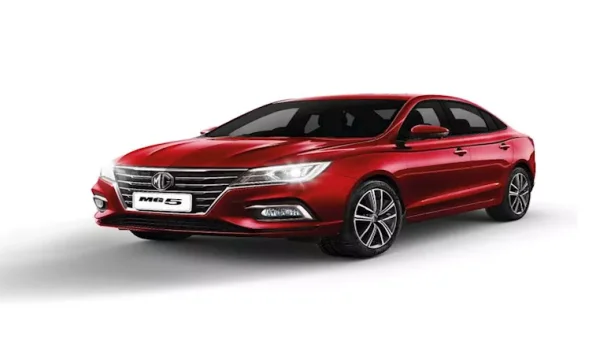
MG Tops Egypt's Private Car Licenses for Third Month, Its Cheapest Models Revealed
MG maintained its lead in Egypt's private car licensing for September 2025 with 2,763 vehicles, surpassing Chery by over 587 cars. The MG5 is the brand's most affordable model in…

Ezz Elarab El Sewedy Offers 2-Year Free Maintenance Ahead of Jaecoo's Official Egypt Launch
Ezz Elarab El Sewedy Group, the Egyptian distributor for OMODA and JAECOO, has launched a free maintenance offer covering two years or 40,000 kilometers for the first 150 customers. The…
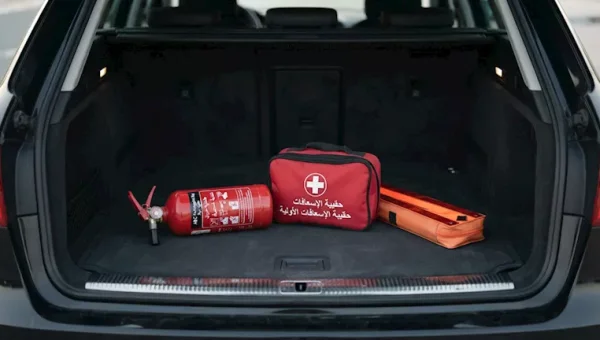
First Aid Kit in Cars: Can It Save Lives in an Accident?
A first aid kit in your car contains essential supplies to handle emergency injuries from road accidents. It can help control external bleeding and cover wounds, but it is not…
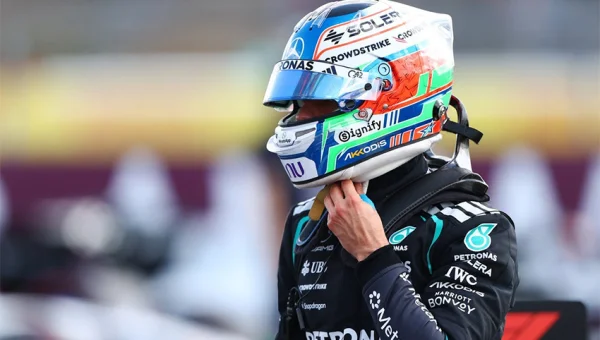
Software Glitch Paralyzes F1 Cars at Sepang as FIA Promises Urgent Fix Before Rainy Singapore
Formula 1 cars suffered a software glitch at the Sepang circuit in Malaysia, causing unexpected power loss, forcing driver restarts during formation laps, and delaying the Bahrain Grand Prix start…
BYD Expands in Egypt with 10 Showrooms and 3 Service Centers in Just 8 Months
BYD led Egypt's electric and hybrid vehicle market in September 2026 with 451 Hybrid/REEV cars and 264 full EVs licensed. This came just 8 months after the Chinese brand officially…