Heavy Traffic Congestion on October Bridge, Ring Road, and Haram as Police Urge Immediate Alternative Routes
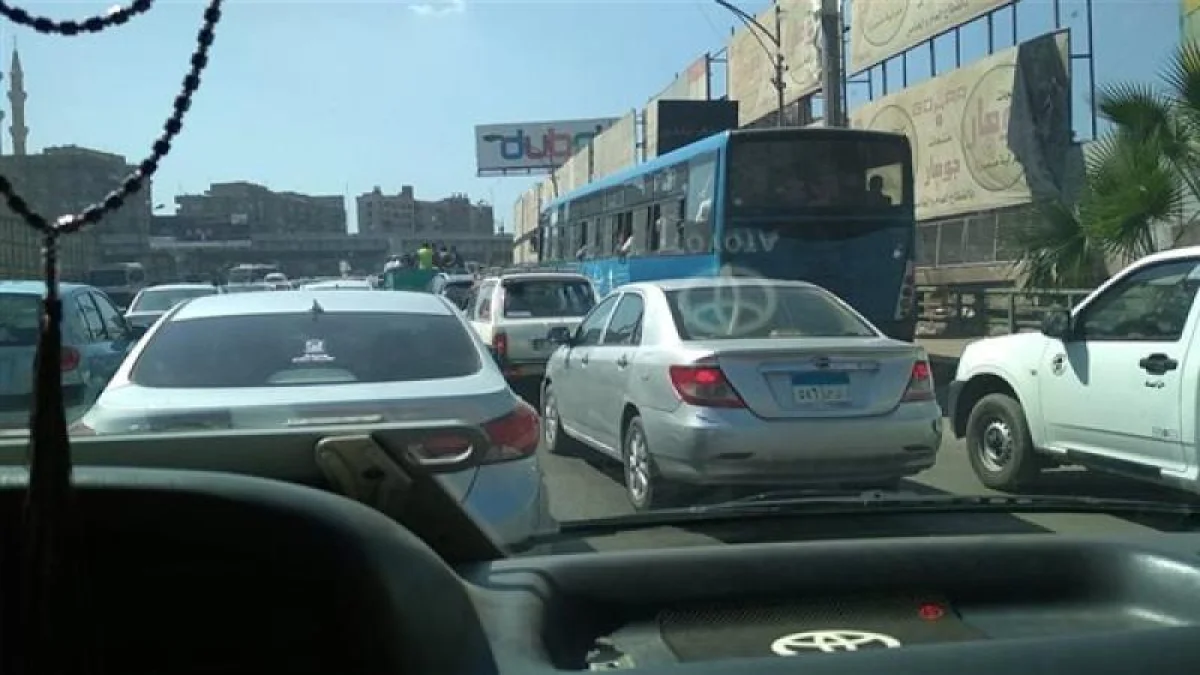
Morning rush hour hit hard. Commuters across Greater Cairo and Giza faced intermittent but heavy traffic densities on major arterial roads during the peak morning hours today, creating a challenging environment for daily travelers. The situation demanded immediate action. Traffic police units were heavily deployed across all critical intersections to ensure citizen safety, maintain vehicle flow, and actively guide drivers toward viable alternative routes before congestion worsened significantly.
Cairo Axes Face Intense Morning Pressure
The October Bridge bore the brunt. Operations room data confirmed exceptionally high traffic volumes in both directions on this vital elevated structure, prompting authorities to strongly advise motorists to utilize the ground-level roads instead to save time. Movement significantly slowed. Movement significantly slowed on the Mokattam descent heading toward Salah Salem Street and the Autostrad, causing frustration among daily commuters, yet traffic kept moving steadily along Salah Salem from Al-Azhar Park all the way to Firdous Bridge, showing some resilience in the broader network. Densities also fluctuated across Nasr City, Heliopolis, Ain Shams, and Ghomria down to Ramses, intersecting with Galaa Street, and from the historic Citadel area down to the Fustat district, reflecting widespread morning pressure across the eastern and central zones of the capital.
Ring Road and Giza Thoroughfares in the Spotlight
Does the Ring Road clear? High traffic densities were recorded on the Ring Road heading from Katameya toward the Central Plateau, disrupting the usual morning commute for thousands of residents. The Ring Road in Marg exhibited severe congestion for vehicles approaching from the Agricultural Road toward the Salam Tunnel, with similar bottlenecks forming inside the tunnel for traffic entering Cairo from other governorates, demanding extreme caution. Intermittent build-ups appeared. Intermittent build-ups also appeared on 90th Street in the Fifth Settlement, specifically for drivers traveling from the Ring Road toward the Downtown area, requiring constant vigilance.
Giza presented unique challenges. Moving traffic densities were observed across key Giza thoroughfares, including Haram Street, Al-Bahr Al-Aazam, and the scenic Nile Touristic Road, demanding careful navigation from all motorists during the peak hours. Driver patience was tested. The Ring Road descent heading toward Upper Egypt, Warraq, and Marioutiya experienced steady but slow-moving queues, while Faisal Street around the Tawabiq area and Sudan Street leading up to Cairo University saw continuous vehicle flow extending to Boulaq and Imbaba without complete standstills, offering a slightly better commute for those navigating the western bank.
Essential Guidance for All Motorists
Alternative routes remain the logical choice. Sluggish movement plagued the Autostrad from Moneeb to Basateen, while the Nile Corniche in Maadi up to the Ring Road and Qasr El Eini Street faced similar frustrating delays for morning commuters. Drivers must heed official guidance. Heavy congestion also gripped Abbas Bridge and the University Bridge heading toward Misaha Square, creating significant backups, and motorists must pivot to ground-level alternatives immediately to avoid being trapped in these predictable morning bottlenecks across the capital.
Thousands of vehicles navigate daily. The continuous presence of traffic services aims to prevent accidents and keep the city moving despite the heavy volumes, ensuring that all citizens reach their destinations without unnecessary hazards or delays, reinforcing the commitment to public safety. Motorists must stay flexible. Checking live traffic updates before departure and choosing ground-level streets over elevated bridges during peak hours can save valuable time and reduce overall stress for everyone on the road today.
Related News
View All News
10 Used Cars Under EGP 1 Million in the Egyptian Market This October
Rising new car prices pushed buyers to the used market in Egypt, where 10 cars are available under EGP 1 million this October. A 2018 Renault Logan starts at EGP…
Egypt Cancels Fire Extinguisher and Triangle Requirement for Car Licensing — How Much You Save?
Egyptian traffic units eliminated the requirement to present a fire extinguisher, reflective triangle, and first aid kit when issuing or renewing vehicle licenses. Car owners save between 1,300 and 1,425…
Auto Ahram: A Trusted Platform for New and Used Car Prices in Egypt
Auto Ahram is a specialized website for new and used car prices in Egypt. It provides comprehensive coverage of prices for all makes and models. It is an essential reference…
New Presidential Directives to Ease Vehicle License Renewal, Saving Hundreds of Pounds
Media figure Hisham El-Ziny praised new presidential directives aimed at easing vehicle licensing procedures for cars and motorcycles in Egypt. Executive steps by the Ministry of Interior include simplifying procedures…
Safety Expert: Fire Extinguisher, Triangle, and First-Aid Kit Won't Be Mandatory in Licensing if Valid
Major General Dr. Ayman El-Dabaa, a traffic safety expert, stated that fire extinguishers, reflective triangles, and first-aid kits will not become mandatory under Egypt's updated licensing procedures as long as…