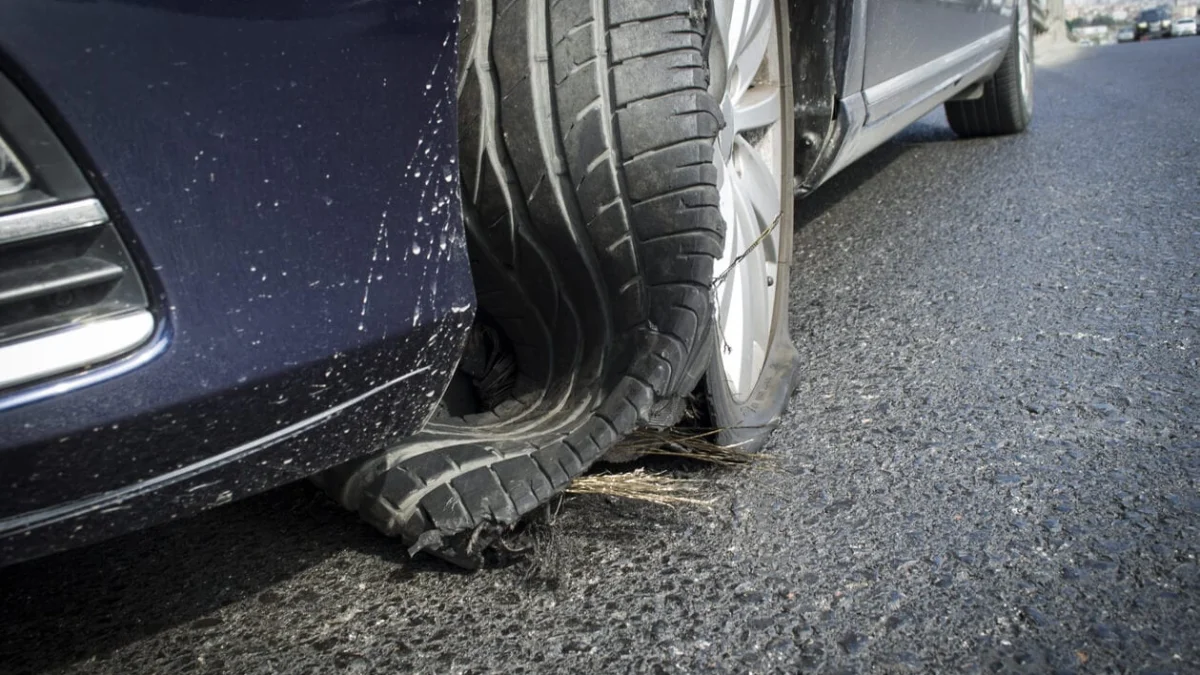
Heat Waves and Tire Blowouts: Simple Mistakes That Threaten Your Road Safety
As temperatures soar during heat waves, the risk of tire damage and blowouts increases significantly, especially during long-distance travel or highway driving. High temperatures cause the air pressure inside tires to rise and strain the rubber components, making any maintenance oversight a potential cause of serious accidents that could endanger drivers and passengers alike.
Check Tire Pressure: The First Step to Protection
Automotive experts emphasize that the first step to protecting tires begins with checking air pressure regularly. Measurements should be taken when the tires are cold, meaning before driving starts or after a long stop. It is essential to adhere to the pressure values recommended by the vehicle manufacturer, as both overinflation and underinflation accelerate tire wear and increase the likelihood of damage while driving.
Visual Inspection and Load Limits
Experts also recommend performing a visual inspection of tires before long trips to ensure there are no cracks, bulges, or embedded metal objects. Monitoring tread depth is equally important, as worn tires lose their grip on the road, particularly in high temperatures. Adhering to the vehicle's designated load limits is just as critical as maintaining proper air pressure. Overloading the vehicle puts excessive strain on tires, raises their temperature further, shortens their lifespan, and elevates the risk of a blowout.
Routine Maintenance and Driving Habits
Specialists stress the importance of rotating tires according to the recommended maintenance schedule and performing wheel alignment and balancing when needed. Uneven wear reduces tire efficiency and affects vehicle stability and fuel consumption. When driving in extreme heat, it is advisable to avoid harsh acceleration and sudden braking, and to take short breaks during long trips to allow tires to cool down, especially on roads where asphalt temperatures are very high.
Parking the vehicle in shaded areas whenever possible also helps reduce tire exposure to direct sunlight, limiting heat buildup in the rubber and preserving its properties for a longer period. Experts confirm that these simple measures not only extend tire lifespan but also improve vehicle stability, reduce braking distance, and lower the chances of breakdowns or accidents during summer driving.
Related News
View All News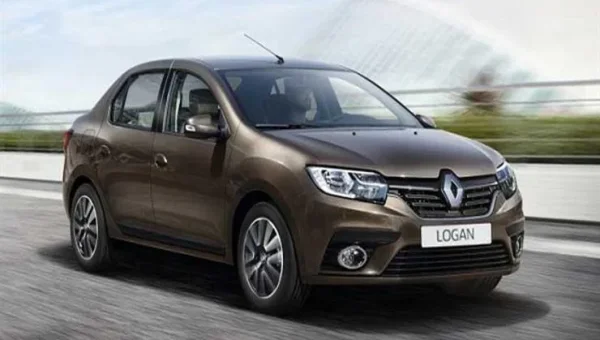
10 Used Cars Under EGP 1 Million in the Egyptian Market This October
Rising new car prices pushed buyers to the used market in Egypt, where 10 cars are available under EGP 1 million this October. A 2018 Renault Logan starts at EGP…
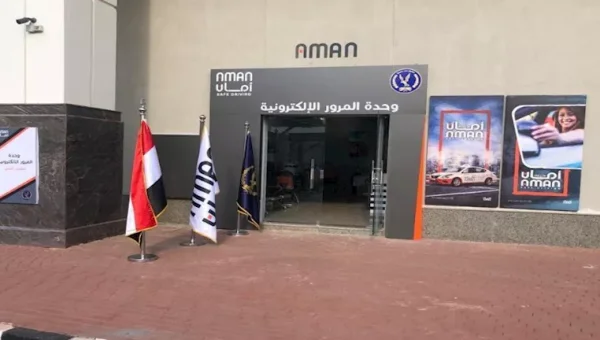
Egypt Cancels Fire Extinguisher and Triangle Requirement for Car Licensing — How Much You Save?
Egyptian traffic units eliminated the requirement to present a fire extinguisher, reflective triangle, and first aid kit when issuing or renewing vehicle licenses. Car owners save between 1,300 and 1,425…
Auto Ahram: A Trusted Platform for New and Used Car Prices in Egypt
Auto Ahram is a specialized website for new and used car prices in Egypt. It provides comprehensive coverage of prices for all makes and models. It is an essential reference…
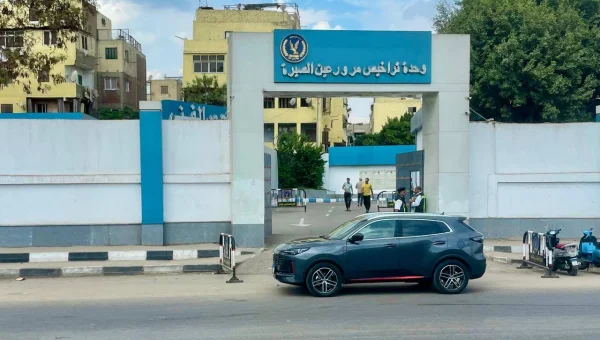
New Presidential Directives to Ease Vehicle License Renewal, Saving Hundreds of Pounds
Media figure Hisham El-Ziny praised new presidential directives aimed at easing vehicle licensing procedures for cars and motorcycles in Egypt. Executive steps by the Ministry of Interior include simplifying procedures…
Safety Expert: Fire Extinguisher, Triangle, and First-Aid Kit Won't Be Mandatory in Licensing if Valid
Major General Dr. Ayman El-Dabaa, a traffic safety expert, stated that fire extinguishers, reflective triangles, and first-aid kits will not become mandatory under Egypt's updated licensing procedures as long as…