

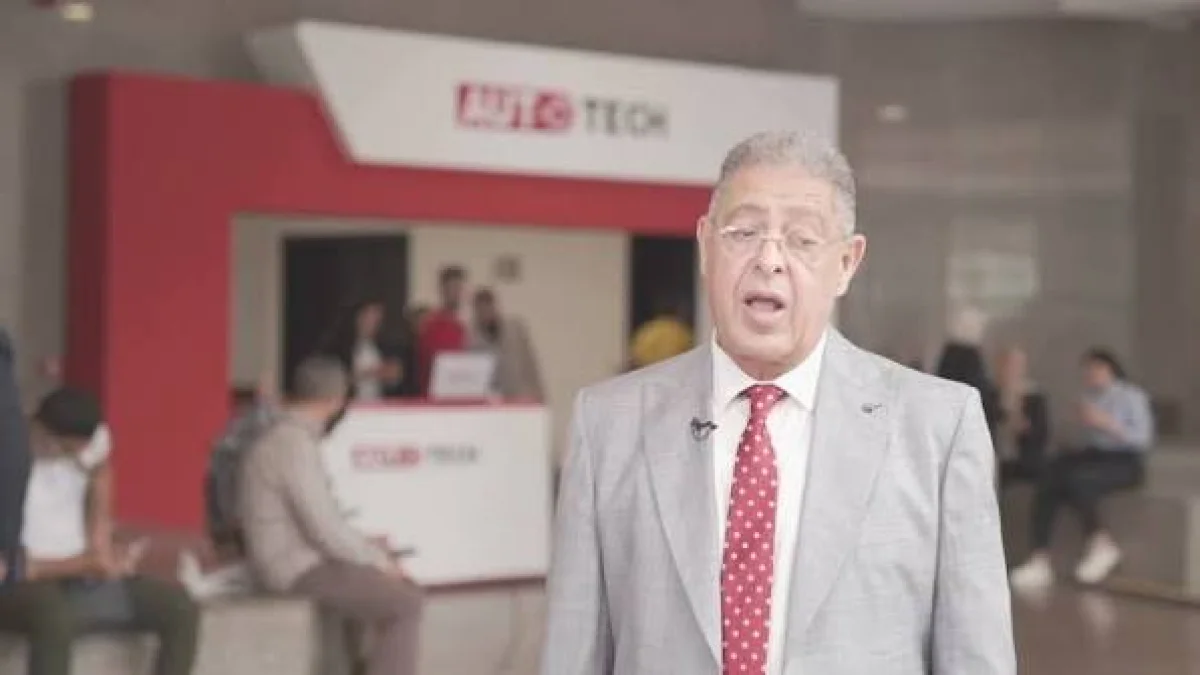
3 New Factories Build Cars with Egyptian Hands — Official: No Foreign Labor Used
Three new car factories have entered service in Egypt using fully local capabilities and labor. Eng. Alaa Salah El-Din, head of the automotive industry unit at the Ministry of Industry, confirmed the plants do not rely on foreign labor and depend on Egyptian talent with ongoing training programs. The move reflects growing local industrial capabilities and the ability of Egyptian expertise to compete globally.
Three new factories have entered service to produce cars with Egyptian hands. The step underscores the growth of local industrial capabilities and the success of Egyptian talent in the automotive sector, according to Eng. Alaa Salah El-Din, head of the automotive industry unit at the Ministry of Industry and advisor to the chairman of the Industrial Development Authority.
New car factories run on local expertise
The three plants began operations with Egyptian capabilities and labor. Salah El-Din said training and qualification programs continue to keep pace with the latest global developments in car manufacturing, adding that Egyptian industrial expertise is available and that engineers and workers face a major challenge to achieve success. Egypt exports its industrial expertise abroad.
Does the industry rely on foreign labor? The answer is clear. The head of the automotive unit confirmed the factories depend entirely on Egyptian hands, with ongoing internal qualification programs to raise worker efficiency and help plants keep up with global technologies and systems used by Hyundai and other brands operating locally.
Continuous training is the backbone of car manufacturing
Continuous worker training is a key element in developing local industry and raising efficiency. Salah El-Din stressed this during an interview on the "Arabity" program broadcast on Radio Egypt, hosted by journalist and media figure Hesham El-Zeiny. The program discusses prices and local manufacturing.
On the long roads between industrial zones, workers across the sector are watching the results of these new plants. The move reflects confidence in local capabilities and opens the door to more investment from Toyota and similar brands seeking an Egyptian manufacturing base. The three factories aren't just numbers — they are a real test of Egyptian talent's ability to compete.
What does this mean for buyers? More locally produced cars could affect the availability of Hyundai prices and other models in the market. But the bigger point is building a real industrial base powered by Egyptian engineers and technicians — exactly what Salah El-Din highlighted when he noted that Egypt exports its industrial expertise abroad.
Frequently Asked Questions
3 questions answered
Related News
View All News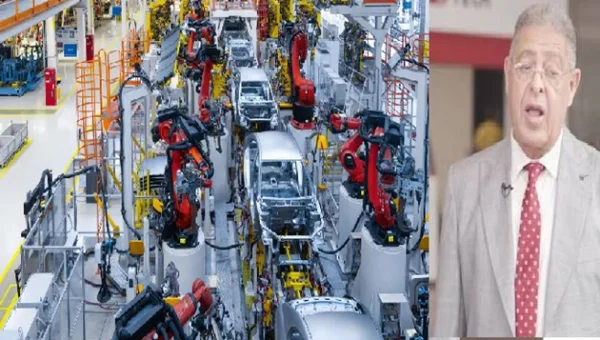
Egypt's Local Content in Cars Jumps to 47%, Targets 60% After 2027
Local content in cars produced in Egypt has risen to 47%, compared with 32% for foreign components, according to Eng. Alaa Salah El-Din, head of the automotive industry unit at…
New Incentives for Auto Parts Industry: Egypt Aims to Boost Production and Exports
Egypt's Ministry of Industry is preparing a new incentive package to support the automotive parts industry, aiming to increase local content and help factories serve car assembly companies. Eng. Alaa…
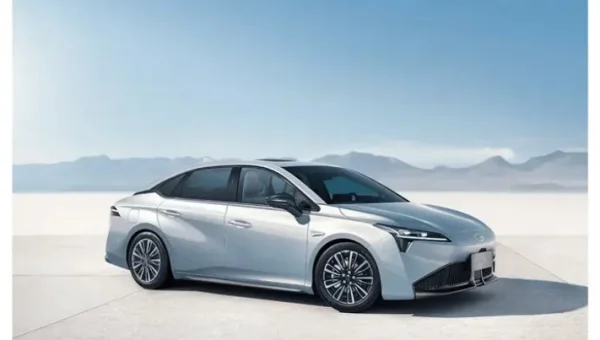
Chinese Brand Aion Enters Egypt with New Local Distributor
Aion, the Chinese electric vehicle brand, is set to enter the Egyptian market after finalizing an agreement with a new local distributor. The brand, founded in 2017 under GAC Group,…
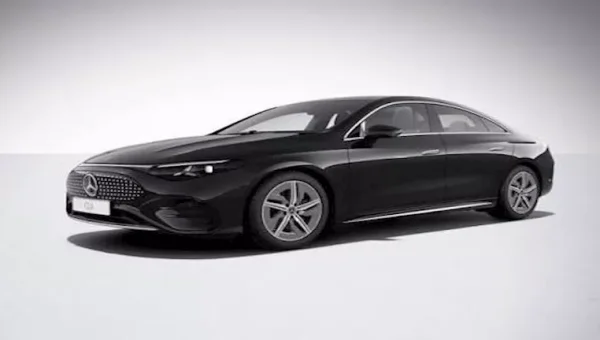
Mercedes CLA 180 Becomes Cheapest Zero-KM Model in Egypt at EGP 2.89 Million
Mercedes-Benz Egypt has launched the CLA 180 in Progressive trim at EGP 2,890,000, making it the cheapest zero-km Mercedes in the Egyptian market this October. The car uses a 1.5-liter…

Egypt's Petroleum Minister Tracks Fuel and Gas Security Amid Global Energy Market Turmoil
Egypt's Minister of Petroleum Karim Badawi held a meeting to review petroleum product and natural gas supplies and consumption rates. The meeting comes amid escalating geopolitical developments and their impact…

