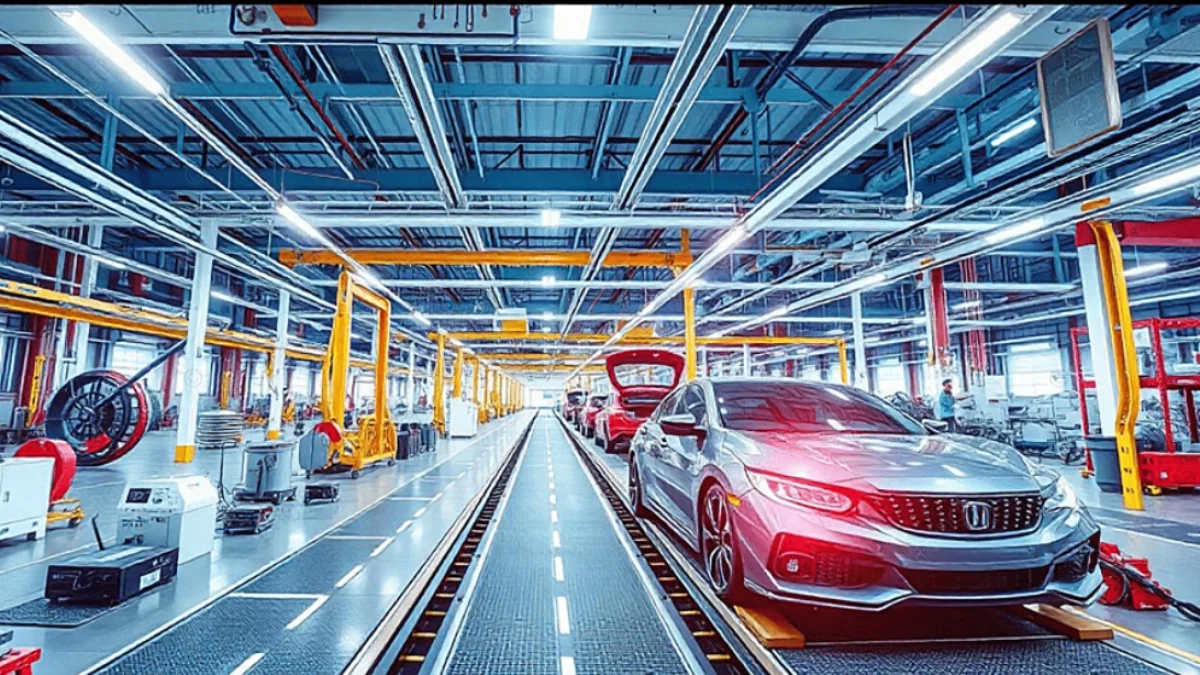
Minister of Industry: Egypt Has Promising Opportunities to Expand Automotive and Components Manufacturing
Egypt's Minister of Industry Khaled Hashem confirmed that Egypt holds promising opportunities to expand industrial cooperation with Japan in automotive manufacturing and feeder industries. He invited Japanese companies to view Egypt as a strategic manufacturing and export hub serving Africa, the Arab world, and Europe. The Industry Strategy 2030 focuses on localizing manufacturing and attracting quality foreign investment. The government offers incentives and streamlined procedures to draw international firms.
Egypt holds promising opportunities to expand joint industrial cooperation in automotive manufacturing and its feeder industries. That's the message Minister of Industry Khaled Hashem delivered during a meeting with a delegation from the Central Japan Economic Federation. The talks focused on areas where Japanese technological expertise aligns closely with Egypt's industrial development priorities.
Technology Partnerships and Local Manufacturing
The minister highlighted Egypt's interest in establishing partnerships for technology transfer, local manufacturing of components. Developing competitive export-oriented industries. He invited Japanese companies to view Egypt as a strategic manufacturing and export hub serving broader markets across Africa, the Arab world, and Europe. The pitch rests on industrial capabilities and a geographic position linking three continents — Africa, Europe, and the Middle East.
Longstanding Egypt-Japan Relations
Egypt and Japan enjoy deep historical ties built on mutual respect, trust. A shared commitment to economic development. The minister noted that Japan has been and remains a valued partner in Egypt's development journey, particularly through its expertise in advanced technology, industrial development, infrastructure, and human capital development. These relationships span decades and cover multiple industrial and technological files.
Industry Strategy 2030 and Localization
Egypt's industrial strategy 2030 focuses on deepening and localizing domestic manufacturing, attracting quality foreign direct investment, expanding the industrial base. Integrating Egyptian industries into regional and global supply chains. These goals intersect directly with the needs of the automotive sector. That relies heavily on imports and needs a strong local components manufacturing base. Localizing feeder industries is a key step toward reducing costs and boosting competitiveness.
Competitive Advantages and Investment Incentives
Egypt offers significant competitive advantages to international investors, including a strategic geographic location, a network of free trade agreements, a large domestic market, growing industrial infrastructure. A young, skilled, and competitive workforce. The government is working comprehensively to continuously improve the business environment, simplify investment procedures, facilitate access to industrial land and infrastructure. Offer incentives aimed at attracting investments in targeted industrial sectors. These incentives could reshape the equation for vehicle manufacturing in Egypt in the coming years.
Private Sector Awaits Tangible Steps
Japanese companies produce components to global standards and hold major shares in international supply chains. Attracting them to the Egyptian market requires more than tax incentives — it demands ready logistics infrastructure, trained talent, and clear import policies. The industry minister pointed to feeder industries for the automotive sector as a particular priority. How quickly these statements translate into action will determine whether Egypt becomes a regional manufacturing hub or remains an import-driven market.
Frequently Asked Questions
3 questions answered
Related News
View All News
El-Leithy: Price Fluctuations and Brand Proliferation Behind Egypt's Auto Sales Slump
Mohamed El-Leithy, chairman of El-Leithy Automotive, said Egypt's car market is witnessing relative calm due to price fluctuations and brand proliferation. The company offers flexible financing programs and is expanding…
Khaled Saad: Chinese Cars Capture 40% of Egypt's Vehicle Sales
Khaled Saad, secretary-general of Egypt's Automobile Manufacturers Association, confirmed that Chinese vehicles represent 40% of local market sales and 35% globally. He noted that major Chinese firms are seeking assembly…

Egypt Suspends Government Car Auctions Indefinitely in Surprise Decision
Egypt's General Authority for Government Services has suspended all government car auctions indefinitely starting November 16, with no official reason given. The decision has raised questions about the fate of…
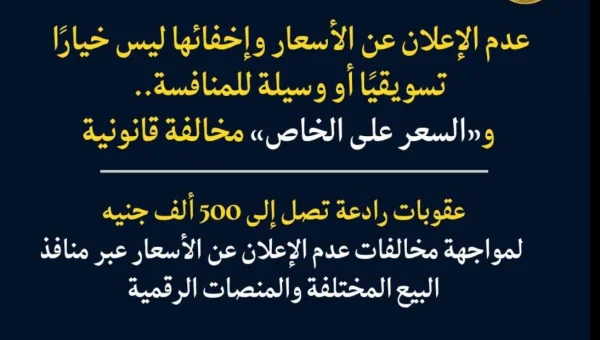
Egypt's Consumer Protection Authority: Hiding Car Prices Behind 'Price on Request' Now Carries a Fine Up to EGP 500,000
Egypt's Consumer Protection Authority has declared that failing to disclose car prices clearly — and using 'price on request' instead — is a legal violation. Fines can reach EGP 500,000…

Egypt Car Dealers Association Demands Delay of Showroom Relocation Decision to 2030 After 250 Showrooms Sealed
Osama Abou El-Magd, head of Egypt's Car Dealers Association, has urged the government to postpone the relocation of car showrooms until 2030 after more than 250 were sealed shut. He…