Egypt's Industry Minister Tackles Auto Parts Sector and Export Growth
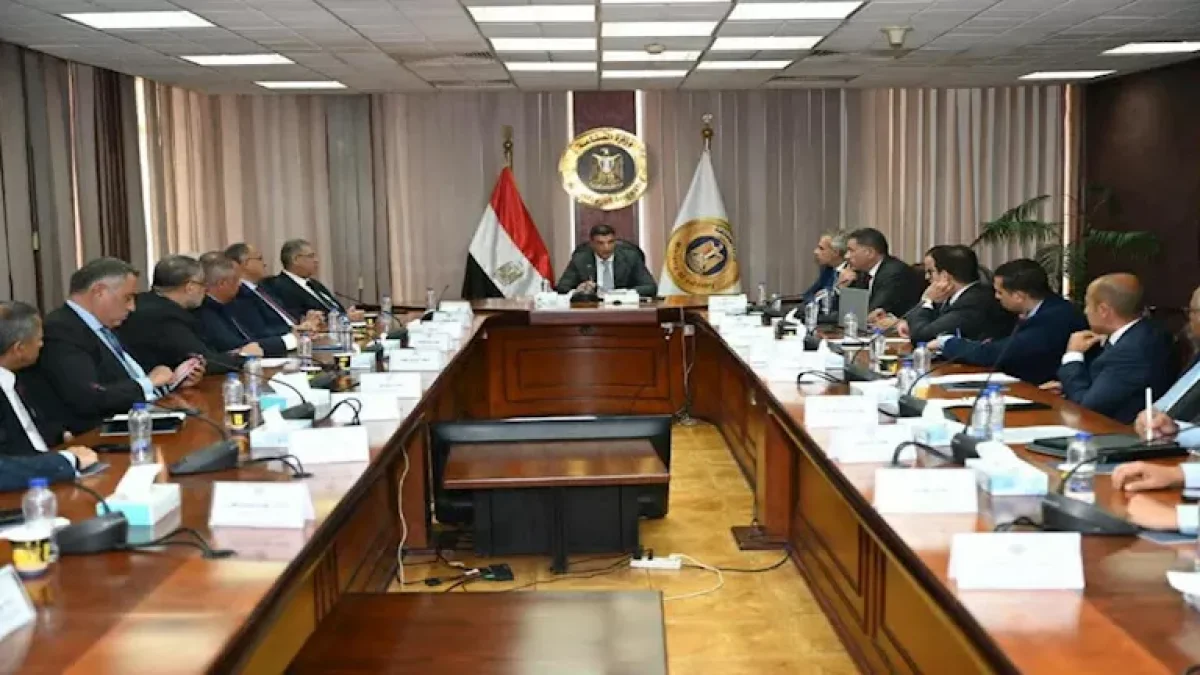
Engineer Khaled Hashem, Egypt's Minister of Industry, held a major meeting with the Federation of Egyptian Industries and the automotive feeder industries division to discuss sector support. The talks covered manufacturer challenges like Egyptian standards and high testing costs, and emphasized exports. The industry extends beyond passenger cars to include buses, motorcycles, and heavy transport with advanced local content ratios. The minister stressed the sector is key for attracting global carmakers and boosting exports.
Egypt's Minister of Industry, Engineer Khaled Hashem, held an extensive meeting with the Federation of Egyptian Industries and representatives of the automotive feeder industries division to discuss sector support and investment opportunities. The meeting focused squarely on boosting export rates and integrating Egyptian products into global supply chains. A key target is achieving high local component percentages across multiple vehicle categories beyond conventional passenger cars.
Challenges Facing Local Manufacturers
Egyptian standards specifications topped the list of challenges discussed during the meeting. The high cost of molds and required product testing procedures came next, alongside the lack of local laboratories capable of issuing official certification for certain products. This forces manufacturers to conduct testing abroad and absorb additional costs.
Manufacturers also raised concerns about industrial licensing procedures and customs release processes for raw materials. These bureaucratic hurdles directly impact factory workflow speed and weaken the competitiveness of local products compared to imported ones.
Local Component Extends Across Multiple Sectors
The meeting confirmed that the automotive feeder industry isn't limited to passenger cars, extending instead to buses, microbuses, and motorcycles. Heavy transport and trailers are also part of this equation, with advanced local component ratios already achieved in several of these sectors.
This diversity reflects the Egyptian industry's ability to meet local market needs with quality, competitive products. Participants pointed to the potential for expanding exports to foreign markets, building on accumulated expertise and available manufacturing capacities. The message is clear: local content is no longer a distant dream, but a reality being built upon.
The sector works quietly, yet it touches every vehicle on Egyptian roads. From small microbuses to large buses and heavy trailers, Egyptian products are penetrating every category with growing strength.
Minister: Egyptian Products Reaching European Markets
Engineer Khaled Hashem emphasized that the ministry targets tangible enhancements in local production and export volumes. Giving the automotive feeder industry top priority stems from its role as the cornerstone for the success of the national program to develop the automotive industry, and a key driver for attracting global manufacturers like Mercedes and BMW to the Egyptian market.
Division officials presented their vision for the next phase, calling for removing obstacles to Egyptian products entering European and African markets. Government commitment to supporting the sector opens the door to a new growth phase in the spare parts industry, which reflects positively on the national economy.
The meeting was attended by Engineer Mahmoud Sarag, Deputy of the Federation of Egyptian Industries, Engineer Mohamed Abdel Rahman, Chairman of the Engineering Industries Chamber, and members of the automotive feeder industries division led by Engineer Tamer Mohamed.
Frequently Asked Questions
3 questions answered
Related News
View All News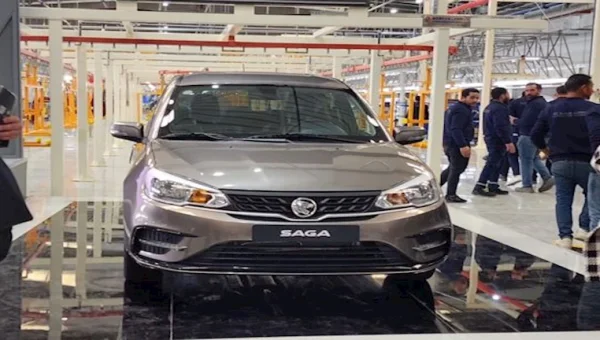
Egypt's Cheapest 5 Locally Assembled New Cars: Prices Start at EGP 685,000
A recent report reveals five locally assembled new cars available in Egypt for under EGP 1 million. The Nissan Sunny leads the list at EGP 665,000, followed by the Chery…
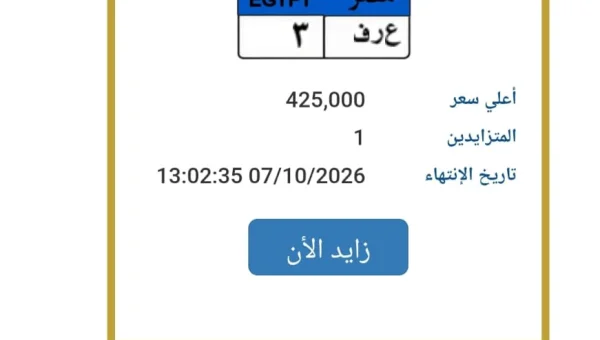
Plate 'A R F 3' Ignites Traffic Auction.. Price Nears Half a Million Pounds
Premium license plate 'A R F 3' has reached 425,000 Egyptian pounds in the traffic auction, with expectations of surpassing half a million before bidding closes next Wednesday. Proceeds go…
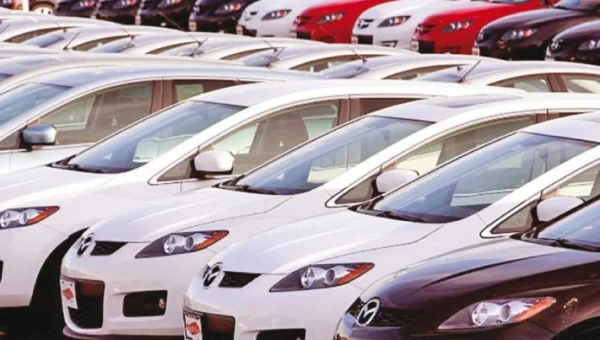
Car Distributors: Agents Tighten Immediate Payment Rules for Monthly Allocations
Several car agents have tightened collection on monthly vehicle allocations, demanding full payment within the first days of each month instead of deferred terms. The shift from credit to cash…

Your Car Without a Fire Extinguisher or First Aid Kit: Can Traffic Police Still Fine You?
Egyptian traffic units began applying new licensing procedures on October 1 that remove the requirement to present a fire extinguisher, first aid kit, and reflective triangle when issuing or renewing…
Traffic Fines by Car Plate: How to Check Violations and File an Online Appeal
Egypt's electronic traffic services now allow drivers to check violations and fines by car plate from home. The process involves logging into the traffic services website, selecting inquiries, and entering…