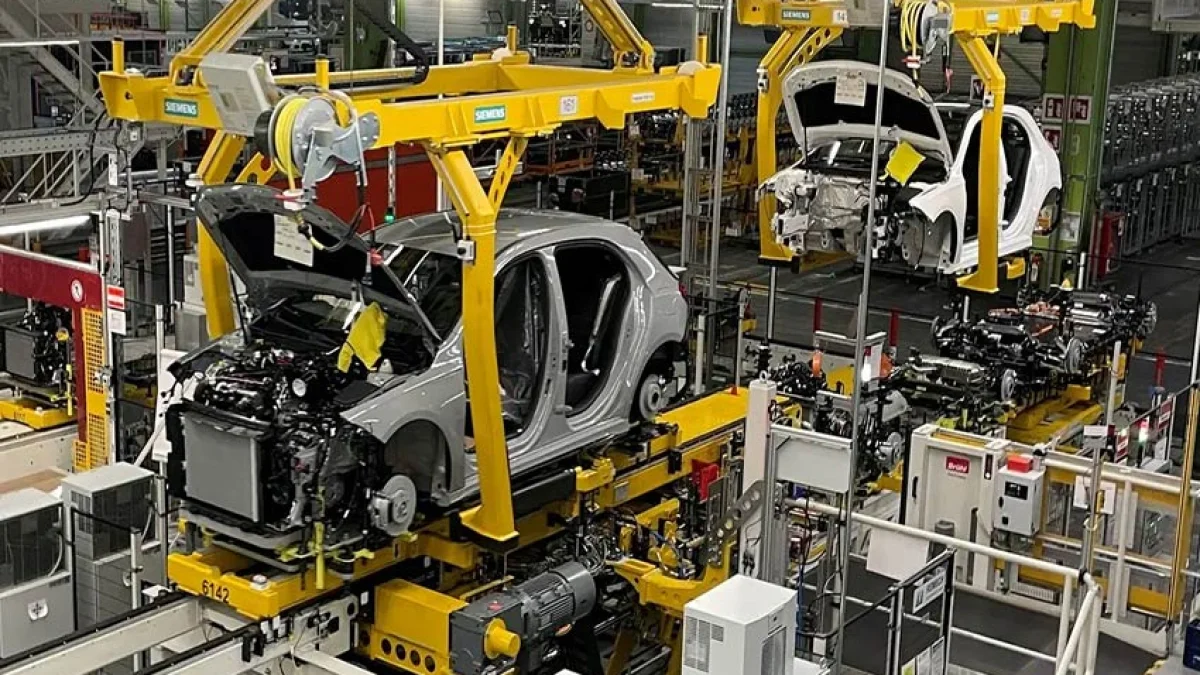
Egypt's New Car Scrappage Initiative: A Boost for Local Auto Industry
The Egyptian government is preparing to launch a new car scrappage initiative coordinated by the ministries of industry and finance. The program offers financing incentives with repayment periods up to 10 years and anticipates lower prices through direct factory sales. Industry experts stress that success depends on price stability and the availability of local components, which would boost production and support feeder industries.
Egypt's government is preparing to launch a new phase of its car scrappage initiative, a move industry experts believe could redraw the market's entire map. Coordinated by the ministries of industry and finance, the program aims to help citizens replace old, fuel-hungry vehicles with modern, efficient ones through incentives and facilitations. Every scrapped car translates into fresh demand for local production, breathing life into assembly lines and feeder factories.
Flexible Financing for a Wider Audience
Hussein Mostafa, an automotive industry expert, sees financing incentives as the make-or-break factor. He points out that comfortable repayment plans — potentially stretching to ten years with suitable interest rates — would ease the monthly burden and bring the decision within reach for more citizens. The real shift here is affordability over time.
Mostafa also highlighted that direct sales from manufacturers to beneficiaries could lead to significantly lower prices. Cutting out distribution layers and middlemen reduces profit margins, resulting in a more attractive final cost for the Egyptian consumer.
Factories Face a New Demand Landscape
The initiative serves more than just the car owner; it offers local companies additional demand to boost production line utilization. According to Khaled Saad, Secretary General of the Automotive Manufacturers Association, this new demand supports expansion plans, encourages investment, and facilitates the introduction of new models to the market.
Higher production volumes naturally increase the demand for local components. That's a critical opportunity for feeder industries to expand, raise their investments, and grow their production capacities. The sector is looking at a potential lifeline.
Price Stability Is the Ultimate Test
Saad raised a decisive point: the program needs clear participation rules and relative price stability. Currency fluctuations previously delayed such initiatives because the industry depends on imported components. A stable exchange rate helps companies determine production costs and plot out clearer pricing strategies, giving consumers the confidence to commit and manufacturers the assurance to deliver on their promises.
Frequently Asked Questions
3 questions answered
Related News
View All News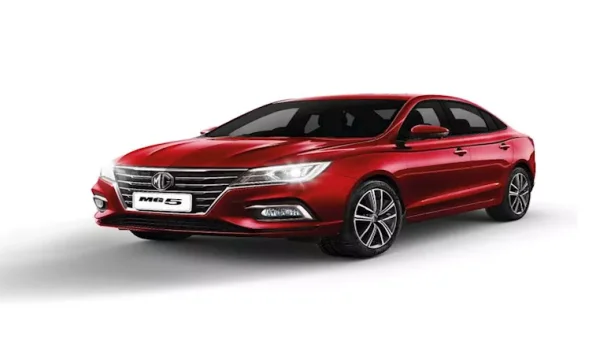
MG Tops Egypt's Private Car Licenses for Third Month, Its Cheapest Models Revealed
MG maintained its lead in Egypt's private car licensing for September 2025 with 2,763 vehicles, surpassing Chery by over 587 cars. The MG5 is the brand's most affordable model in…
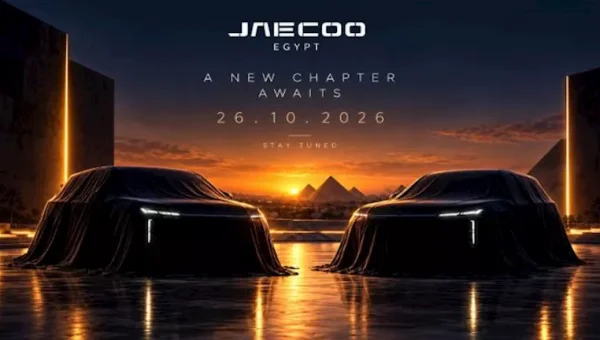
Ezz Elarab El Sewedy Offers 2-Year Free Maintenance Ahead of Jaecoo's Official Egypt Launch
Ezz Elarab El Sewedy Group, the Egyptian distributor for OMODA and JAECOO, has launched a free maintenance offer covering two years or 40,000 kilometers for the first 150 customers. The…
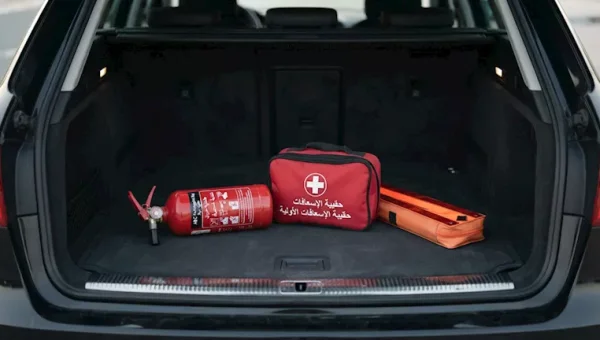
First Aid Kit in Cars: Can It Save Lives in an Accident?
A first aid kit in your car contains essential supplies to handle emergency injuries from road accidents. It can help control external bleeding and cover wounds, but it is not…
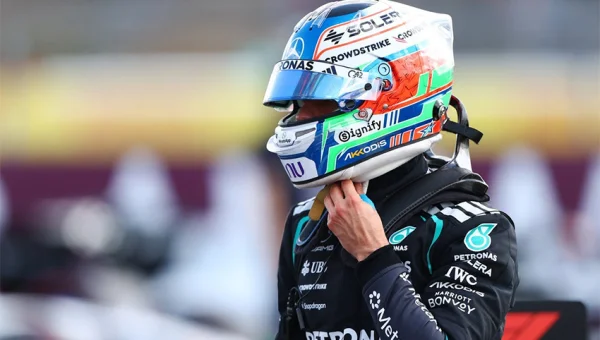
Software Glitch Paralyzes F1 Cars at Sepang as FIA Promises Urgent Fix Before Rainy Singapore
Formula 1 cars suffered a software glitch at the Sepang circuit in Malaysia, causing unexpected power loss, forcing driver restarts during formation laps, and delaying the Bahrain Grand Prix start…
BYD Expands in Egypt with 10 Showrooms and 3 Service Centers in Just 8 Months
BYD led Egypt's electric and hybrid vehicle market in September 2026 with 451 Hybrid/REEV cars and 264 full EVs licensed. This came just 8 months after the Chinese brand officially…