Best Place to Park Your Car at the Beach: Tips to Avoid Sea and Rust Damage
As the summer holiday season winds down and families prepare for the return to school in the coming weeks, many are keen to squeeze in a quick getaway to coastal cities. During these trips, some prefer to park their cars close to the beach for easy access to the sea, while others leave their vehicles for long hours or overnight near the shore, unaware of the negative effects this can have on their cars.
Why Is the Sea a Danger to Your Car?
Although the scene may seem ideal, the coastal environment is one of the harshest for vehicles due to high humidity and salt levels in the air. Key risks include seawater seeping into mechanical or electrical components, which can lead to costly repairs. In some cases, water entering the engine system can cause 'hydrolocking,' directly affecting engine performance and potentially leading to total failure.
Additionally, rust formation accelerates as salt deposits accumulate on the body and metal parts, causing the paintwork to corrode and lose its shine with continuous exposure to sea spray. Electrical connectors and sensors are also affected by moisture and salt over the long term, while the cabin temperature rises due to prolonged direct sunlight exposure.
Best Place to Park Your Car at the Beach
To protect your car during the summer holiday, it is recommended to follow these guidelines: stay at least 20 meters away from the shoreline whenever possible, and use designated parking areas if available near the beach. Avoid leaving the car parked directly next to the coast for long hours or overnight, and choose shaded spots whenever you can.
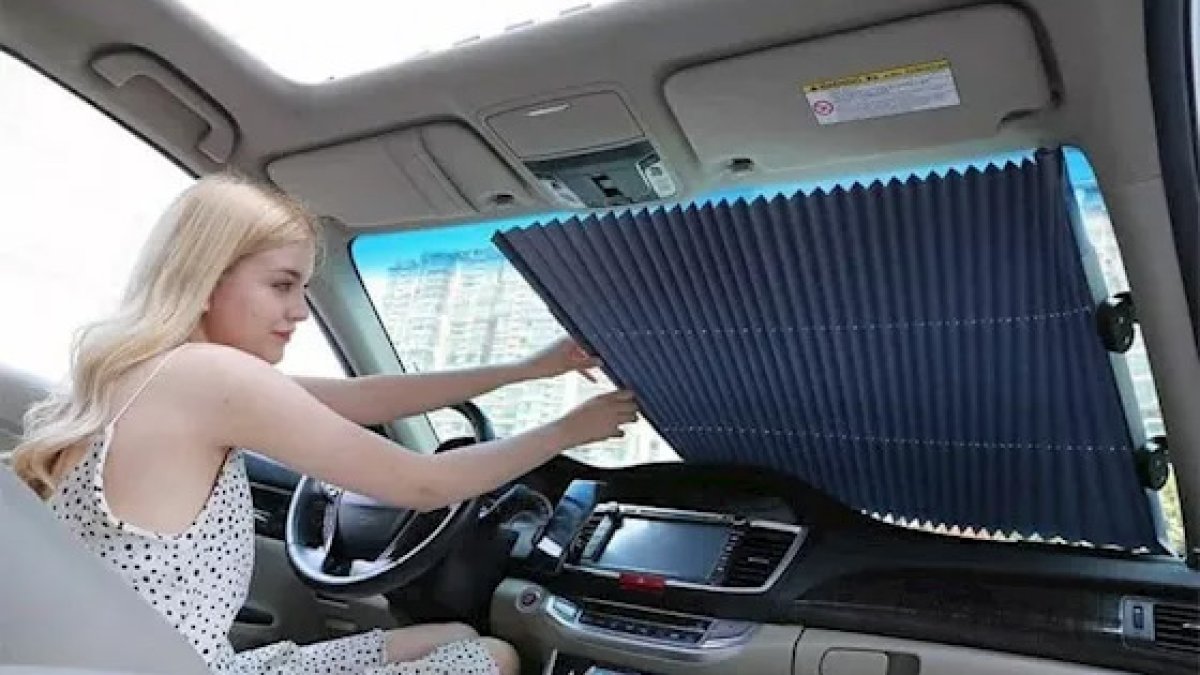
For long stops, use a high-quality car cover and install sunshades on the windshield to help reduce cabin temperature. Keep the car clean by removing dust and sand regularly, and wash it frequently with fresh water to remove accumulated salt deposits on the body. Use a soft cloth and a dedicated car cleaner during the washing process.
Finally, consider using modern protective layers such as nano-ceramic coatings or transparent paint protection film (PPF) to help shield the paint from salt and weather conditions, ensuring your car remains in top condition throughout the holiday.
Related News
View All News
10 Used Cars Under EGP 1 Million in the Egyptian Market This October
Rising new car prices pushed buyers to the used market in Egypt, where 10 cars are available under EGP 1 million this October. A 2018 Renault Logan starts at EGP…
Egypt Cancels Fire Extinguisher and Triangle Requirement for Car Licensing — How Much You Save?
Egyptian traffic units eliminated the requirement to present a fire extinguisher, reflective triangle, and first aid kit when issuing or renewing vehicle licenses. Car owners save between 1,300 and 1,425…
Auto Ahram: A Trusted Platform for New and Used Car Prices in Egypt
Auto Ahram is a specialized website for new and used car prices in Egypt. It provides comprehensive coverage of prices for all makes and models. It is an essential reference…
New Presidential Directives to Ease Vehicle License Renewal, Saving Hundreds of Pounds
Media figure Hisham El-Ziny praised new presidential directives aimed at easing vehicle licensing procedures for cars and motorcycles in Egypt. Executive steps by the Ministry of Interior include simplifying procedures…
Safety Expert: Fire Extinguisher, Triangle, and First-Aid Kit Won't Be Mandatory in Licensing if Valid
Major General Dr. Ayman El-Dabaa, a traffic safety expert, stated that fire extinguishers, reflective triangles, and first-aid kits will not become mandatory under Egypt's updated licensing procedures as long as…