The 50% Rule That Decides Your Car's Fate: When Does It Become a Total Loss?
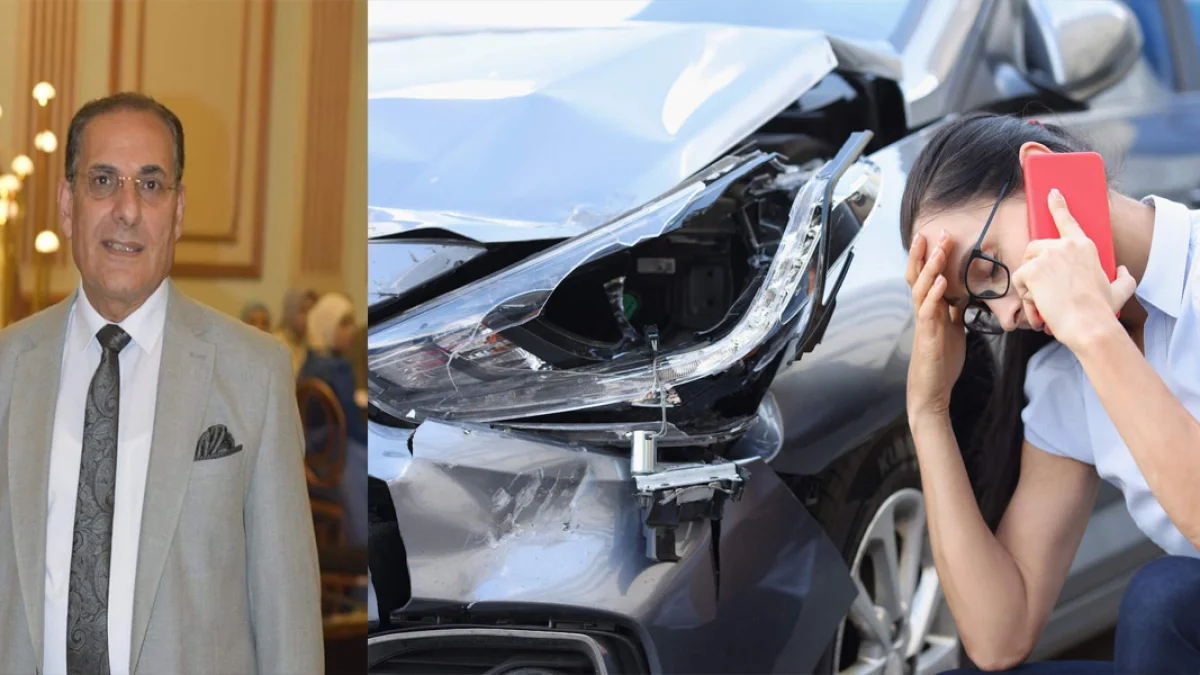
Adnan Al-Nahhal, head of compensation at a major insurance company, revealed that a car is classified as a total loss when repair costs exceed 50% of the insured amount. The client receives the insured value or market value, whichever is lower, and repair requests are handled per policy terms. This rule affects thousands of vehicle claims annually in Egypt.
The number is the dealbreaker. Adnan Al-Nahhal, head of compensation at a major insurance company, revealed that an insured vehicle is classified as a total loss when repair costs exceed 50% of the insurance amount — a rule that decides the fate of thousands of cars every year in Egypt's insurance payouts. The client is entitled to the insured value or the market value, whichever is lower.
A Simple Example
Picture a car insured for one million Egyptian pounds. If repair costs hit 500,000 pounds, it immediately enters total loss. The math is blunt. But here's the question: why do insurers prefer this route over repair? The answer comes down to economic feasibility — fixing the car costs more than its actual market value.
What You Get When It's a Total Loss
What does the policyholder actually receive? Al-Nahhal explained that the client gets the insured value or the market value, whichever is less. This means compensation won't exceed the car's real market worth at the time of the accident. And if the client requests repairs instead, the insurance company handles the claim according to the policy terms.
How to Protect Yourself
On Egypt's highways, where traffic accidents are rising, understanding your insurance policy isn't optional. Review your insured value annually. A 2020 Corolla might drop in market value after three years, but its insured value stays fixed in the contract. That gap affects your payout. Discuss fair market value with your insurer at renewal — don't just accept the written figure.
What It Means for the Car Market
The impact extends beyond the crash. When a car is deemed a total loss, it's sold for scrap or parts, reducing supply in the used car market. Buyers hunting for a clean Nissan or Hyundai face higher prices due to tighter supply. Also, market valuation differs from the insurer's estimate, which sparks disputes.
The Final Call
The client faces two options: cash settlement or repair. There's no third path. Kia parts prices and Mercedes repair costs factor into the decision, but the 50% rule stands. Understanding this percentage protects you from settlement surprises.
Frequently Asked Questions
3 questions answered
Related News
View All News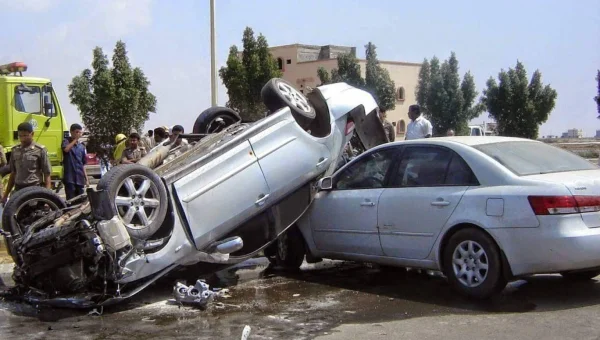
Insurance Expert Reveals Who Owns Damaged Car Parts After Accidents
Adnan Al-Nahhal, Head of Compensation at a major insurance company, confirmed that damaged car parts from accidents can be retained by the client, dealership, or insurance company. The required copay…
Egypt's Fuel Pricing Committee Fixes Gasoline and Diesel Prices Until Year-End
Egypt's Automatic Fuel Pricing Committee has decided to keep gasoline and diesel prices unchanged until the end of the year. The decision followed a review of pricing mechanism factors, exchange…
Cairo Airport Used Cars Auction on October 21: EGP 50K Deposit, EGP 400 Specs Book
Egypt's General Authority for Government Services has announced a major public auction of used cars from neglected, abandoned, and customs-seized lots at Cairo International Airport and Damietta Customs, set for…
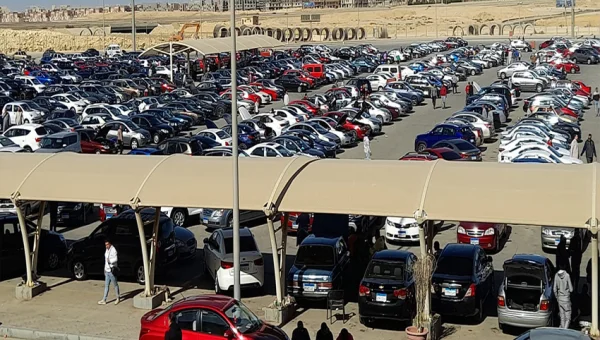
Late 2026 Rebound: Egypt's Used Car Sales Jump 20% with Demand Focused Below EGP 600K
Egypt's used car market rebounded by 20% in the final quarter of 2026, yet sales remained focused on models priced below EGP 600,000. Dealer Fadel Mahmoud noted the market had…
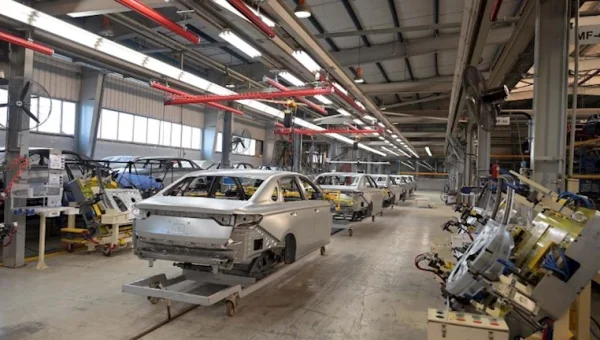
Egypt's Car Assembly Map Expands: Kaiyi, Chevrolet Groove, and Kia Lead the Next Wave
Egypt's car assembly map is expanding with the Kaiyi X3 Pro, Chevrolet Groove, and Kia models entering local production lines. Nissan assembles Sunny, Sentra, and Magnite, while Hyundai produces Accent…