Nissan: Linking Production to Markets and Supply Chain Integration Key to Africa's Auto Industry Growth
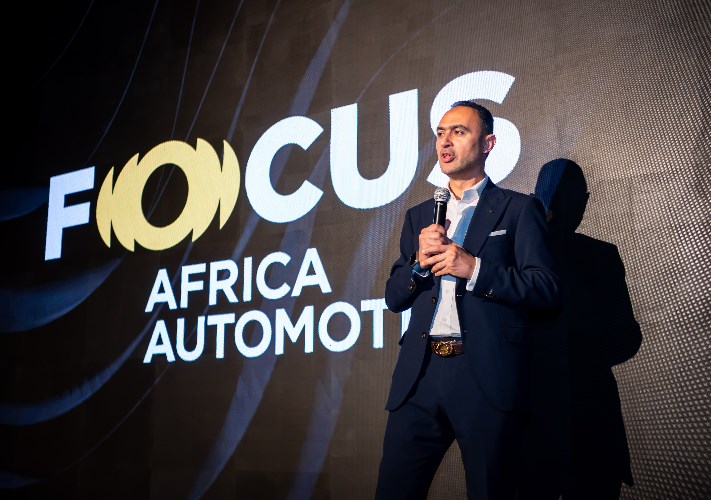
Nissan Egypt concluded its participation in the Alamein Africa Forum as the official mobility partner, where Managing Director of Nissan Africa Mohamed Abdel Samad emphasized that growth in Africa's automotive industry depends on linking production centers to markets and developing more efficient supply chains. Abdel Samad pointed to Nissan's experience in Egypt, including local production of the Nissan Magnite, as evidence of the importance of integrating local manufacturing with supplier base development. He also stressed that Egypt represents a key regional manufacturing hub for African markets, and that improving transport, ports, and border procedures is essential to boosting the competitiveness of African products.
Nissan Egypt wrapped up its participation in the Alamein Africa Forum, with Managing Director of Nissan Africa, Mohamed Abdel Samad, stating that linking production hubs to markets and developing efficient supply chains are the key drivers of automotive industry growth across the continent. The forum brought together government leaders, decision-makers, and investors from multiple African nations. The message was direct.
Nissan Egypt as Official Mobility Partner at Alamein Africa Forum
Nissan Egypt participated as the forum's official mobility partner, a role reflecting the Japanese brand's presence in the Egyptian market and its commitment to supporting African economic dialogue. During the panel titled 'Enabling Trade: Logistics, Value Chains. Industry Across Africa,' Abdel Samad addressed opportunities for boosting intra-African trade and the role of infrastructure in supporting industrial competitiveness. The discussion was not theoretical.
Abdel Samad: African Expansion Depends on More Than Demand
Mohamed Abdel Samad said that expanding into African markets doesn't hinge on demand volume alone, but on the actual ability to connect production centers with markets, develop more efficient supply chains, and facilitate the movement of vehicles and components across borders. He added that developing the industry requires an integrated ecosystem bringing together manufacturers, suppliers, and logistics services, while upgrading local supplier capabilities to match evolving products. The road ahead is long.
Nissan's experience in Egypt — including the start of local production of the Nissan Magnite — reflects the importance of integrating local manufacturing with supplier base development. Abdel Samad confirmed that Egypt represents a key regional manufacturing hub serving African markets, with ongoing work to develop plant capacity and increase production and exports. The message is aimed at investors. The plant is expanding.
Logistics Challenges and Their Impact on African Vehicle Competitiveness
Industrial expansion also requires improving the efficiency of transport, ports, shipping. Border procedures to facilitate the movement of vehicles and components and boost the competitiveness of African products. This particular pillar draws wide attention from manufacturers operating across the continent, because any shipping delay or customs complication raises costs and squeezes margins. Nissan knows this well through its operations in multiple African markets.
During his participation in the 'African Automotive Investment Forum' within the 'CEO Insights' session, Abdel Samad reviewed the future of Africa's auto industry and the importance of regional integration in supporting manufacturing, investment, and trade. Egypt's role in becoming a regional production and export hub was a central theme. The numbers back this direction, as the Egyptian market possesses manufacturing infrastructure capable of expansion if the right logistics are in place. The opportunity exists.
Regional integration isn't a slogan. It's a prerequisite for making African products competitive locally and internationally, while reducing production costs and improving local component quality. The Magnite as a local production experiment in Egypt serves as a practical model for this approach, and a signal that local manufacturing can succeed when supply chains are integrated. The industry is moving.
Frequently Asked Questions
3 questions answered
Related News
View All News
GAC Distributor Opens New Showroom in Sharqia, Reaching 31 Outlets
Jameel Motors, the exclusive distributor of GAC in Egypt, has opened a new showroom in Sharqia Governorate in partnership with AGC Auto, raising the brand's total outlets to 31. The…

General Motors Fires Back at Chinese Rivals: 'We Didn't Come to Watch, We Came to Lead'
Hoorhee Balta, president of General Motors Africa and the Middle East, said the company did not come to the region to watch but to lead, in an interview addressing competition…
GAC Opens New Showroom in Sharqia, Expands Network to 31 Outlets
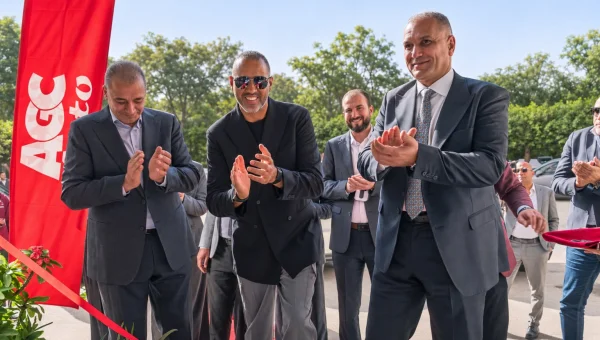
GAC has opened a new showroom in Sharqia Governorate in partnership with AGC Auto, raising its total outlets in Egypt to 31. Located in El-Zohour district on El-Modir Street, the…
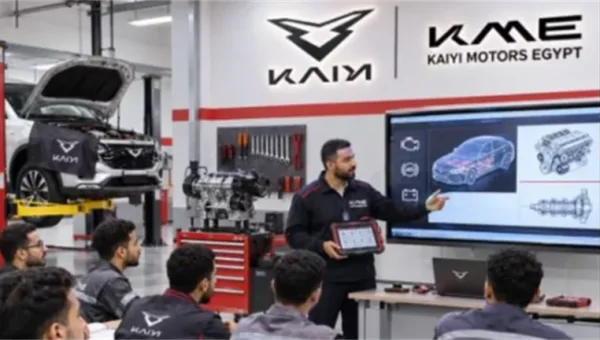
Kaiyi Motors Opens Free Training for Egyptian Auto Technicians in February 2027
Kaiyi Motors Egypt has announced a free training initiative for automotive technicians across Egypt at a specialized center opening in February 2027. The programs cover electronic fault diagnosis, engine and…
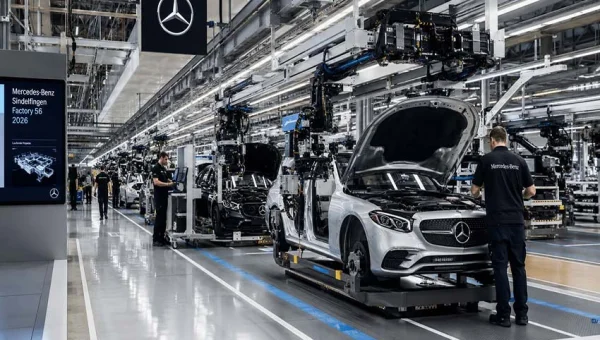
Mercedes Halts Investments in Germany, Factory Closures on the Table
Mercedes has stopped all new investments at its German sites and put factory closures on the table, driven by rising labor and production costs and failed negotiations with unions over…