Nissan Captures 10% of Egypt's Auto Market, Leads October Sales
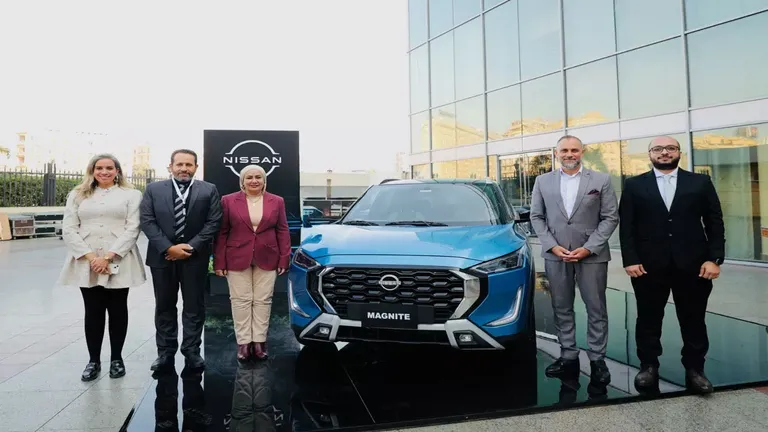
Nissan Egypt announced it led passenger car sales in the Egyptian market with a 13% market share in October and 10% since the start of the year. This achievement comes as the company maintains a localization rate exceeding 55% at its 6th of October factory, supported by a network of 27 local suppliers. Total production has surpassed 360,000 vehicles, with over 25,000 cars exported since 2022 to African markets. Managing Director Sally Salama emphasizes that developing the local manufacturing base is essential for Egypt's automotive competitiveness.
A 13% market share in October and 10% year-to-date. Nissan Egypt announced it led passenger car sales in the Egyptian market last month, as the company continues to strengthen local manufacturing and expand vehicle exports to African markets. The figure reveals a powerful presence for the Japanese brand in a fiercely competitive market.
Nissan Magnite at the Heart of Local Manufacturing Strategy
The announcement came during the company's participation in the 11th Egypt Automotive Summit, held in Cairo under the slogan 'State Vision 2030: Developing the Automotive Sector and Feed Industries,' with the participation of several car companies, component manufacturers, and industry experts. Nissan showcased its local manufacturing experience to attendees, alongside the Nissan Magnite and a range of locally assembled components and spare parts, highlighting the role of feed industries in supporting production. The factory in 6th of October City serves as a regional base for manufacturing and exporting passenger cars to African markets.
55% Localization Rate and Massive Production Numbers
55% is the local content ratio at Nissan's 6th of October factory, the highest in Egypt's passenger car sector according to company data. The manufacturing system relies on a network of 27 local suppliers who contribute to providing and assembling components and spare parts, supporting increased reliance on local industry and strengthening Egyptian suppliers' capabilities. The numbers don't stop there. Total production exceeded 360,000 vehicles, with over 25,000 cars exported since 2022, reflecting the scale of investment in Egyptian production capacity.
Sally Salama: Developing Manufacturing Base Is Essential for Competitiveness
Sally Salama, Managing Director of Nissan Egypt, said that enhancing Egypt's competitiveness in the automotive and export industry requires developing the local manufacturing base, increasing supplier capabilities. Achieving integration among all industry stakeholders to deliver products capable of competing in quality, cost, and production efficiency. Salama's remarks came during a session titled 'Launching for Export: Between Local Assembly and Feed Industry Support,' which discussed Egypt's competitive opportunities compared to other industrial centers in Africa and ways to increase vehicle and component exports. The message is clear: local manufacturing isn't a luxury but a strategic necessity.
What Does This Mean for the Egyptian Market?
The market share achieved by Nissan reflects the success of its local manufacturing strategy in building Egyptian consumer trust. The network of 27 local suppliers helps reduce production costs and shorten supply chains, a critical factor in a market affected by exchange rate fluctuations. Export expansion to Africa also opens a new growth avenue beyond the domestic market. As Nissan prices remain competitive, the company appears to be building a long-term presence in Egypt.
What does all this mean for buyers? Simply that locally assembled cars with over 55% localization may be less affected by import fluctuations, making Nissan a practical choice for many. The company did not disclose specific sales figures per model, but the market share alone tells a clear story about the brand's standing in the Egyptian market.
Frequently Asked Questions
3 questions answered
Related News
View All News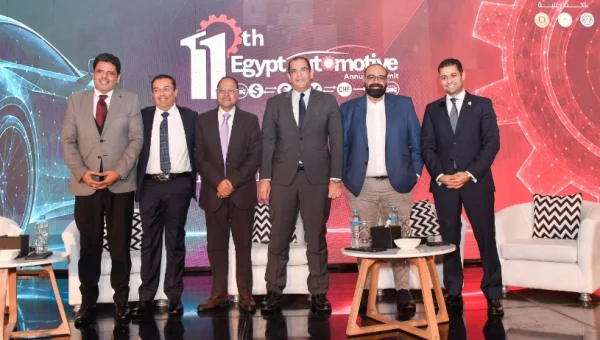
Egypt Automotive 2027: African Integration and Major Funding for Egyptian Car Exports
The 11th Egypt Automotive Summit discussed industrial integration with African markets and plans to boost Egyptian car exports. Afreximbank revealed its strategy to support the automotive industry since 2020, focusing…
Toyota, Nissan and Honda Unify Parts: Steel, Plastics and Wiring by 2027
Toyota, Nissan and Honda have agreed to standardize technical specifications across three core areas: steel quality, plastics and resins, and electrical wiring systems. Implementation of the shared standards begins in…

Omoda and Jaecoo Plan 25 Dealerships Across Egypt by 2027
Omoda and Jaecoo have announced an ambitious distribution expansion plan in Egypt targeting 25 dealerships by the end of 2027. The company currently has 12 dealers and aims to reach…

Omoda and Jaecoo Enter Egypt with European Quality and 5-Star Safety Rating
Ahmed Ali, general manager of Omoda and Jaecoo in Egypt, confirmed both brands belong to the global Chery Group and were developed to penetrate European markets. They achieved success in…
Jameel Motors Aims Beyond Assembly Toward Full Manufacturing in Egypt Before Export
Jameel Motors Egypt regional general manager Karim Abu El-Fadl confirmed the company aims to move beyond vehicle assembly toward full manufacturing and higher local content. The group brings 80 years…