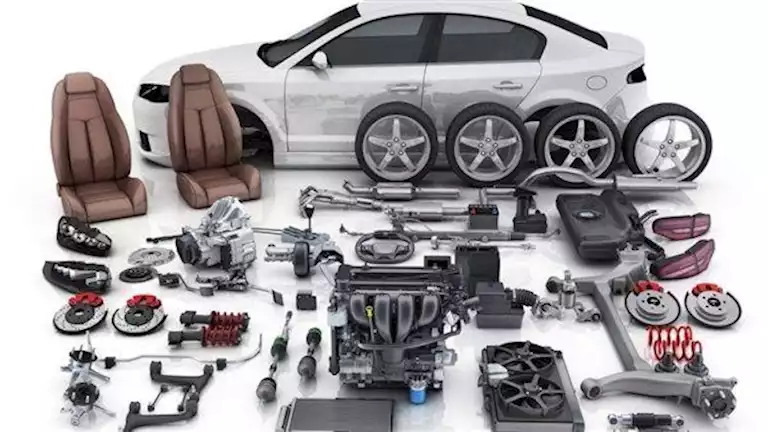
Japan Unifies Auto Parts to Counter China's Growing Dominance
The Japan Automobile Manufacturers Association and the auto parts industry association have launched an initiative to standardize technical specifications for key materials and components in vehicle manufacturing. The move covers steel, plastic resins, and wiring harnesses. The goal is to reduce production costs and accelerate new model development amid rising competition from Chinese automakers. Japanese companies aim to redirect larger investments toward software-defined vehicle technologies.
The Japan Automobile Manufacturers Association and the auto parts industry association have announced a joint initiative to standardize technical specifications for key materials and components used in vehicle manufacturing. The goal is clear: cut production costs, improve supply chain efficiency, and accelerate new model development amid intensifying competition from Chinese automakers.
Three Core Components at the Heart of the Initiative
The initiative aims to reduce technical variations among components used by Japanese automakers. That have traditionally set their own specifications. This diversity forces suppliers to produce multiple parts with different designs and requirements, raising manufacturing and supply complexity. The core components list includes steel, plastic resins, and wiring harnesses. For steel, companies plan to consolidate certain types used in limited quantities to reduce material variety and streamline procurement and production.
Resins and Wiring Harnesses Under the Microscope
Standardizing resin specifications for plastic parts, vehicle bodies, and exterior panels will focus on recycled materials, supporting increased use and supply efficiency. Wiring harnesses, which connect various electronic systems inside vehicles, will see a reduction in types and encouragement of automated production processes, simplifying manufacturing and reducing reliance on highly specialized components.
Cost Reduction and Accelerated Vehicle Development
The two associations believe standardized specs will lower production costs and shorten the time needed to develop new cars, allowing manufacturers to direct larger investments toward advanced technologies. Target areas include software-defined vehicles, known as SDVs, which rely increasingly on software and can have functions upgraded and new features added through electronic system updates.
Frequently Asked Questions
3 questions answered
Related News
View All News
Egypt Automotive 2027: African Integration and Major Funding for Egyptian Car Exports
The 11th Egypt Automotive Summit discussed industrial integration with African markets and plans to boost Egyptian car exports. Afreximbank revealed its strategy to support the automotive industry since 2020, focusing…
Toyota, Nissan and Honda Unify Parts: Steel, Plastics and Wiring by 2027
Toyota, Nissan and Honda have agreed to standardize technical specifications across three core areas: steel quality, plastics and resins, and electrical wiring systems. Implementation of the shared standards begins in…

Omoda and Jaecoo Plan 25 Dealerships Across Egypt by 2027
Omoda and Jaecoo have announced an ambitious distribution expansion plan in Egypt targeting 25 dealerships by the end of 2027. The company currently has 12 dealers and aims to reach…

Omoda and Jaecoo Enter Egypt with European Quality and 5-Star Safety Rating
Ahmed Ali, general manager of Omoda and Jaecoo in Egypt, confirmed both brands belong to the global Chery Group and were developed to penetrate European markets. They achieved success in…
Jameel Motors Aims Beyond Assembly Toward Full Manufacturing in Egypt Before Export
Jameel Motors Egypt regional general manager Karim Abu El-Fadl confirmed the company aims to move beyond vehicle assembly toward full manufacturing and higher local content. The group brings 80 years…