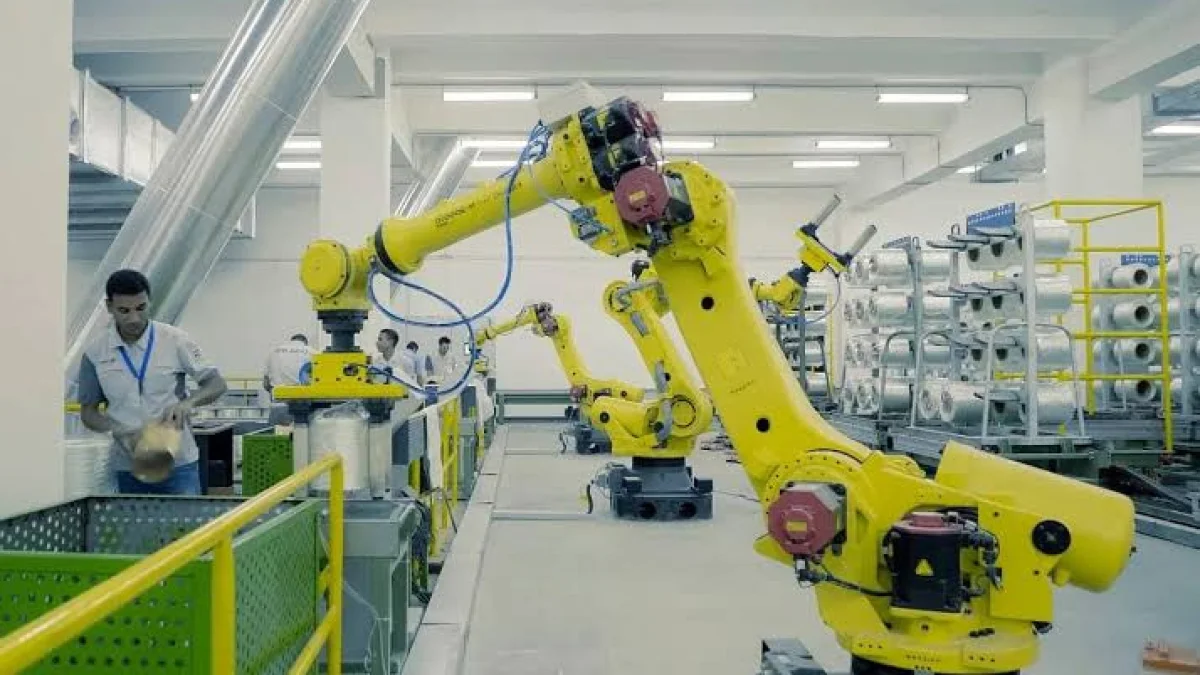
Egypt’s Industry Minister: Skilled Workforce Training Drives Future of Local Manufacturing
The trained workforce is the heartbeat of industry. Egypt’s Minister of Industry, Engineer Khaled Hashem, made that crystal clear during the graduation ceremony of the fifth batch of students from the El Sewedy School of Applied Technology in Deirb Negm, Sharqia Governorate. The minister stressed that investing in human capital and preparing skilled technical workers forms the essential foundation for building an Egyptian industry capable of competing globally.
High-Profile Graduation Ceremony
The event drew a heavyweight crowd. Alongside the minister, attendees included Hassan El-Raddad, Minister of Labor; Engineer Hazem El-Ashmouni, Governor of Sharqia; Marc Bryson, UK Ambassador to Egypt; Engineer Mohamed El Sewedy, head of the Federation of Egyptian Industries; Dr. Nahed Youssef, chairperson of the Industrial Development Authority; and Marine Diallo, executive director of the German-Arab Chamber of Industry and Commerce. A number of prominent industrialists also attended.
Technical Education as Industrial Priority
The minister said technical education isn't just an option — it's a top priority for advancing local industry. The state views industry as the engine of comprehensive and sustainable development. Hashem called on graduates of applied technology schools to take initiative and contribute directly to developing national industries. Especially at a time when Egypt is expanding factory construction and attracting industrial investments at an accelerating pace.
The ministry isn’t focused solely on theory. Hashem explained that the real goal is developing youth skills in advanced technology fields — artificial intelligence, management, and languages — combined with hands-on training inside actual factories. This blend aims to produce cadres capable of meeting the demands of modern manufacturing. Those demands shift fast.
Public-Private Integration
The success of technical education depends on integration between the state and the private sector, according to the minister. He pointed to the key role played by the El Sewedy Foundation, along with the Productivity and Vocational Training Authority and the ministries of education, labor, and military production. The objective is clear: prepare generations that possess the skills the labor market truly needs.
This direction comes at a time when Egypt is expanding into strategic industrial sectors increasingly dependent on trained technical labor. Engineering industries, automotive manufacturing, and technology-based industries are all at the forefront. Applied technology schools have become a critical pipeline for supplying the talent needed to back industrial development plans. The numbers tell the story — and the workforce is the difference.
Related News
View All News
BYD Under US Pressure: The Listing That Threatens Its American Expansion
The US Department of Defense has added China's BYD to a list of companies allegedly linked to the Chinese military, a move that imposes no immediate sanctions but heightens geopolitical…
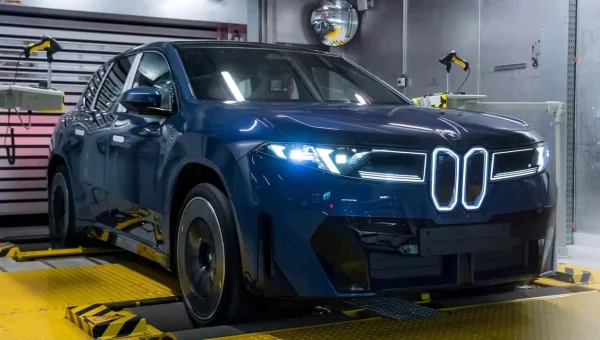
100,000 Orders in One Year: BMW iX3 Forces Debrecen Plant Into Three Shifts
BMW has received more than 100,000 orders for its iX3 electric SUV in Europe during its first year. The surge pushed the Debrecen plant in Hungary from one shift to…
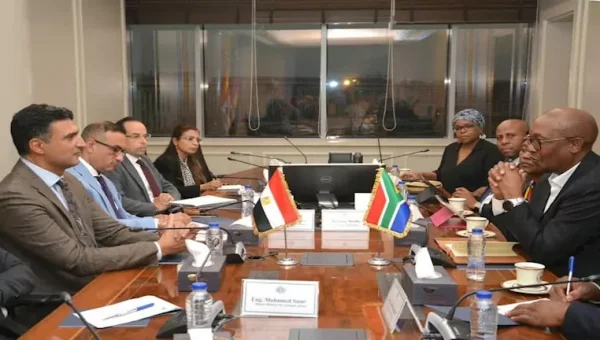
Egypt and South Africa Discuss Boosting Cooperation in Automotive and Components Industry
Egypt's Minister of Industry met with South Africa's Minister of Trade, Industry and Competition to discuss boosting cooperation in the automotive and components sector, building on the African Automotive Investment…
Ahmed Khaled Appointed General Manager of Al-Rayes Automotive
Al-Rayes Automotive has appointed Ahmed Khaled as General Manager. Khaled brings 14 years of automotive experience, having started his career at Kia and held several managerial and technical roles, most…
Ezz Elarab Hosts Exclusive Driving Experience for Lynk & Co 03 in Egypt
Ezz Elarab Group, Lynk & Co's distributor in Egypt, organized 'A Day with the 03' to test the Lynk & Co 03 on a racetrack in Ain Sokhna. Media professionals…