Government Studies New Incentives for Auto Parts Makers to Boost Local Manufacturing
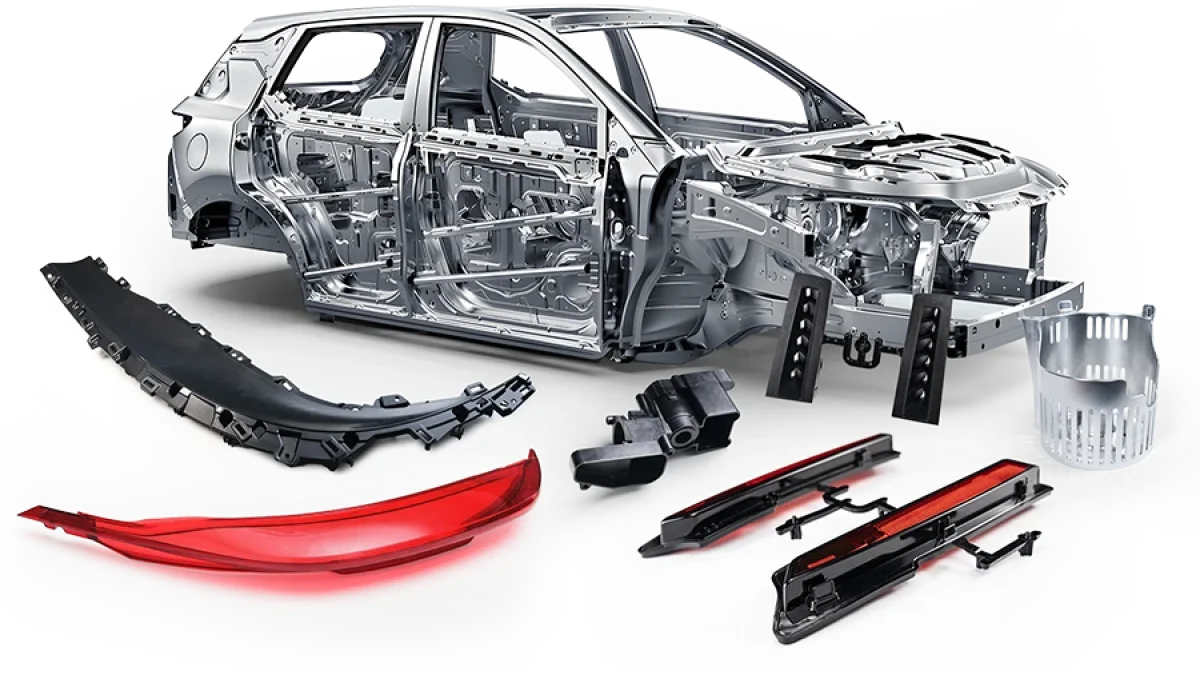
The Egyptian government is considering new incentives for auto parts manufacturers to increase local component content and reduce import dependence. Proposed measures include covering product testing costs and supporting stamping equipment. These non-monetary incentives aim to enhance competitiveness and boost exports of locally made automotive components.
The Egyptian government is studying a new package of incentives for the auto parts industry, a move that could significantly boost local manufacturing and cut import reliance. A recent report reveals an official push to support this vital sector, drawing a parallel to the incentives already granted to complete car manufacturers. The discussions are still in their early phases, but the signals are clear.
Why Auto Parts Are a National Priority
Auto parts are the backbone of any successful automotive industry, and Egypt is no exception. According to the report, the long-term viability of the country's car industry depends on building a robust local components sector — which directly increases the percentage of local content in assembled vehicles. That, in turn, paves the way for exports and supports the broader national automotive strategy. The gap between assembling cars and truly manufacturing them is vast.
Expected Incentives: What's on the Table?
The proposed incentives include government participation in covering product testing costs, as well as support for production equipment specialized in stamping and molds. Crucially, these measures are designed to be non-monetary in nature. Instead of direct cash handouts, the goal is to create a supportive ecosystem for manufacturers. One of the key aims is to help local companies compete effectively against imported components.
Such incentives would directly empower parts manufacturers and their local suppliers, enhancing their competitive edge in the market. The timing is significant — the global automotive industry is undergoing major transformations. Egypt is working to secure its position in the regional and global supply chain. Local suppliers are expected to play a pivotal role in these efforts.
What Does This Mean for Egypt's Car Market?
If implemented, these incentives are expected to raise the local content ratio in vehicles assembled within Egypt — a strategic economic win. It would also reduce the pressure on foreign currency reserves by lowering import bills. Egypt's automotive industry currently relies heavily on imported parts — that's precisely the challenge this initiative aims to tackle. The focus is clear, and so is the government's intent.
The move sends a strong message to investors about the seriousness of developing the auto parts sector. While the final details and timeline for these incentives remain undisclosed, the overall direction underscores that supporting this industry has become a top priority. The real results, however, will only appear in the coming years as these measures translate into a more self-reliant automotive sector.
Frequently Asked Questions
3 questions answered
Related News
View All News
Chery Auto Showcases 20 Innovations in Green Energy Technology at Wuhan Summit 2026
Chery Auto has announced its 2026 International User Summit will run from October 18 to 24 in Wuhan, China, showcasing 20 innovations in green energy and sustainability. The group sold…

Ritu Chandy from Cairo: BMW Is Not for Burnt Discounts
Ritu Chandy, Senior VP of Sales for BMW Group, confirmed from Cairo that the brand will not enter a discount war with Chinese competitors. She highlighted BMW's focus on advanced…

Rohan Fernandes, New GM Chairman, Makes First Cairo Appearance in Exclusive Interview
Rohan Fernandes, the new chairman of General Motors, made his first press appearance in Cairo, granting an exclusive interview to Al-Ahram Auto. The interview reveals GM's new strategy for Egypt…

Renault Cuts 800 Engineering Jobs in France to Counter Chinese Onslaught
Renault plans to cut around 800 engineering positions in France by 2027, about 15% of its total engineers, through a voluntary redundancy program. The company employs roughly 11,000 engineers, half…
Porsche Cayenne Owners in Egypt Get Exclusive Offers with Up to 25% Discount
Porsche Egypt, through its agent SMG, has launched exclusive offers for owners of Porsche Cayenne models that are five years or older. The package includes a complimentary vehicle inspection, a…