Carlos Ghosn: I Won't Sell Nvidia Shares — What He Fears for the Tech Giant's Future
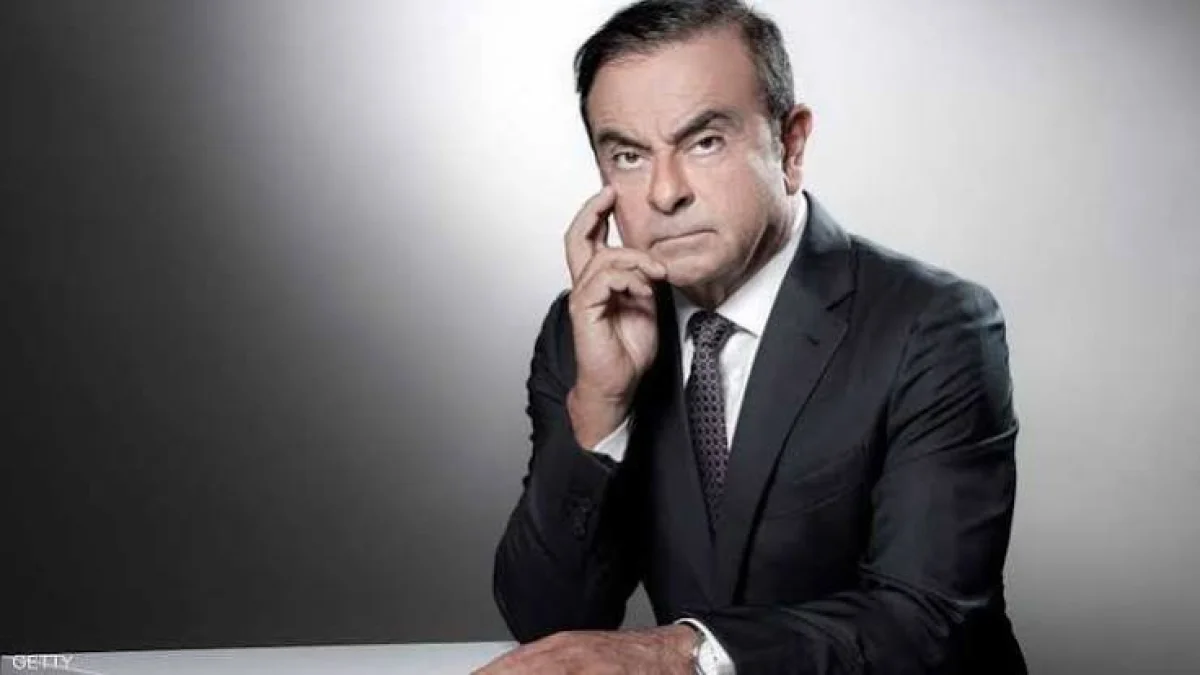
Carlos Ghosn, former CEO of the Renault-Nissan alliance, confirmed he will not sell Nvidia shares if he owns them and will not bet on their decline. His position is not absolute optimism, but a bet on the strength of the company's products and technology. Ghosn fears for Nvidia's future due to the leadership transition after Jensen Huang's departure, believing success depends on an integrated management team, not just a single CEO. His remarks came during the PBD Podcast with Patrick Bet-David.
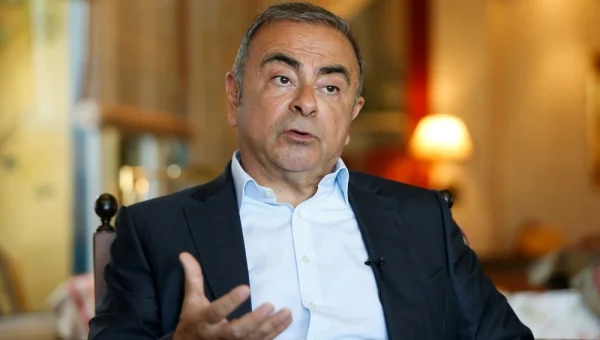
Carlos Ghosn, former CEO of the Renault-Nissan alliance, made it clear: he won't sell his Nvidia shares if he owns any. The statement came during his appearance on the PBD Podcast with host Patrick Bet-David, where he faced a direct question about his strategy toward the American tech giant. The key figure here isn't the share price—it's the identity of the next leader. Ghosn isn't betting on the company's collapse.
Ghosn's stance on Nissan and Nvidia: hold, don't sell
During the episode, Ghosn was asked plainly: would he buy Nvidia shares, hold them, or short the stock? His answer was decisive on one point. Ghosn said he would hold the shares and wouldn't bet on their decline. But this position isn't blind optimism about the company's future. It's a bet on the strength of Nvidia's products and technology, not on short-term market swings. The former head of the Nissan alliance knows well that leading major corporations isn't measured by share price alone.
What Ghosn fears for Nvidia's future
The problem isn't the product. Ghosn explained that Nvidia still retains its core strengths, foremost among them the technological capabilities and products that propelled it to global prominence. What he fears is the leadership transition. The company came under pressure after CEO Jensen Huang's departure. Ghosn believes the judgment on the next phase depends on the identity of the new leadership and its ability to manage the company's immense potential. That's why he said he would prefer to wait and see who takes the helm and the nature of the executive team working with them. The difference is stark between a company that has lost its competitive edge and one that still has strong products but faces a leadership transition test.
Why the CEO alone isn't enough
Ghosn's experience leading the Nissan-Renault alliance makes him keenly aware that the success of major institutions doesn't depend solely on choosing an experienced and competent CEO. It also requires forming an integrated management team capable of working collectively. This specific point is what Ghosn sees as the most critical factor for Nvidia's next phase, not daily share price fluctuations. Individual leadership alone isn't enough for a company of Nvidia's size. That explains his relatively cautious stance despite holding the shares.
The broader context: lessons from the Nissan-Renault alliance
Ghosn's remarks come at a time when major tech companies face mounting pressure from investors and analysts. Ghosn himself lived through the experience of leading a complex alliance between two major automakers, Nissan and Renault. Witnessed firsthand how management can make or break the balance. His position on Nvidia shares reflects a deeply rooted managerial philosophy: don't bet against a company with strong products, but don't give it blind trust without knowing who will lead it. This stance also reflects a realistic reading of the fast-changing tech market. Ghosn did not hide his concern about the transitional phase, yet he did not sell his shares. Holding means faith in the fundamentals; waiting means caution about the unknown.
What this means for investors and market watchers
Ghosn's message is clear: watch the new leadership and don't rush. Nvidia shares may be attractive, but the decisive factor is the new management team and its ability to capitalize on the company's technology and products. Ghosn is waiting to see, and investors may do the same. The company remains strong, but the real test hasn't started yet. Ghosn's position reflects long experience in managing crises and transitions—a lesson that could benefit anyone following the tech market or even the automotive market he knows so well. In the end, holding shares without shorting is a balanced stance between confidence and caution.
Frequently Asked Questions
3 questions answered
Related News
View All News
Tesla Invests €3 Billion to Build One Million Robotaxis in Germany
Tesla announced a €3 billion investment to expand its Grünheide factory near Berlin with a new production building for robotaxis. The company targets one million Cybercab units per year, with…
Industry Minister Inspects Jeans Car Upholstery Plant and Matgar Electric Vehicle Factory
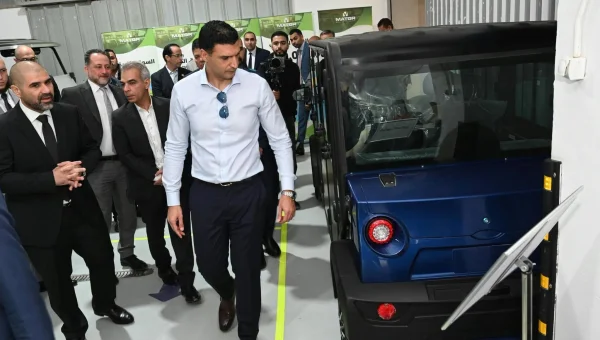
Egypt's Industry Minister Khaled Hashem toured the Jeans Car factory for vehicle upholstery and Matgar Engineering's electric vehicle plant in the Third Settlement. Jeans Car produces 25,000 seats annually with…
Hague Court Rules in Favor of BYD in Land Rover Ti7 Design Dispute
The Hague court has issued an injunction favoring BYD in its legal dispute with Jaguar Land Rover over the design of the BYD Ti7. The ruling requires the British automaker…

Mercedes-Benz Threatens to Close German Plants After Work-Hour Talks Collapse
Mercedes-Benz has suspended all new investments in its German factories and begun studying the possibility of closing some production sites. The crisis deepened after negotiations over raising weekly working hours…
Carlos Ghosn Reveals One Sentence That Can Transform a Difficult Boss
Carlos Ghosn, former chairman of the Renault-Nissan alliance, revealed in a viral video a single sentence that can transform a relationship with a difficult boss: 'Let me help you so…