

Why the 2.0-Liter Engine Became the Auto Industry's Favorite Choice
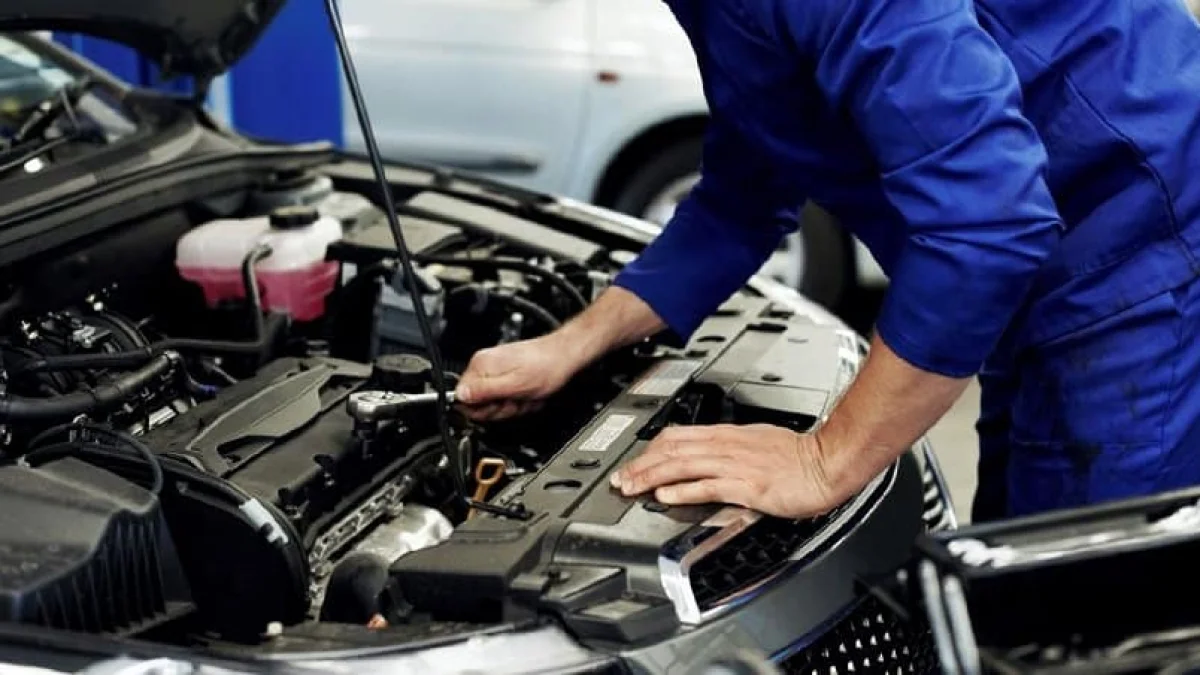
The 2.0-liter four-cylinder engine has become the preferred choice for automakers worldwide. It combines power reaching up to 300 horsepower with improved fuel efficiency thanks to turbocharging. Its compact size offers benefits in weight, space, and production costs. Stricter environmental regulations have accelerated this shift away from larger displacement engines.
The 2.0-liter four-cylinder engine now dominates modern car lineups from family sedans to luxury sports SUVs. This widespread adoption reflects a precise balance between power, consumption. Production costs that engineers consider the sweet spot. The same displacement can deliver anywhere from 150 horsepower in economy versions to over 300 horsepower in turbocharged performance variants.
Modern Technology Flips the Equation
Major advances in turbocharging and direct fuel injection have completely reshaped the landscape. A relatively small engine now delivers performance once reserved for larger V6 units, while reducing friction losses and improving fuel efficiency notably. This philosophy is known as engine downsizing, a strategy now adopted by nearly every major automaker worldwide.
Early engineering demonstrations proved that a 2.0-liter turbo could match the output of a 3.3-liter V6 engine. These results pushed manufacturers to standardize around this architecture, enabling shared components across multiple models. The outcome is lower development costs and faster production cycles across entire vehicle families.
Weight and Space Advantages in Design
The compact footprint of an inline-four gives designers exceptional flexibility when packaging components within the engine bay. This advantage translates directly into more cabin space and better suspension geometry, with additional room for auxiliary systems. Reduced weight from fewer cylinders helps cut fuel consumption and lowers carbon emissions significantly.
Lower internal friction in four-cylinder engines compared to their larger counterparts represents another efficiency gain. Manufacturers exploit these characteristics to offer diverse lineups ranging from economical hatches to premium SUVs. Toyota and Hyundai are among the brands embracing this trend aggressively across their recent portfolios.
Environmental Regulations Reshape the Future
Growing regulatory pressure on emissions and fuel economy proved to be the decisive factor in this historic shift. Governments worldwide enforce stricter standards that effectively force automakers to phase out larger engines in favor of smaller, more efficient alternatives. This movement extends beyond European markets into emerging economies where Chery and Geely lead with 2.0-liter turbo models.
The bottom line is clear: the 2.0-liter engine is no longer a middle-ground option but the main gateway through which modern vehicles pass toward a more efficient future. This trend will continue with mild-hybrid systems built around the same displacement, cementing its role as the foundation for next-generation powertrains. The global market is witnessing a structural transformation in engine design, with 2.0 liters at the very center of this evolution.
Frequently Asked Questions
3 questions answered
Related News
View All News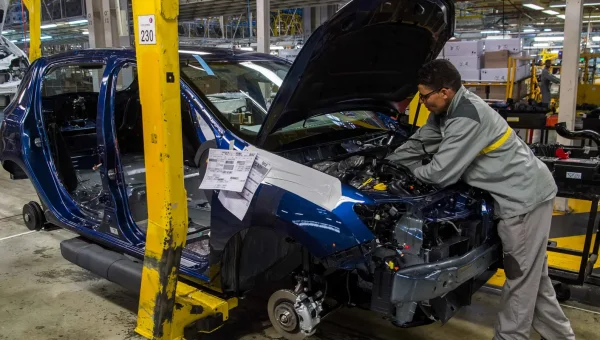
Egypt Ready to Partner with African Nations on Joint Auto Manufacturing Projects
Egypt's Minister of Investment and Foreign Trade, Mohamed Farid Saleh, announced at the Africa Automotive Investment Forum in El Alamein that Egypt is ready to cooperate with African nations on…
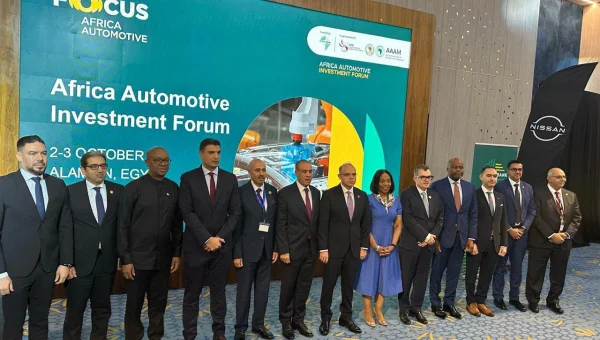
From Assembly to Export: Egypt Redraws Africa's Automotive Map
The Alamein-Africa Business Forum 2026 concluded with a clear message: Egypt's automotive sector is transitioning from assembly to full manufacturing and export. The Ministry of Industry's strategy under Engineer Khaled…
Report reveals: The turbo engines most prone to failure after 80,000 km
Recent fleet data shows that several turbocharged engines in Egypt begin showing costly failures at just 80,000 kilometers, while others last much longer. The main cause isn't design alone but…

Unqualified Influencers Threaten Egypt's Economy and Corporate Reputation
Dr. Said Hamed, a media professor at Suez University, warned that content from unqualified influencers on social media can damage Egypt's national economy and the reputation of state institutions. He…

Beyond the Headlines: What Really Drives Engagement on Egyptian Auto Sites?
The report examines competition among auto sites in Egypt, noting that superiority depends on understanding local buyer needs for content combining price and running costs. Analyses show over 60% of…

