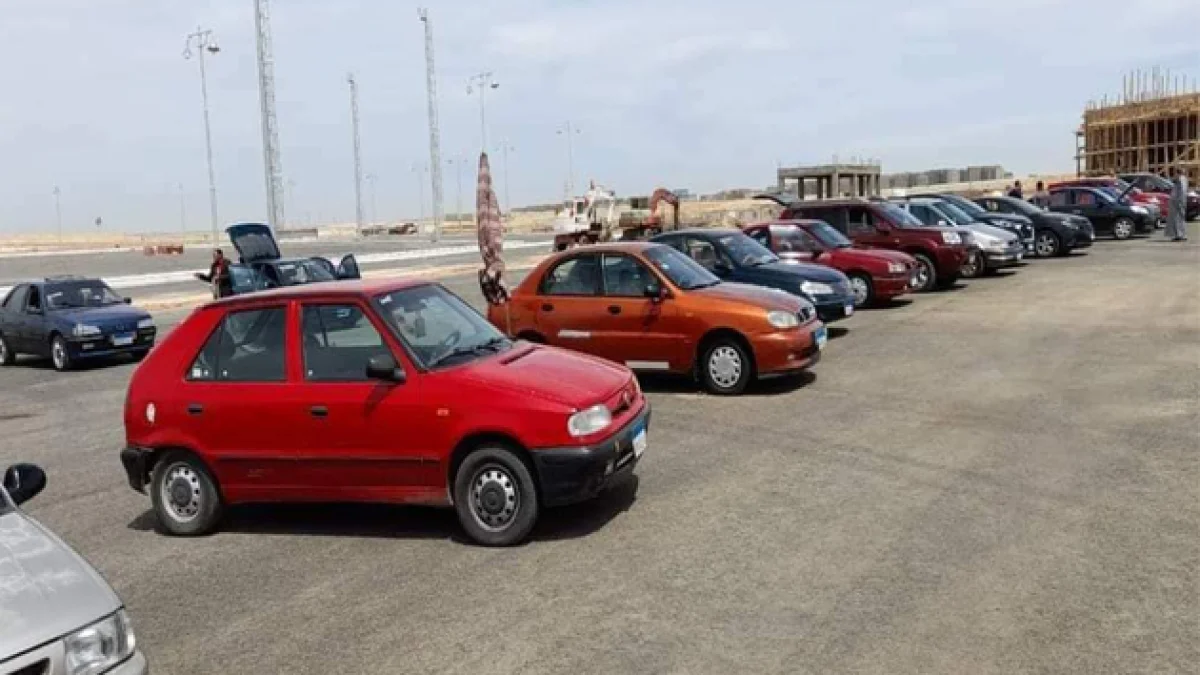
Expert: Used Car Market Shifts from Traditional Methods to Online Selling
Used car expert Wael Mokheimer revealed a major shift in the used car market from traditional methods to online selling through digital platforms. Buying online now simplifies comparing models, viewing real car photos, and completing most of the purchase digitally. Companies are increasing investments in artificial intelligence to inspect cars and set their prices electronically with detailed reports. The expert emphasizes that the market needs both human and technological elements to evaluate cars and make decisions.
The used car market in Egypt is undergoing a radical transformation. Wael Mokheimer, a used car expert in Egypt and the Arab world, confirms that the last decade brought major changes in how used cars are bought and sold, locally, regionally, and globally. This shift is no longer optional — it has become a necessity driven by a new generation of buyers.
From Traditional Showrooms to Digital Platforms
Traditional selling is no longer the first choice. The used car sector has redirected its focus toward digital solutions and technology, specifically through specialized online buying and selling platforms. These platforms offer broader exposure and reach a far larger audience than the walk-in visitors who once filled showrooms on main streets.
The key advantage here is accessibility. A buyer today can browse hundreds of cars from the comfort of their home, without the need to travel between dealerships across Cairo and Giza. This new digital experience has completely changed the rules of the game in the used car market.
Consumer Benefits of Buying Online
Buying used cars online simplifies the search process and makes it easier to compare different models, whether by specifications or price. Buyers can view actual photos of the car and its condition. Complete most of the purchase process online. Only a small part of the transaction remains traditional, such as meeting the seller or visiting the showroom for final delivery.
This hybrid model offers peace of mind. The buyer sees the car and compares it with others before leaving home, then conducts a physical inspection just for confirmation. The transparency of digital platforms in presenting the car's condition and price has reduced post-purchase surprises.
Growing Investments in AI for Car Inspection
The digital shift has directed car companies and agents toward enhancing the customer experience. Specialized used car platforms are increasing investments in technology and the digital user experience. Not only that, but inspecting, evaluating. Pricing used cars is now done electronically through advanced inspection systems powered by artificial intelligence.
This new inspection technology documents the car's condition and provides a detailed report covering all technical details, both exterior and interior. Experts speak of higher accuracy and reliable reports that help buyers make informed decisions. This development narrows the margin of human error, but doesn't eliminate it entirely.
The Human Element Remains Essential
The used car market needs both elements working together. Technology alone isn't enough to evaluate cars or make decisions. A human expert is still necessary to understand market conditions and read details that might not appear in photos or electronic reports. Technology is a helping tool, but the final judgment rests with the expert eye and experience.
The transition from traditional to digital methods hasn't eliminated the role of experts and dealerships — it has changed how they operate. Those who adapt will benefit from this massive shift in the Egyptian used car market, while those who resist will be swept away by the wave of digital evolution that has taken over the world.
Frequently Asked Questions
3 questions answered
Related News
View All News
From Assembly to Export: Egypt Redraws Africa's Automotive Map
The Alamein-Africa Business Forum 2026 concluded with a clear message: Egypt's automotive sector is transitioning from assembly to full manufacturing and export. The Ministry of Industry's strategy under Engineer Khaled…
Report reveals: The turbo engines most prone to failure after 80,000 km
Recent fleet data shows that several turbocharged engines in Egypt begin showing costly failures at just 80,000 kilometers, while others last much longer. The main cause isn't design alone but…

Unqualified Influencers Threaten Egypt's Economy and Corporate Reputation
Dr. Said Hamed, a media professor at Suez University, warned that content from unqualified influencers on social media can damage Egypt's national economy and the reputation of state institutions. He…

Beyond the Headlines: What Really Drives Engagement on Egyptian Auto Sites?
The report examines competition among auto sites in Egypt, noting that superiority depends on understanding local buyer needs for content combining price and running costs. Analyses show over 60% of…

Egypt's One-Billion-Pound Fund Revives Ailing Auto Factories
Egypt's Central Bank and Ministry of Industry have launched a one-billion-pound fund to restructure struggling factories and restore idle production capacity. The fund will take equity stakes, restructure debt, and…