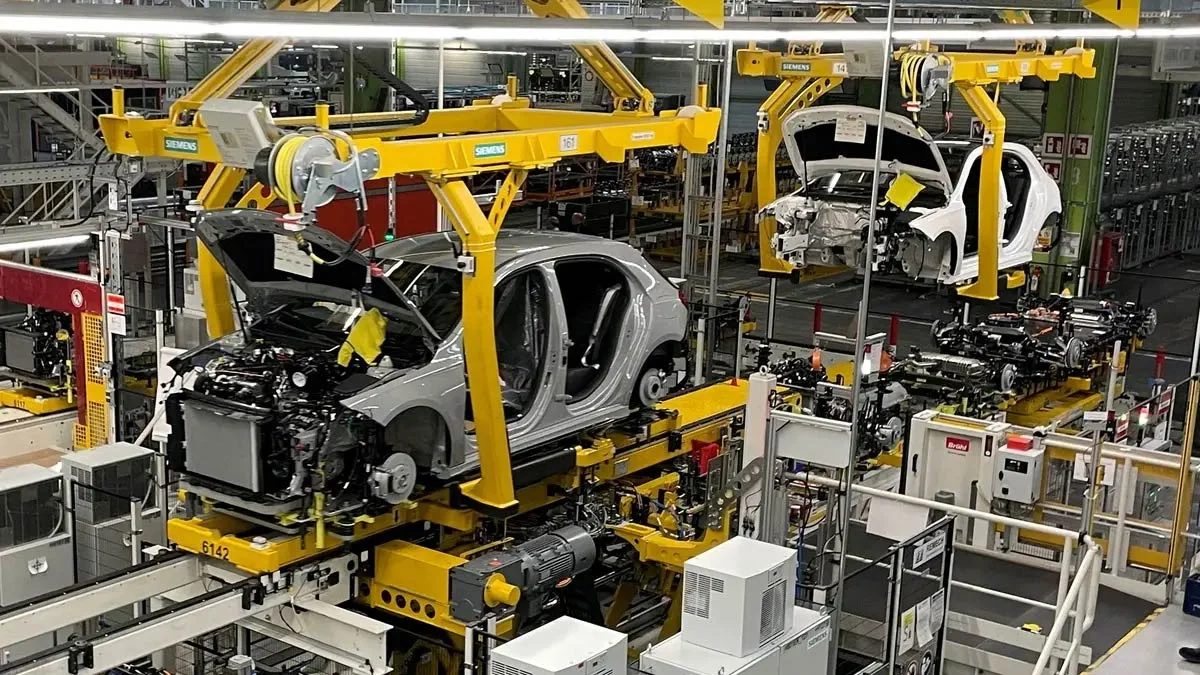
Profit Crisis Deepens in 2026: Global Carmakers Lose Billions
A German study reveals average operating profit per vehicle fell 16% in H1 2026 to $1,365. Combined profits of 15 major automakers dropped 17.5% to $41 billion, while revenues declined just 1.4%. The figures point to growing pressure on profit margins, making cost management the decisive competitive factor.
Global automakers are bleeding profits, fresh German data confirms the pressure is real. Average operating profit per vehicle fell 16% in the first half of 2026, landing at $1,365 compared to $1,620 during the same period last year. Revenues barely moved, and that gap tells the entire story about squeezed margins.
The Numbers: $41 Billion and Counting
The German Automotive Management Center study tracked 15 major car companies worldwide, and the results are sobering. Combined operating profits for these manufacturers dropped 17.5% to roughly $41 billion in just six months. Cars are still selling, but each unit now generates meaningfully less income for the parent company.
What makes this particularly striking is the revenue side of the equation. Total revenues slipped just 1.4% — a negligible dip compared with the profit collapse. Companies like Toyota, Volkswagen. Most major European and Asian brands are maintaining sales volume, yet their operating costs keep climbing without pause. Competition has shifted — it's no longer just about scale, it's about internal spending efficiency.
Cost Management: The New Battleground
Is the industry facing a demand crisis? The data says no. The real challenge lies in converting revenue into net profit, a skill that's increasingly difficult to master. The report clearly suggests that manufacturers capable of controlling production costs and streamlining supply chains will gain ground, while those betting solely on volume will struggle.
Margin pressure isn't new, but it accelerated sharply in 2026 amid rising energy prices, raw material costs, and global interest rates. Revenues remain stable for now. That means the next fight happens inside factories rather than on showroom floors. Companies that reduce per-vehicle costs without compromising quality will emerge stronger — laggards will pay a heavy price in the second half of the year.
Frequently Asked Questions
3 questions answered
Related News
View All NewsYour Tires Could Wear Out Early — 6 Daily Driving Habits That Shorten Tire Life
Tire lifespan depends directly on driver behavior and maintenance habits, not just manufacturing quality. The main culprits are incorrect air pressure, misaligned wheel angles, ignored wheel balancing, and aggressive acceleration…
Autumn Reveals Summer's Hidden Car Problems: 8 Essential Checks Before the Weather Turns
As temperatures drop in autumn, car problems concealed by summer heat begin to surface, especially battery, tire, wiper, and fluid issues. Experts from AAA and NHTSA recommend simple checks covering…

Egypt's State Information Service and Military Academy Sign Strategic Cooperation Protocol
Egypt's State Information Service, headed by Ambassador Alaa Youssef, signed a strategic cooperation protocol with the Military Academy for Higher and Strategic Studies, led by Major General Mohamed Mahmoud Awad.…
Pseudo-Experts in Egypt's Auto Market: How Paid Content Threatens Awareness and the Economy
A troubling phenomenon has emerged in Egypt's automotive market: self-proclaimed experts who use social media to spread inaccurate information for financial gain. These individuals receive cars from dealerships to park…
China Raises Competition Bar in Egypt's Car Market with Manufacturing and Export Plan
Hesham El-Zeny, editor-in-chief of Ahram Auto, revealed that China's car replacement cycle is just one year, compared to four or five years in Europe and Japan. Chinese automakers are exporting…