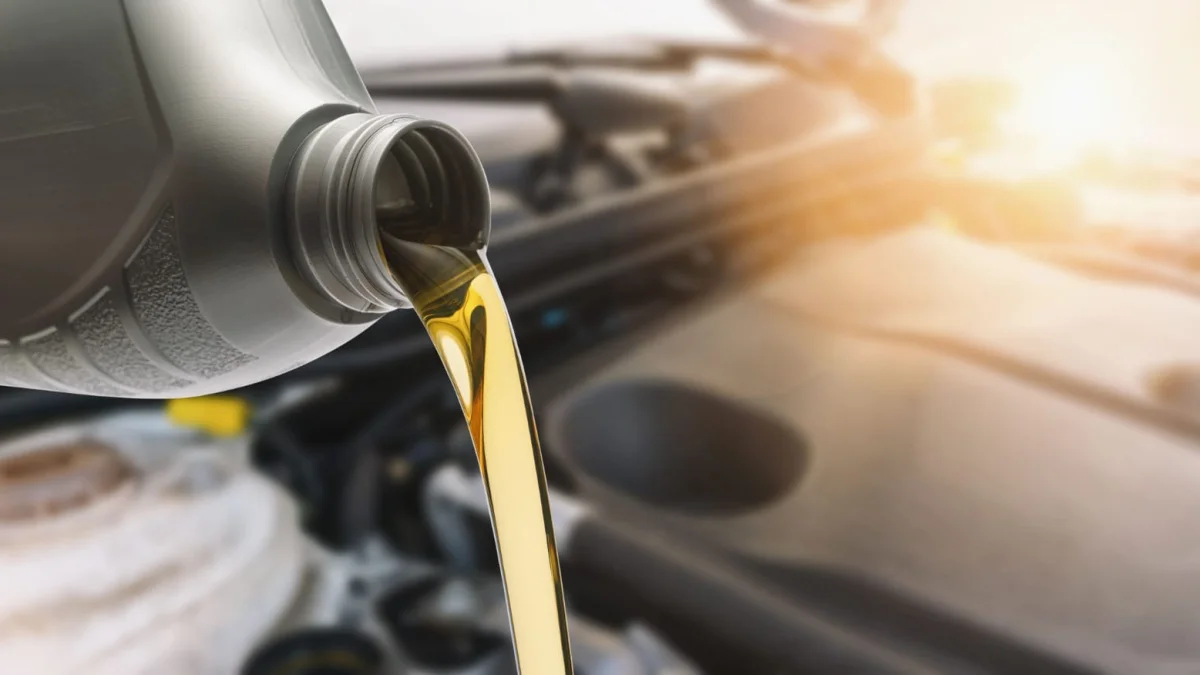
Mineral vs Synthetic Engine Oil: A Complete Guide for Drivers
This guide breaks down the core differences between mineral and synthetic engine oil, helping you decide which suits your car based on age and engine design. It explores why synthetic oil costs more, its effect on fuel consumption, and the role of semi-synthetic blends as a balanced middle ground. The goal is to empower drivers to make informed choices that balance cost with real engine protection.
What is the real difference between mineral and synthetic engine oil? Every driver faces this question during routine maintenance, especially with the significant price gap between the two types in the Egyptian market. The choice isn't about cost alone—it depends on matching the exact specifications set by your car's manufacturer.
Understanding Engine Oil Basics
Mineral oil comes directly from refining crude oil, going through processes to remove impurities and improve its base properties before it reaches your engine. It costs less, making it a popular choice for older vehicles or engines originally designed to run on this type of lubricant.
Yet its ability to hold up under extreme temperatures is limited, whether in scorching summer heat or freezing winters. It also requires more frequent changes, depending on manufacturer recommendations and your driving habits.
Synthetic Oil: A Completely Different Technology
Synthetic oil undergoes a complex chemical manufacturing process that gives its molecules remarkable uniformity, helping it maintain viscosity and protection across a wider temperature range. It reaches engine components faster during cold starts and withstands high pressures without breaking down. Modern engines increasingly rely on this type, especially turbocharged units operating under constant stress and heat.
Why Is Synthetic Oil Pricier?
The higher cost comes down to the manufacturing process and performance-enhancing additives, but the payoff is superior engine protection and longer service life. Still, using a high-spec synthetic oil in an engine designed for something else may be a waste without real benefit.
Does synthetic oil improve fuel economy? Low-viscosity oils engineered for modern engines do reduce internal friction, potentially boosting efficiency by a modest margin. But choosing a thinner grade than recommended to save fuel can backfire and compromise component protection.
What About Semi-Synthetic Oil?
This blend combines mineral and synthetic bases in varying ratios, offering a middle ground between price and performance. It suits drivers seeking better protection than mineral oil without the full synthetic price tag.
The final call always rests with your car's manual—follow the required specification and never let price alone decide the fate of your engine on Egypt's roads.
Frequently Asked Questions
3 questions answered
Related News
View All News
Skoda Tops European Car Registrations in Egypt for September with 655 Vehicles
Skoda led European car registrations in Egypt for September with 655 vehicles, according to the Egyptian Compulsory Vehicle Insurance Pool report. Mercedes followed closely in second with 642 cars, just…
Your Tires Could Wear Out Early — 6 Daily Driving Habits That Shorten Tire Life
Tire lifespan depends directly on driver behavior and maintenance habits, not just manufacturing quality. The main culprits are incorrect air pressure, misaligned wheel angles, ignored wheel balancing, and aggressive acceleration…
Autumn Reveals Summer's Hidden Car Problems: 8 Essential Checks Before the Weather Turns
As temperatures drop in autumn, car problems concealed by summer heat begin to surface, especially battery, tire, wiper, and fluid issues. Experts from AAA and NHTSA recommend simple checks covering…

Egypt's State Information Service and Military Academy Sign Strategic Cooperation Protocol
Egypt's State Information Service, headed by Ambassador Alaa Youssef, signed a strategic cooperation protocol with the Military Academy for Higher and Strategic Studies, led by Major General Mohamed Mahmoud Awad.…
Pseudo-Experts in Egypt's Auto Market: How Paid Content Threatens Awareness and the Economy
A troubling phenomenon has emerged in Egypt's automotive market: self-proclaimed experts who use social media to spread inaccurate information for financial gain. These individuals receive cars from dealerships to park…