

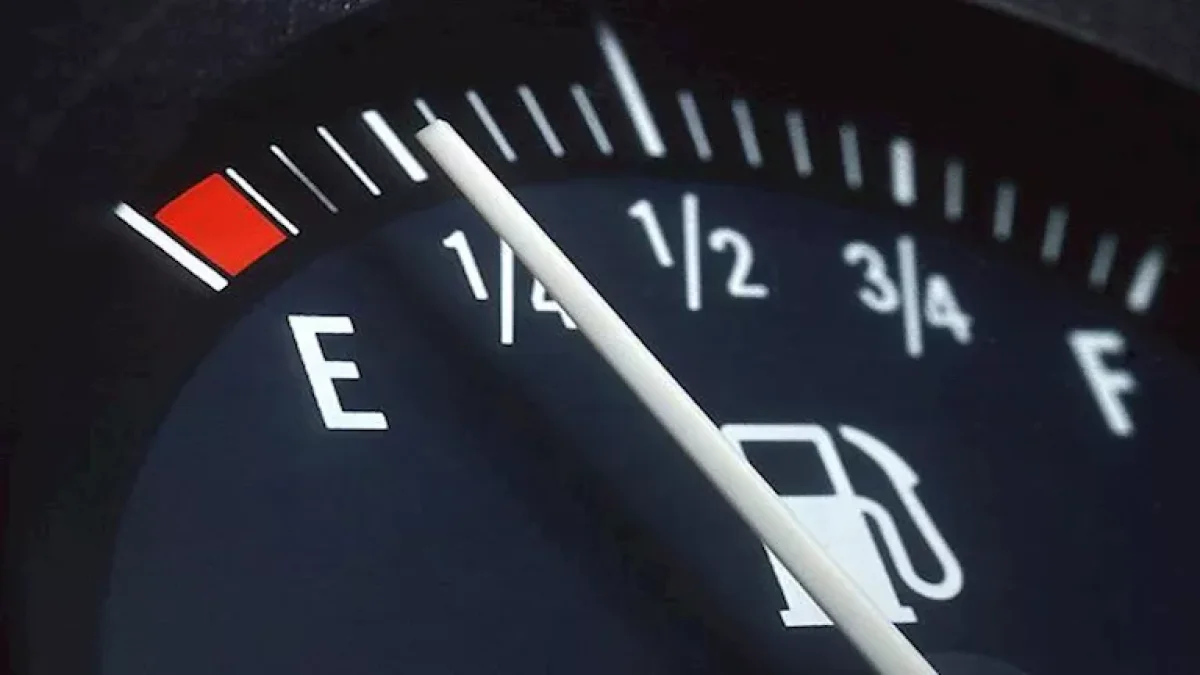
6 Hidden Reasons Your Fuel Consumption Is Rising Despite a Healthy Engine
Rising fuel consumption does not always mean an engine fault. Low tire pressure, aggressive driving, constant AC use, and a clogged air filter can all be behind the problem. Checking these simple factors may save fuel without any mechanical intervention.
Rising fuel consumption frustrates plenty of drivers. Yet the engine may be perfectly healthy, with no warning light on the dashboard, while the distance travelled on the same amount of fuel keeps shrinking. The culprit often sits far from the engine bay.
Tire Pressure: The Most Overlooked Factor
Low tire pressure increases rolling resistance on the road. The result: the engine works harder just to move the car. Checking pressure regularly and sticking to the manufacturer's recommended figures — which vary from one vehicle to another — is a step that can't wait.
Driving Style Burns Fuel Before the Engine Does
Sudden throttle jabs, repeated acceleration, and hard braking all push fuel consumption up immediately. High-speed driving raises air resistance too, forcing the engine to produce more energy to maintain speed. Gradual acceleration and a steady pace are the fix.
AC and Air Filter: The Unexpected Causes
Running the air conditioner adds load to the vehicle's operating system and can raise fuel consumption, especially in extreme heat or during long periods of use. The increase varies with operating conditions, vehicle size, and outside temperature. A dirty air filter, for its part, restricts the airflow needed for efficient combustion, affecting engine performance and consumption. Inspecting the filter during routine maintenance and replacing it per manufacturer recommendations is essential, particularly in dusty areas.
Does that mean the engine is always innocent? Not quite. But before chasing complex mechanical faults, start with these simple factors. They may save fuel and money without opening the hood at all.
Frequently Asked Questions
3 questions answered
Related News
View All News
Chinese Cars in 2026: Pros, Cons, and What Has Really Changed
Chinese cars in 2026 offer more equipment than Korean and Japanese rivals at the same price point, yet concerns over parts availability and resale value persist. Major brands like Chery,…
The 'Flying Trader' Trap: Hidden-Defect Used Cars and Two Steps to Stay Safe
Car trader Fadel Mahmoud has warned against 'flying traders' who sell used cars with hidden defects through attractive ads claiming factory condition, then disappear after the sale. Tactics include odometer…
One Million Pounds: Petrol, Electric, or Hybrid? Your Buying Guide
Presenter Hesham El-Zeiny has raised the key question for buyers with a one-million-pound budget: petrol, electric, hybrid, or range-extender? On Radio Egypt's «Arabeyti» program, he stressed that the decision depends…
95 Octane for European Cars, 92 for Chinese: El-Hennawy Explains the Optimal Fuel Choice
Automotive maintenance expert Mohamed El-Hennawy revealed that modern European cars built to Euro 6 standards are best run on 95 octane fuel, while most Chinese cars in the Egyptian market…
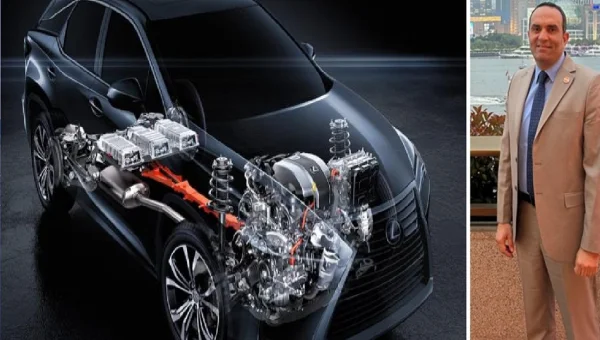
Why a Maintenance Expert Recommends Hybrids for One-Car Families
Car maintenance expert Mohamed El-Hennawy advised families owning a single vehicle to choose hybrid or plug-in hybrid models over full electric cars. These vehicles combine a petrol engine with an…

