From Fuel Oil to 95 Octane: How Technology Shapes Fuel Quality in Your Car
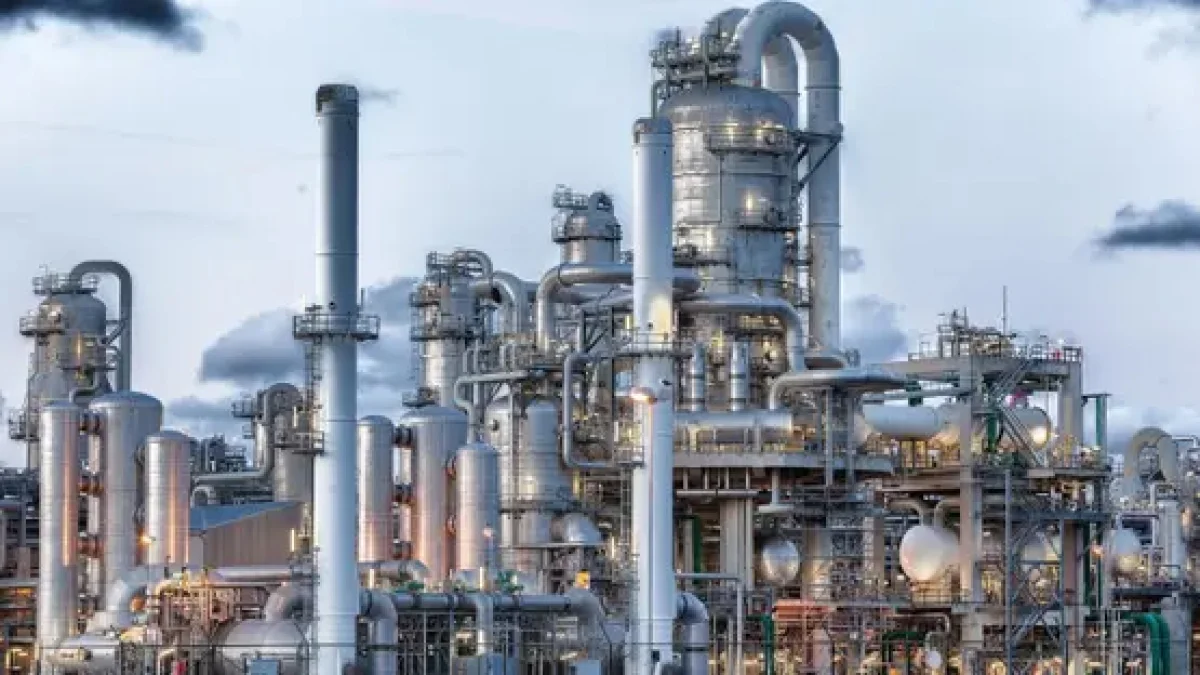
Crude oil and the fuel in your tank share a complicated relationship. Refineries sit at the heart of the petroleum industry, converting raw crude into gasoline, diesel, jet fuel, and butane gas. The quality gap between these products starts right there.
The Crude-to-Fuel Journey Explained
Dr. Medhat Youssef, former vice president of the Egyptian General Petroleum Corporation, says refining begins with distilling crude oil and separating its components. Then treatment processes transform these fractions into diverse petroleum derivatives that match market demand. Simple distillation alone can't deliver high-grade fuel.
Refineries differ dramatically in production capacity. Large facilities pump over 200,000 barrels per day, while medium ones range between 100,000 and 200,000. Small refineries produce less than 100,000 barrels daily. But capacity is only half the equation — complexity matters more. It determines whether a refinery can upgrade low-value products like fuel oil into high-value items such as high-octane gasoline and jet fuel.
Complexity Levels Decide Fuel Quality
Simple refineries operate with basic distillation units and can't produce premium fuels. Higher complexity levels include hydrocracking, catalytic cracking, gasoline production, fuel oil processing, sulfur recovery, and hydrotreating. Each additional unit boosts refinery efficiency and profitability while improving the final fuel quality your car burns.
Egypt's refining map illustrates these differences clearly. The Nasr Petroleum, Assiut, Cairo, and Tanta refineries fall into the simple category. Suez, Amreya, and Alexandria Petroleum represent conversion refineries with more advanced capabilities.
MIDOR in Alexandria and the Egyptian Refining Company in Mostorod stand as the country's most advanced deep-conversion refineries. These facilities produce high-quality petroleum products and add real value to the economy. Upgrading refineries and raising their complexity is now a core strategy for improving Egypt's refining efficiency and maximizing returns from every barrel of crude oil.
Related News
View All News
Beyond the Headlines: What Really Drives Engagement on Egyptian Auto Sites?
The report examines competition among auto sites in Egypt, noting that superiority depends on understanding local buyer needs for content combining price and running costs. Analyses show over 60% of…

Egypt's One-Billion-Pound Fund Revives Ailing Auto Factories
Egypt's Central Bank and Ministry of Industry have launched a one-billion-pound fund to restructure struggling factories and restore idle production capacity. The fund will take equity stakes, restructure debt, and…

Is Now the Right Time to Buy a New Car in Egypt? 6 Indicators That Decide
New car sales in Egypt rose 29.7% in the first seven months of 2026, reaching 116,869 vehicles, with passenger car sales up 25%. Overprice premiums have declined on several models…
Egyptian Car Market 2025: Challenges and Opportunities
Egypt's car market in 2025 faces up to 15% price hikes for Toyota and Nissan, an 8% drop in new car sales, and growing demand for used cars. Electric and…

China Tops Global Auto Industry: From Imitation to Technological Leadership
China's auto industry has shifted from imitation to global leadership, driven by massive investments in electric vehicles and AI. Companies like BYD adopted self-integration in production, cutting costs and boosting…