Did Egypt's Trains, Metro, and Ports Survive the Dawn Earthquake? The Ministry Answers
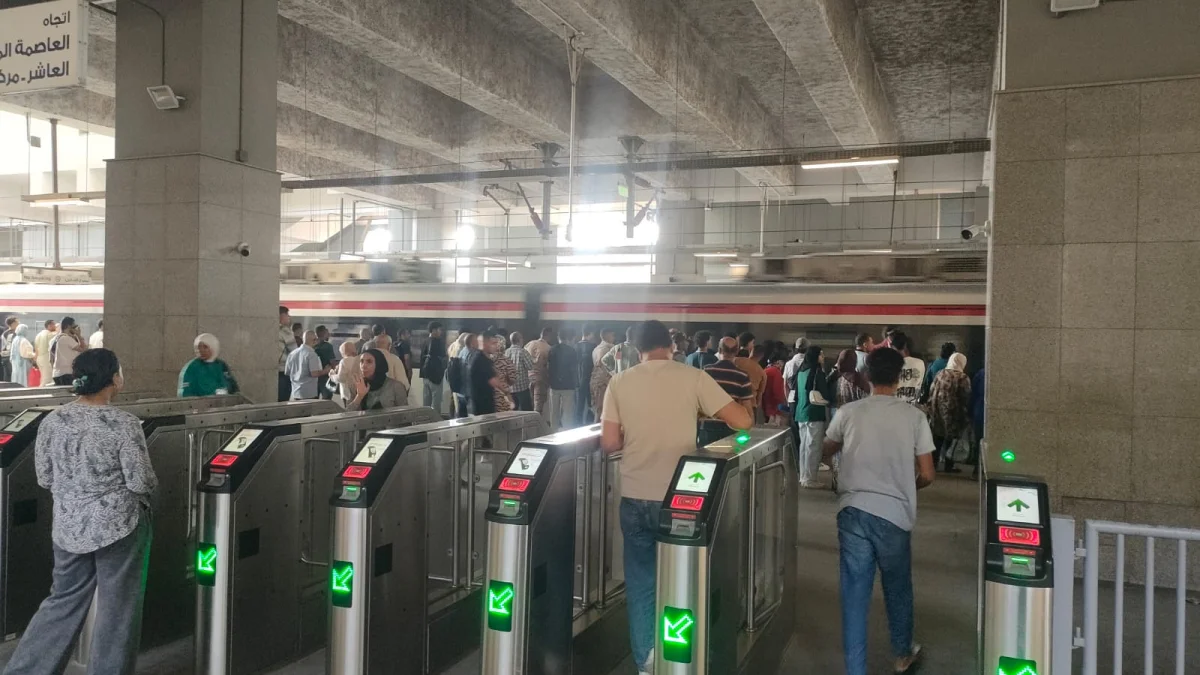
An earthquake shook Egypt at dawn. Traffic didn't stop. Egypt's Ministry of Transport confirmed normal operations across all facilities, with zero impact, following a precise follow-up by Minister Kamel El-Wazir through the emergency operations center.
Immediate Ministerial Response
The minister directly contacted heads of affiliated authorities and companies within the first moments of the quake to check on infrastructure safety and service continuity. The follow-up covered all sectors, confirming smooth operations in both land and maritime transport. Cairo felt the tremors, but systems worked efficiently.
The ministry stressed that central operations rooms monitor the situation around the clock. No reports of infrastructure damage have surfaced so far. The situation is reassuring.
Railways and Metro: Full Stability
The railway network is operating across all lines. Trains run on schedule, with no observed effects on operations or the authority's infrastructure. Technical monitoring continues.
The three metro lines are equally stable. The Light Rail Transit and the East Nile Monorail serve passengers normally, fully adhering to safety measures. Public transport buses across various lines keep working with the usual efficiency, free from obstacles. Giza and other governorates benefit from these services.
Seaports are accepting and dispatching vessels normally. Cargo handling and transshipment operations run 24/7 with no recorded impacts from the quake. This highlights the readiness of Egypt's infrastructure to handle emergencies.
River and Land Ports: Trade Uninterrupted
River, land, dry ports, and logistics zones are seeing steady operations. Operational and logistical services are delivered efficiently, ensuring trade flows and supply chains remain normal. No disruptions in any of these facilities.
Roads and bridges also remain unaffected. Traffic movement is normal, with no effects on road efficiency. Field and technical teams from competent authorities continue their work to verify the integrity of all infrastructure elements.
All indicators suggest Egypt has passed the quake safely. Relevant bodies follow the situation closely. The response to any emergency is ready.
Related News
View All News
Beyond the Headlines: What Really Drives Engagement on Egyptian Auto Sites?
The report examines competition among auto sites in Egypt, noting that superiority depends on understanding local buyer needs for content combining price and running costs. Analyses show over 60% of…

Egypt's One-Billion-Pound Fund Revives Ailing Auto Factories
Egypt's Central Bank and Ministry of Industry have launched a one-billion-pound fund to restructure struggling factories and restore idle production capacity. The fund will take equity stakes, restructure debt, and…

Is Now the Right Time to Buy a New Car in Egypt? 6 Indicators That Decide
New car sales in Egypt rose 29.7% in the first seven months of 2026, reaching 116,869 vehicles, with passenger car sales up 25%. Overprice premiums have declined on several models…
Egyptian Car Market 2025: Challenges and Opportunities
Egypt's car market in 2025 faces up to 15% price hikes for Toyota and Nissan, an 8% drop in new car sales, and growing demand for used cars. Electric and…
China Tops Global Auto Industry: From Imitation to Technological Leadership
China's auto industry has shifted from imitation to global leadership, driven by massive investments in electric vehicles and AI. Companies like BYD adopted self-integration in production, cutting costs and boosting…