From Impound Lots to Assets: Egypt Recovers 14 Acres in Maadi Worth EGP 2.085 Billion
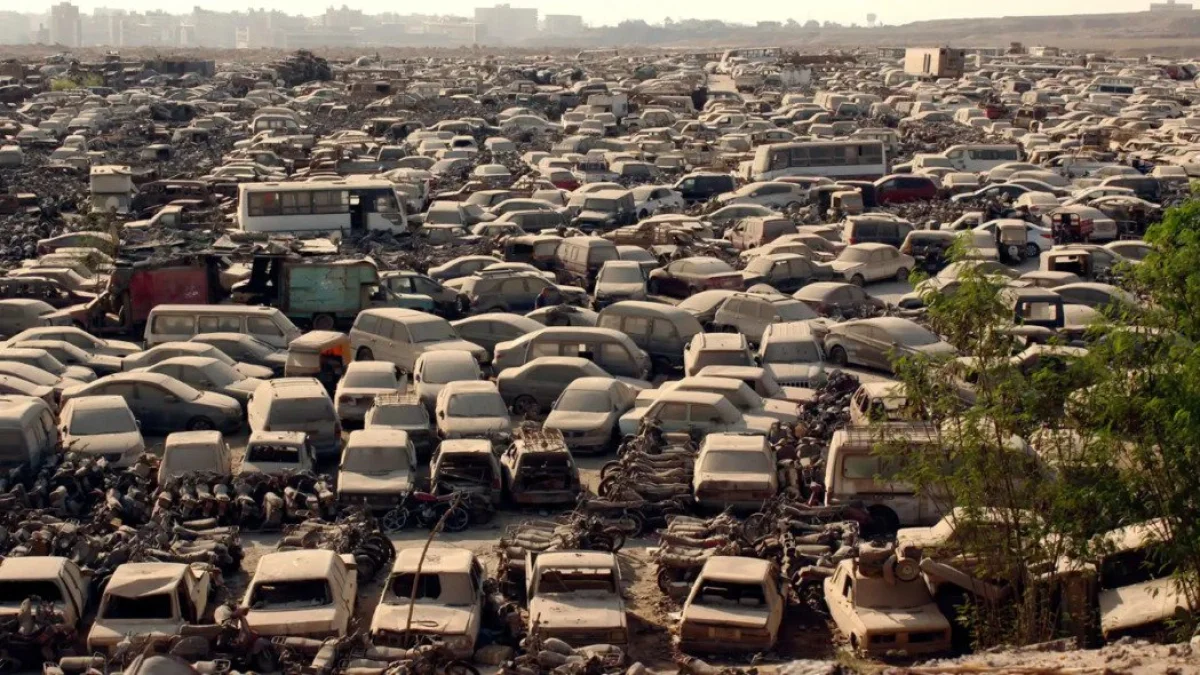
The Egyptian state has recovered 14 acres in the Europe 2000 area of Maadi, valued at EGP 2.085 billion, after clearing vehicle impound lots. The operation follows presidential directives to close these facilities and repurpose the land for development. The process involves coordination between the Ministry of Local Development, the Ministry of Environment, the Public Prosecution, and governorates to sell usable vehicles, return others to owners, and recycle confiscated ones. The recovered land will be re-planned and allocated for economic utilization.
Egyptian authorities have recovered 14 acres in the Europe 2000 area of Maadi, valued at EGP 2.085 billion, after clearing them from vehicle impound lots. The move comes as part of presidential directives to accelerate the closure of these facilities and repurpose the land for developmental and economic projects.
The number is striking — EGP 2.085 billion worth of assets that sat idle for years. The state is transforming impound lots from a logistical burden into a genuine investment opportunity that benefits the public treasury.
Coordination Between Ministries and the Public Prosecution
Relevant authorities are operating through an integrated coordination mechanism combining the Ministry of Local Development, the Ministry of Environment, the Public Prosecution, and various governorates. The primary goal is to resolve the legal status of vehicles in these lots and accelerate disposal procedures.
Usable vehicles are sold in accordance with the law, while those ordered returned are handed back to their owners. Confiscated vehicles deemed unfit for use are directed toward recycling or repurposing their components in national industries.
The Ministry of Local Development and Environment provides the necessary technical and logistical support, supplying equipment required for evacuation operations. Coordination continues with all governorates to remove obstacles and speed up implementation rates.
The Public Prosecution's Role in Settling Legal Cases
The Public Prosecution carries the most critical legal role in determining how to dispose of vehicles and seized items, following legally prescribed procedures and rulings. This role ensures files are closed in a lawful and organized manner without ambiguity.
Simultaneously, the prosecution is completing procedures to hand over cleared land to the Ministry of Local Development, the Ministry of Environment, and relevant governorates. Recovered land is being re-planned, re-allocated, and integrated into the economic and developmental utilization cycle.
The effort extends beyond vehicles inside impound lots only. Recovering the land itself is a top priority, as these are state-owned assets that can be re-entered into the development and investment framework once cleared and handed over to competent authorities.
What Does This Mean for the Market?
Clearing impound lots means a significant flow of usable vehicles entering the market through public auctions organized by authorities. This increases supply and offers multiple options for buyers searching for Toyota cars or Hyundai used models in good condition at competitive prices.
The biggest beneficiary of this move is the citizen looking for an economical vehicle. With increased supply in the market, opportunities arise to acquire a Kia, Nissan, or Chevrolet at prices below the usual range. This development reshapes market priorities and creates a balance after years of supply shortages and rising prices — a shift that could finally cool down the used car segment.
Frequently Asked Questions
3 questions answered
Related News
View All News
Skoda Tops European Car Registrations in Egypt for September with 655 Vehicles
Skoda led European car registrations in Egypt for September with 655 vehicles, according to the Egyptian Compulsory Vehicle Insurance Pool report. Mercedes followed closely in second with 642 cars, just…
Your Tires Could Wear Out Early — 6 Daily Driving Habits That Shorten Tire Life
Tire lifespan depends directly on driver behavior and maintenance habits, not just manufacturing quality. The main culprits are incorrect air pressure, misaligned wheel angles, ignored wheel balancing, and aggressive acceleration…
Autumn Reveals Summer's Hidden Car Problems: 8 Essential Checks Before the Weather Turns
As temperatures drop in autumn, car problems concealed by summer heat begin to surface, especially battery, tire, wiper, and fluid issues. Experts from AAA and NHTSA recommend simple checks covering…

Egypt's State Information Service and Military Academy Sign Strategic Cooperation Protocol
Egypt's State Information Service, headed by Ambassador Alaa Youssef, signed a strategic cooperation protocol with the Military Academy for Higher and Strategic Studies, led by Major General Mohamed Mahmoud Awad.…
Pseudo-Experts in Egypt's Auto Market: How Paid Content Threatens Awareness and the Economy
A troubling phenomenon has emerged in Egypt's automotive market: self-proclaimed experts who use social media to spread inaccurate information for financial gain. These individuals receive cars from dealerships to park…