Egypt's Military Production and Supply Ministries Push for Local Manufacturing Expansion, Auto Sector in Focus
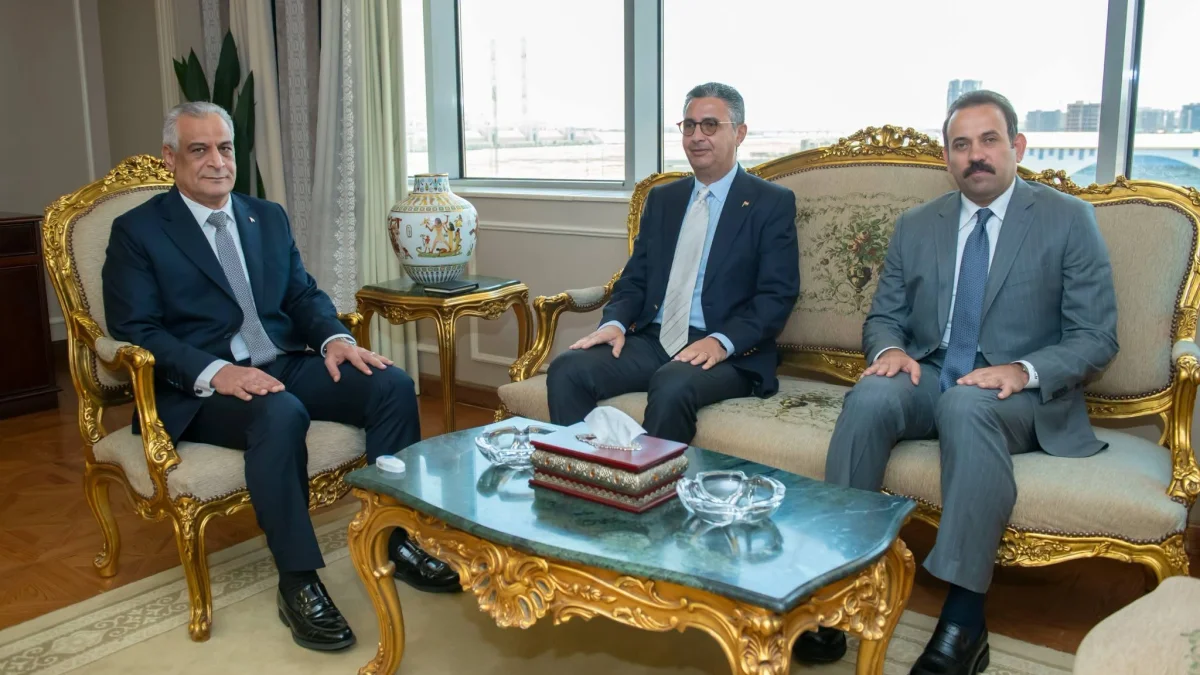
Officials from Egypt's Ministry of Military Production, the Ministry of Supply and Internal Trade. The Future of Egypt Development Agency met at the New Administrative Capital. The meeting had a clear target: expanding local manufacturing and localizing production inputs for major national projects. This was more than a routine coordination session.
Attendees included Engineer Salah Soliman Gemblati, Minister of State for Military Production, Dr. Sherif Farouk, Minister of Supply and Internal Trade, and Dr. Bahaa El-Ghannam, Executive Director of the Future of Egypt Development Agency. Discussions focused on how to leverage national engineering and manufacturing capabilities to strengthen supply chains and support strategic projects.
A Massive Industrial Base
The numbers tell the story. The Military Production Ministry operates around 260 production lines, alongside accredited laboratories, advanced operational capabilities, and qualified human resources. The Minister of State for Military Production confirmed that some of these capabilities can be redirected toward priority national projects in the current phase.
Production areas include automated and semi-automated bakeries, water pumps and submersible pumps, as well as electric generators. These civilian products represent a broad segment of the Ministry's work, and they intersect directly with the needs of several domestic industries.
The Automotive Sector's Big Opportunity
Here's the key question: how can Egypt's automotive industry benefit from this shift? Strengthening local manufacturing capabilities and developing supply chains can positively impact the auto sector, especially as the state pushes toward increasing the percentage of locally manufactured components instead of relying entirely on imports. Military Production companies have expertise in engineering manufacturing, production line operation. Spare parts and maintenance production — fields that directly intersect with the automotive sector's needs, whether in production components, equipment, or after-sales services.
Expanding cooperation with the private sector is part of this broader strategy. Broadening the local manufacturing base doesn't just affect targeted sectors directly; it creates opportunities for other industries that rely on locally engineered components and products, particularly the car industry and its parts.
Related News
View All News
Beyond the Headlines: What Really Drives Engagement on Egyptian Auto Sites?
The report examines competition among auto sites in Egypt, noting that superiority depends on understanding local buyer needs for content combining price and running costs. Analyses show over 60% of…

Egypt's One-Billion-Pound Fund Revives Ailing Auto Factories
Egypt's Central Bank and Ministry of Industry have launched a one-billion-pound fund to restructure struggling factories and restore idle production capacity. The fund will take equity stakes, restructure debt, and…

Is Now the Right Time to Buy a New Car in Egypt? 6 Indicators That Decide
New car sales in Egypt rose 29.7% in the first seven months of 2026, reaching 116,869 vehicles, with passenger car sales up 25%. Overprice premiums have declined on several models…
Egyptian Car Market 2025: Challenges and Opportunities
Egypt's car market in 2025 faces up to 15% price hikes for Toyota and Nissan, an 8% drop in new car sales, and growing demand for used cars. Electric and…
China Tops Global Auto Industry: From Imitation to Technological Leadership
China's auto industry has shifted from imitation to global leadership, driven by massive investments in electric vehicles and AI. Companies like BYD adopted self-integration in production, cutting costs and boosting…