7 Daily Driving Habits That Cost You Thousands in Car Repairs
This report reveals a set of common daily habits that drivers commit behind the wheel, which accelerate component wear and inflate maintenance costs. From keeping your hand on the gear shifter to aggressive braking and running on low fuel, the article explains how drivers can adjust their driving style to save thousands of pounds. It also covers the importance of regular tire inspection and gentle driving after starting a cold engine. The goal is to raise driver awareness of correct behaviors behind the steering wheel.
Driving is more than turning the key and hitting the accelerator. Small mistakes repeated daily behind the wheel transform your annual maintenance bill from a manageable amount into a heavy burden, especially amid rising spare parts prices in the Egyptian market in recent years. The driver who understands these habits saves thousands of pounds annually.
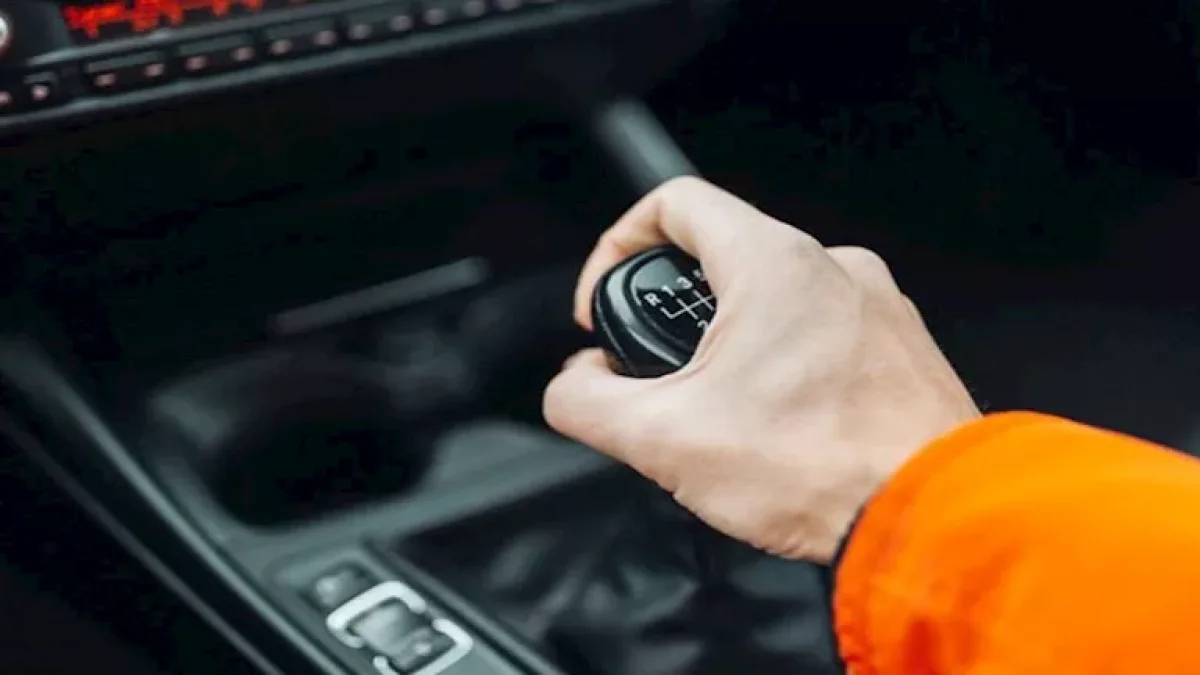
Resting Your Hand on the Gear Shifter? Stop Now
Constant pressure on the gearbox lever — whether in manual or automatic cars — creates internal friction the system doesn't need. The car is designed so the gear lever moves only when shifting, and keeping it in your hand throughout the trip means additional stress on sensitive internal components.
The best approach is to use the gear shifter only when actually needed. Keep both hands on the steering wheel as much as possible — it's not just safer, it extends the life of the transmission mounts and bushings. Simple benefits that compound over time.
The Clutch Pedal and the Empty Tank Problem
Drivers who leave their left foot resting on the clutch pedal — even with light pressure — cause premature wear on the clutch discs. The problem gets worse in Egyptian traffic congestion, where drivers spend hours in an incorrect position. Lift your foot completely after shifting. You will notice the difference in clutch smoothness after thousands of kilometers.
Did you know that running on low fuel puts your fuel pump at risk? The car uses fuel as a coolant for the pump. Constantly driving at low levels raises the pump's temperature and shortens its lifespan. Don't wait for the warning light — stopping at a station early is far better than replacing a complete pump assembly.
Aggressive Braking and the Cold Engine Mistake
Frequent hard pressing on the brakes in Cairo traffic wears out brake pads and discs nearly a third faster compared to calm driving. Proactive driving — reading the road ahead and stopping gradually — reduces the load on the entire braking system. This isn't only about safety; it's about replacement costs that exceed thousands of pounds.
A cold engine needs at least a minute of idle operation before any sudden acceleration. The common advice about not pushing a cold car isn't just talk — thick oil hasn't yet reached optimal temperature. Drive gently for the first five minutes. You will protect your engine from dry friction that wastes its lifetime.
Tire Inspection: Care Before Long Trips
Your tire's external appearance usually deceives you. You should check air pressure at least every two weeks. Look for cracks or uneven wear on the tread, especially before long desert road trips. The simple routines of regular care protect against a sudden blowout in the hottest driving conditions.
It's no secret that Egyptian drivers neglect tire inspections until they face an unexpected breakdown. The professional advice here is simple: measuring pressure every two weeks takes less than five minutes. Maintaining a tire costs far less than replacing it or repairing wheels after a blowout. Regular maintenance is cheap, and negligence is expensive.
Frequently Asked Questions
3 questions answered
Related News
View All News
Skoda Tops European Car Registrations in Egypt for September with 655 Vehicles
Skoda led European car registrations in Egypt for September with 655 vehicles, according to the Egyptian Compulsory Vehicle Insurance Pool report. Mercedes followed closely in second with 642 cars, just…
Your Tires Could Wear Out Early — 6 Daily Driving Habits That Shorten Tire Life
Tire lifespan depends directly on driver behavior and maintenance habits, not just manufacturing quality. The main culprits are incorrect air pressure, misaligned wheel angles, ignored wheel balancing, and aggressive acceleration…
Autumn Reveals Summer's Hidden Car Problems: 8 Essential Checks Before the Weather Turns
As temperatures drop in autumn, car problems concealed by summer heat begin to surface, especially battery, tire, wiper, and fluid issues. Experts from AAA and NHTSA recommend simple checks covering…

Egypt's State Information Service and Military Academy Sign Strategic Cooperation Protocol
Egypt's State Information Service, headed by Ambassador Alaa Youssef, signed a strategic cooperation protocol with the Military Academy for Higher and Strategic Studies, led by Major General Mohamed Mahmoud Awad.…
Pseudo-Experts in Egypt's Auto Market: How Paid Content Threatens Awareness and the Economy
A troubling phenomenon has emerged in Egypt's automotive market: self-proclaimed experts who use social media to spread inaccurate information for financial gain. These individuals receive cars from dealerships to park…