China and Egypt: Industrial Partnership Redrawing the Automotive Map of the Middle East and Africa
China is looking to escape US trade restrictions by building new manufacturing partnerships, and Egypt leads the candidate list thanks to its trade agreements and maritime access. China's factory labor shortage has pushed manufacturers toward alternative assembly sites, and Egypt offers infrastructure, workforce, and easy licensing. The automotive sector and feeder components are central to this equation, with potential for full localization and export to Africa and Europe.
Egypt holds a golden opportunity to become China's gateway to European and African markets. The automotive sector sits at the heart of this equation. China is searching for new export channels into Europe after US trade restrictions. Egypt fits the bill with its trade agreements and maritime access. The moment is now.
China faces a real labor shortage. Young workers there are no longer interested in factory jobs, pushing manufacturers toward robotics and alternative assembly hubs in the Philippines and Hungary. Yet Egypt — with its location, infrastructure. Streamlined licensing — stands at the front of the line as a strategic alternative. The automotive industry and feeder-component manufacturing stand to gain the most.
Why Egypt? Infrastructure and Trade Agreements
Egypt's infrastructure keeps improving across roads, ports, and industrial zones. Is that enough to pull in Chinese investment? Trade agreements linking Egypt to Africa, Europe. The Middle East give any product made on Egyptian soil a clear competitive edge. The Egyptian car market will benefit directly from technology transfer and localized manufacturing.
The Chinese investor wants three things: skilled labor, full utilities, and simple procedures. Egypt has all three. MG and BYD were just the opening act, but the ambition runs far deeper. Localizing Chery manufacturing and its supply chain would create an entire industrial ecosystem.
Cars at the Center: From Assembly to Full Manufacturing
China doesn't want mere car assembly in Egypt. The goal is full manufacturing with meaningful local content, then export to Africa and Europe. Nissan and Hyundai have existing operations in Egypt, but the Chinese model is different — faster execution and lower cost. The financial upside is clear for both sides.
Egypt's industrial track record proves the country can compete when political will meets technical partnership. Toyota prices and Volkswagen positioning in Egypt could shift once Chinese manufacturing muscle kicks in locally. Industrial and agricultural Egypt stands before a historic opening.
Frequently Asked Questions
3 questions answered
Related News
View All NewsPrivate Cars Capture 60% of Egyptian Market Sales in January 2026
Private cars dominated 60% of total sales in the Egyptian market during January 2026, according to the Automobile Market Information Council. Toyota, Hyundai, and Nissan are leading demand in this…

From Small Workshop to Automotive Empire: Can Egypt Produce a New Honda from Its Youth?
Soichiro Honda began his life as a simple mechanic without a university degree, opened his own workshop in 1928, then founded a piston ring company in 1937 whose products reached…
Egypt's Electric and Hybrid Car Sales Exceed 4,000 Units in October
Electric and hybrid vehicle sales in Egypt reached 4,017 units in October, according to the Egyptian Compulsory Motor Insurance Federation. Geely topped pure electric sales with 488 cars, while BYD…

Expert Reveals: Upcoming Car Offers in Egypt Target Older Models Only
Shady Rayan, a senior car distributor, revealed that upcoming offers and discounts in Egypt will focus on older models to clear accumulated inventory. Weak demand and marketing challenges for certain…
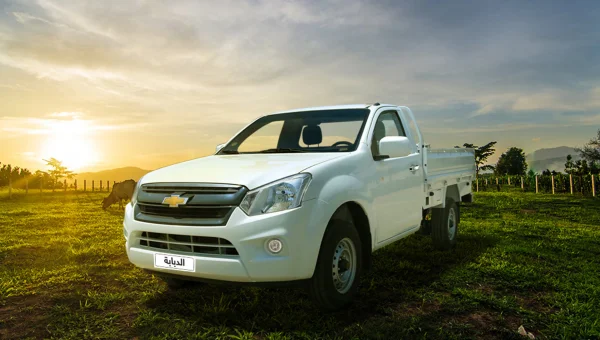
Chevrolet Captures 65% of Egypt's Commercial Vehicle Licenses in October
Chevrolet captured 65.5% of Egypt's commercial vehicle licenses in October 2026, registering 2,211 units out of 3,376 total. Toyota trailed far behind in second place with 139 vehicles, while 2027…