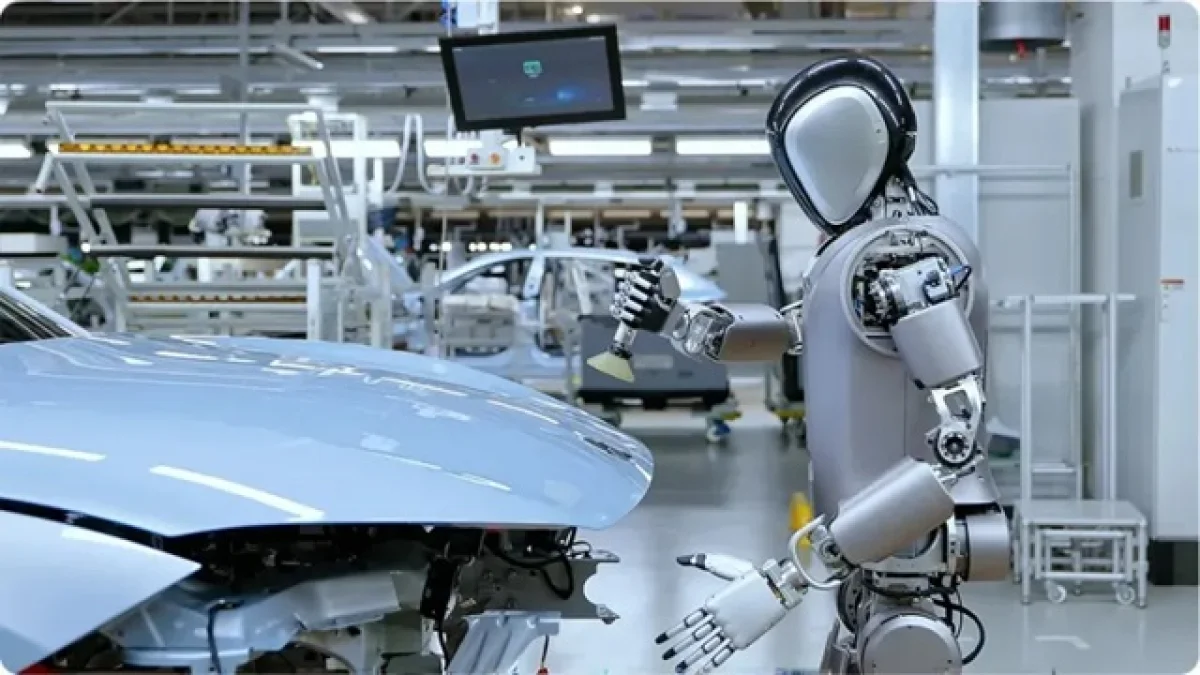
China Tightens Grip on EV Industry, Turning Western Automakers into Assemblers
China has become the undisputed center of the electric vehicle industry by controlling most of the supply chain, from raw minerals to battery production. The country holds 85% of global refining capacity and over 80% of battery cell manufacturing, with near-total dominance over lithium iron phosphate. Battery cell prices in China are about 30% lower than Europe and 20% cheaper than the US, creating a massive competitive edge. Western companies with established brands and factories are increasingly becoming dependent on this Chinese ecosystem for critical components and technology.
China now controls 85% of global mineral refining and over 80% of EV battery cell production, cementing its position as the true center of the electric vehicle industry. The numbers reshape everything we knew about automotive manufacturing. Western automakers are feeling the pressure like never before.
Supply Chain Dominance
BYD and CATL have evolved from Chinese companies into global powers that influence the future of car manufacturing. China produces about 69% of rare and essential minerals used in the industry, with near-total dominance over lithium iron phosphate. The supply chain story runs deep — from mines and refineries to battery cells and complete vehicle assembly.
Major European and American companies face a new reality where their modern factories could gradually resemble simple assembly operations. The real power has shifted to batteries, electronics, software, and mineral supply chains. Owning a factory alone no longer guarantees competitive advantage. The game has changed fundamentally for players like Tesla and traditional giants.
The Price Weapon
Battery cell prices in China run about 30% lower than in Europe and more than 20% below US levels. This cost advantage translates directly into cheaper cars that enter Western markets with an irresistible mix of price, technology, and range. Chinese vehicles have become very hard to ignore.
Western brands still own their trademarks and factories, but they increasingly depend on a Chinese ecosystem for batteries, components, and technology. The result is shrinking margins and a gradual loss of true value-added share. Decoupling from this ecosystem has become wildly expensive and complicated. The lesson is clear: whoever controls the battery and technology controls the automotive future. Right now, that power sits firmly in Beijing.
Frequently Asked Questions
3 questions answered
Related News
View All News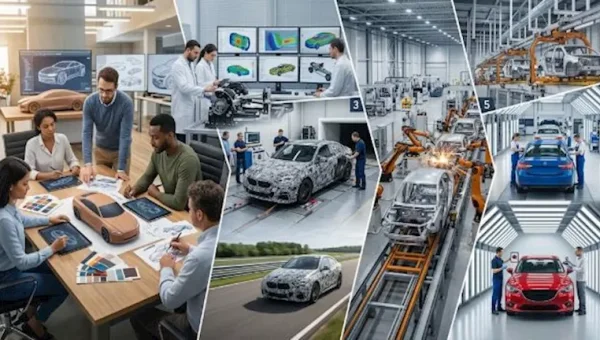
From Sketches to Assembly Lines: How a New Car Is Born
Every new car goes through a long journey starting with target segment definition and initial exterior and interior design concepts. These concepts become 3D digital models, and prototypes are built…
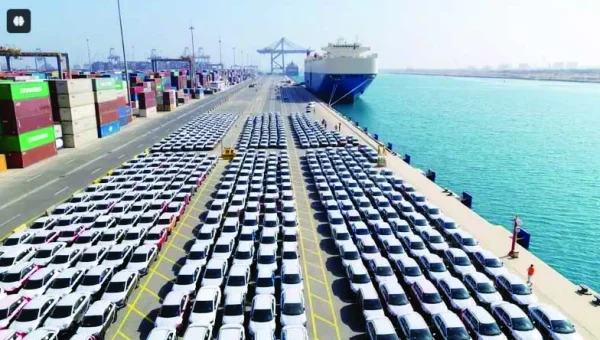
Egypt's Vehicle Imports Drop 13.3% in July
Egypt's passenger car imports declined to $285.2 million in July, a 13.3% drop. Auto parts fell 22.2%, tractors 7.8%, and goods vehicles 9.9%. Meanwhile, bus and minibus imports rose 72.2%…

Which Cars Does Uber Accept? Surprising Requirements and Excluded Models
Uber enforces strict requirements for vehicles on its platform, including a maximum age of 15 years, four working doors, and seatbelts for five people. Commercial ads and modifications to seats…
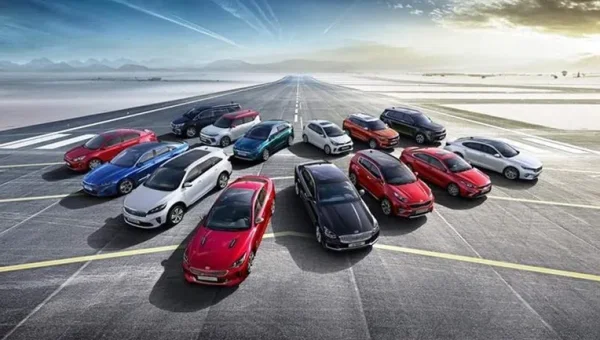
Skoda Tops European Car Registrations in Egypt for September with 655 Vehicles
Skoda led European car registrations in Egypt for September with 655 vehicles, according to the Egyptian Compulsory Vehicle Insurance Pool report. Mercedes followed closely in second with 642 cars, just…
Your Tires Could Wear Out Early — 6 Daily Driving Habits That Shorten Tire Life
Tire lifespan depends directly on driver behavior and maintenance habits, not just manufacturing quality. The main culprits are incorrect air pressure, misaligned wheel angles, ignored wheel balancing, and aggressive acceleration…