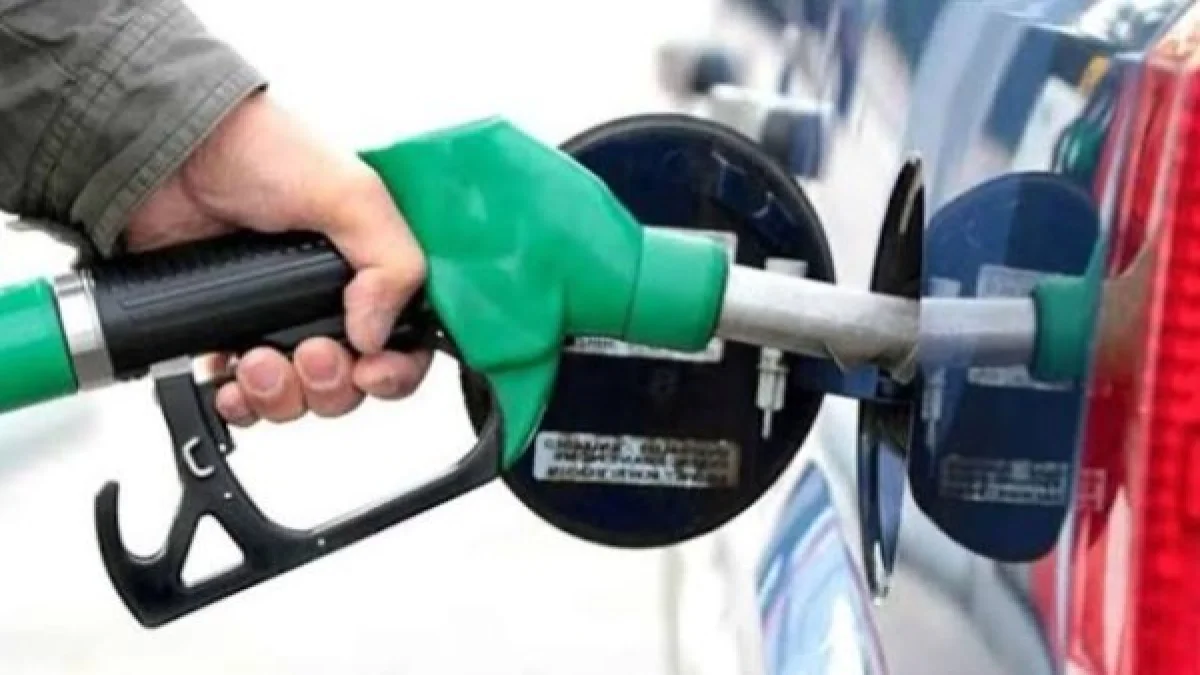
10 Daily Mistakes That Make Your Car Burn More Fuel Than Necessary
This article highlights the everyday mistakes drivers make that lead to higher fuel consumption without realizing it. These mistakes include aggressive acceleration, driving at high speeds, under-inflated tires, and carrying excess weight in the vehicle. The article also provides practical advice to improve fuel efficiency and reduce daily expenses.
Have you noticed your fuel tank emptying faster than usual? The culprit might not be an engine fault, but rather a set of simple daily habits that most drivers practice without realizing their direct impact on fuel prices. The gap between economical driving and fuel-guzzling behind the wheel can start with how you press the accelerator and extend to details as small as tire pressure.
Aggressive Acceleration Drives Consumption Up
Hard and repeated pressing on the accelerator forces the engine to pump more fuel to achieve maximum acceleration. Smooth takeoffs and gradually reaching the desired speed help reduce consumption noticeably. This doesn't mean always driving slowly, but it does mean avoiding sharp acceleration followed by braking seconds later, especially in city traffic.
High Speed and Air Resistance
The higher the vehicle's speed, the greater the air resistance. The engine needs more energy to maintain that speed. The effect is clearly visible on highways, where fuel consumption can rise significantly when driving at high speeds for long periods compared to driving at a steady, moderate pace. The optimal economic speed for most cars ranges between 80 and 100 km/h.
Tire Pressure and Vehicle Load
Under-inflated tires increase rolling resistance, forcing the engine to work harder to move the car. Regularly checking the pressure and adjusting it to the manufacturer's recommended level not only preserves the tire but also improves fuel efficiency. Leaving heavy items in the trunk for daily driving in Cairo means you're carrying extra weight on every trip. Each item might not seem heavy on its own, but accumulated weight raises the vehicle's mass, especially in city driving with frequent acceleration and stopping.
Roof Racks and Idling Engine
Installing a roof box or cargo carrier on a Chevrolet's roof increases air resistance even when not fully loaded. It's better to remove bike racks and roof boxes when they're not needed, especially if the car is frequently used on highways. Running the engine while parked means burning fuel without covering any distance. If you're waiting for someone for more than a minute, it's best to turn off the engine to save fuel and reduce harmful emissions.
Paying attention to these simple details can save you a decent amount of money throughout the year. Following these tips when driving your used Nissan or any other vehicle. Being mindful of daily driving habits, are all steps that ensure more efficient consumption. The change begins with simple awareness on every trip. The result will be better for both the car and your wallet.
Frequently Asked Questions
3 questions answered
Related News
View All News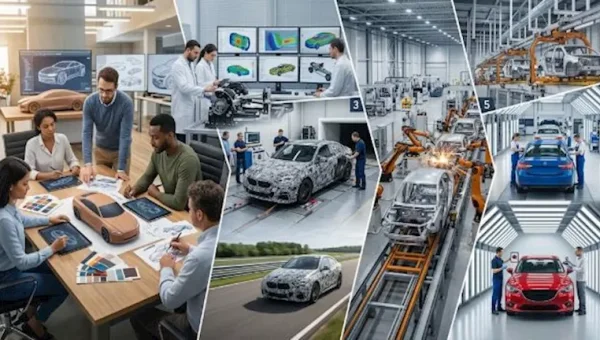
From Sketches to Assembly Lines: How a New Car Is Born
Every new car goes through a long journey starting with target segment definition and initial exterior and interior design concepts. These concepts become 3D digital models, and prototypes are built…

Egypt's Vehicle Imports Drop 13.3% in July
Egypt's passenger car imports declined to $285.2 million in July, a 13.3% drop. Auto parts fell 22.2%, tractors 7.8%, and goods vehicles 9.9%. Meanwhile, bus and minibus imports rose 72.2%…

Which Cars Does Uber Accept? Surprising Requirements and Excluded Models
Uber enforces strict requirements for vehicles on its platform, including a maximum age of 15 years, four working doors, and seatbelts for five people. Commercial ads and modifications to seats…

Skoda Tops European Car Registrations in Egypt for September with 655 Vehicles
Skoda led European car registrations in Egypt for September with 655 vehicles, according to the Egyptian Compulsory Vehicle Insurance Pool report. Mercedes followed closely in second with 642 cars, just…
Your Tires Could Wear Out Early — 6 Daily Driving Habits That Shorten Tire Life
Tire lifespan depends directly on driver behavior and maintenance habits, not just manufacturing quality. The main culprits are incorrect air pressure, misaligned wheel angles, ignored wheel balancing, and aggressive acceleration…